
Ashbourne, Derbyshire — Market Town and Shrovetide Traditions
Ashbourne is a historic market town in Derbyshire, England, known for its Georgian centre, Peak District access and the annual Royal Shrovetide Football played across the town.
Overview
Ashbourne is a small market town in Derbyshire, England, with a population of about 7,000 people. It sits near the southern edge of the Peak District and serves as a local service and visitor centre. The town is noted for a compact historic centre, independent shops, cafes and a regular market tradition.
Image gallery
10 Images



Characteristics and landmarks
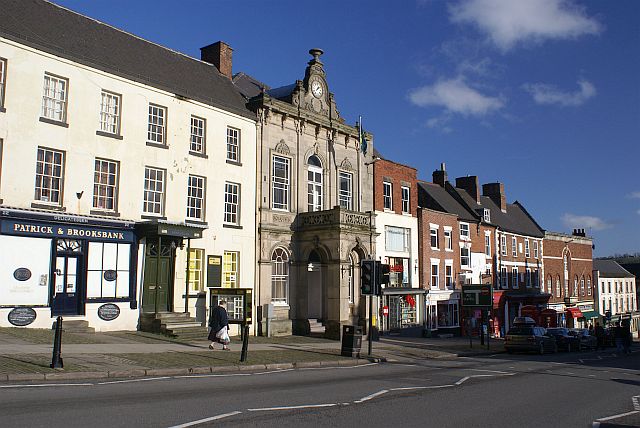
The town centre is centred on a cobbled market square and streets of mainly Georgian and earlier buildings. Notable features include St Oswald's Church, traditional coaching inns and access routes that lead into nearby countryside. Several long-distance trails and converted former railway lines make Ashbourne a common base for walkers and cyclists.
History
Ashbourne developed as a medieval market town and later grew as a coaching and trading stop on routes linking Derbyshire towns. Its market charter and historic buildings reflect centuries of local commerce. Over time the town became both a residential community and a gateway for visitors exploring the Peak District.
Royal Shrovetide Football
Ashbourne is internationally known for the Royal Shrovetide Football, an annual event played over two days each Shrove Tuesday and Ash Wednesday. In this traditional match, the town divides into two sides and the game is played across a wide area of streets, fields and lanes, with goals set around three miles apart. The contest, sometimes described by the local names Up'Ards and Down'Ards, blends folklore and community participation and is documented in accounts of local customs and festivals. More on the event can be found here: Royal Shrovetide Football.
Economy, tourism and community life
Local economic life combines retail, hospitality and services for residents and visitors. Tourism peaks at weekends and during events, when visitors come for walks, heritage, and the town's eateries. Community organisations, seasonal markets and heritage activities contribute to civic life and help maintain traditional crafts and festivals.
Notable facts and distinctions
- Ashbourne's long association with markets and fairs has shaped its layout and architecture.
- Its proximity to the Peak District National Park makes it an important base for outdoor recreation.
- The Royal Shrovetide Football is a distinctive cultural event tying the town to centuries-old customs.
Tags
Related articles
Author
AlegsaOnline.com Ashbourne, Derbyshire — Market Town and Shrovetide Traditions Leandro Alegsa
URL: https://en.alegsaonline.com/art/6527
Sources
- ashbourne-shrovetide-football.com : Ashbourne Shrovetide Football