
Bad Wiessee — spa town on Lake Tegernsee in Bavaria
Bad Wiessee is a Bavarian spa town on Lake Tegernsee, known for its iodine-sulfur springs, lake and mountain recreation, and its association with the 1934 purge that targeted Ernst Röhm.
Bad Wiessee is a small spa town on the western shore of Lake Tegernsee in the Bavarian Alps region of Bavaria, Germany. Built around naturally occurring iodine-sulfur springs discovered in the early 20th century, the town developed into a health resort and adopted the prefix "Bad" (spa) to reflect its therapeutic offerings.
Image gallery
6 Images


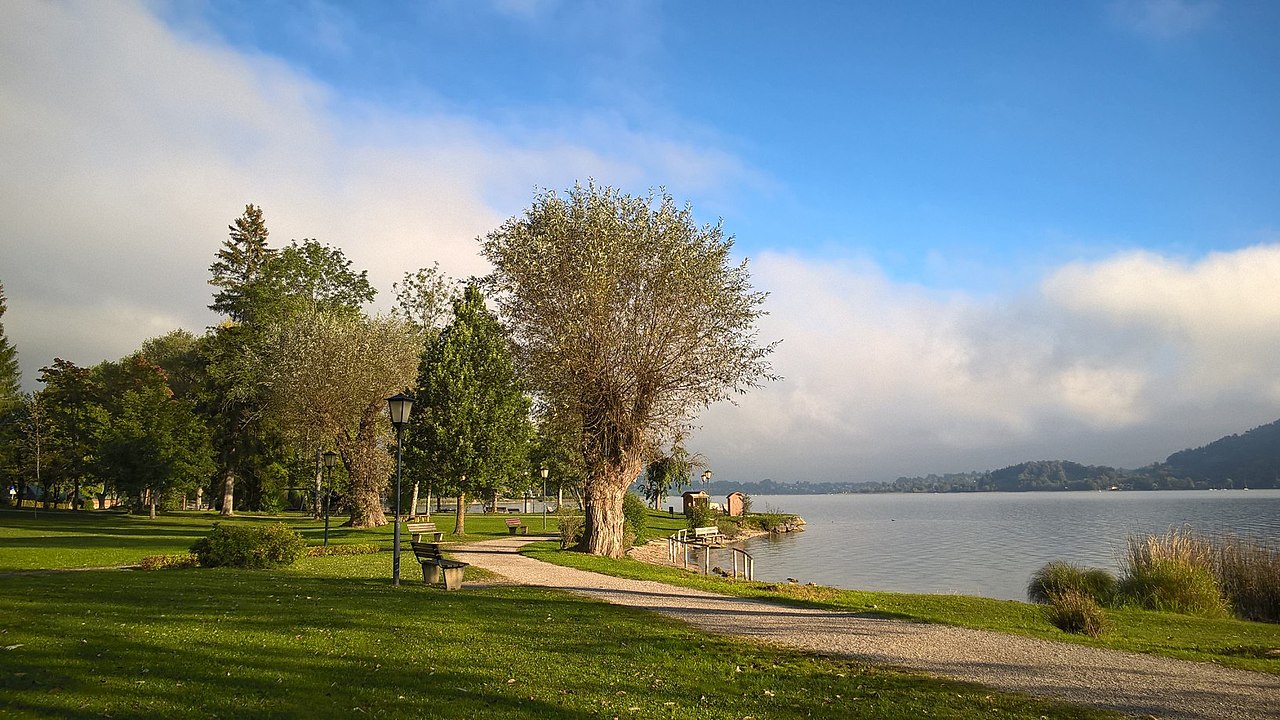
Mineral springs and spa facilities
The defining feature of Bad Wiessee is its brine and iodine-sulfur waters, used in baths, inhalation therapies and cosmetic treatments. Local spa facilities combine traditional balneotherapy with modern wellness services aimed at respiratory, dermatological and rheumatic conditions. The spa industry remains an important part of the town's economy and identity.
Recreation and attractions
Bad Wiessee is a gateway to outdoor activities around the lake and nearby mountains. Popular pursuits include:
- Boating, swimming and lakeside promenades on Lake Tegernsee
- Hiking and cycling routes that link to the alpine foothills
- Local markets, cafés and traditional Bavarian architecture
- Wellness hotels and clinics offering brine treatments
Historical note
The town is also known for its place in 20th‑century history: during the 1934 purge known as the Night of the Long Knives, SA leader Ernst Röhm was arrested at a gathering in the Bad Wiessee area and was shortly afterwards executed. The event marks a significant and controversial moment in the town's modern history.
Today Bad Wiessee combines spa tourism with quiet residential life, attracting visitors who seek both medical treatments and access to the scenic Tegernsee region. It is reachable from regional transport hubs and forms part of a broader Alpine cultural and recreational corridor in southern Bavaria.
Tags
Related articles
Author
AlegsaOnline.com Bad Wiessee — spa town on Lake Tegernsee in Bavaria Leandro Alegsa
URL: https://en.alegsaonline.com/art/8200
Sources
- destatis.de : "Alle politisch selbständigen Gemeinden mit ausgewählten Merkmalen am 31.12.2018 (4. Quartal)" · web.archive.org
- statistikdaten.bayern.de : "Fortschreibung des Bevölkerungsstandes"