
Afyonkarahisar
Afyonkarahisar is a historic city in western Turkey known for its fortress, thermal springs, marble, and regional cuisine. It sits at a crossroads between interior Anatolia and the Aegean coast.
Overview
Afyonkarahisar is a city in western Turkey that occupies a transitional zone between inland Anatolia and the Aegean region. Its name combines the Turkish words for opium (afyon) and black fortress (karahisar), a reference to the dark volcanic rock of the hilltop citadel that dominates the town. The metropolitan area had roughly 268,000 residents in 2013.
Image gallery
10 Images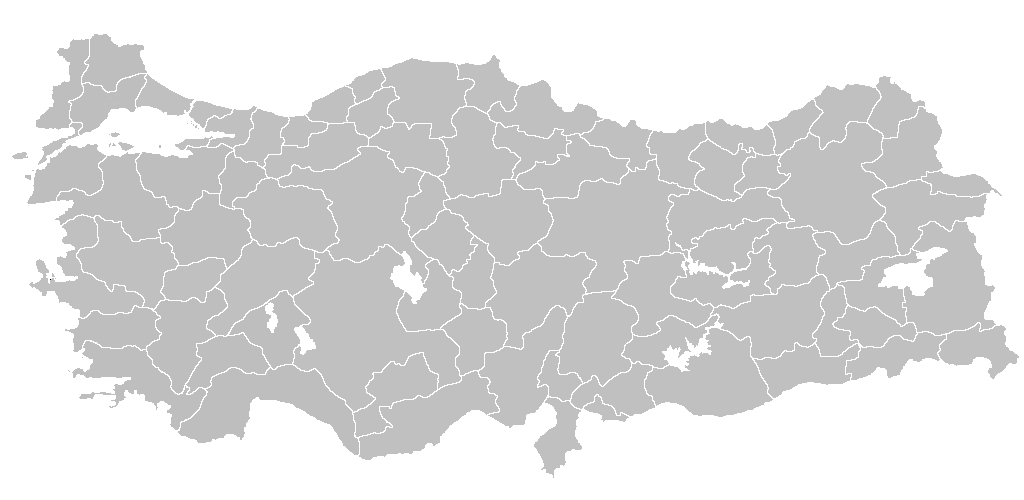






Geography and character
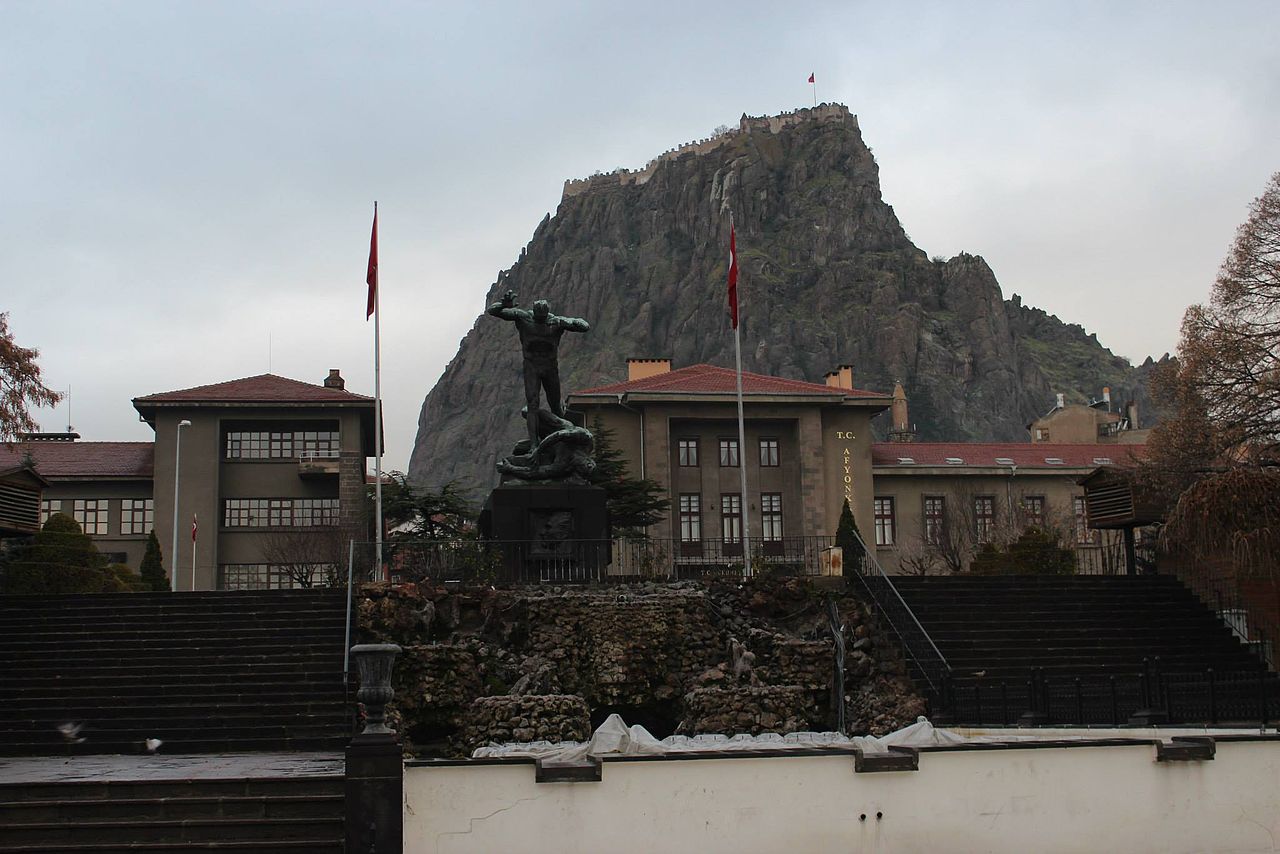
The city stands on a rocky outcrop with a historic castle overlooking a surrounding plain. The climate is continental—hot, dry summers and cold winters—while surrounding farmland supports cereals, sugar beet and poppy cultivation under state controls. Marble deposits and quarries in the province are important to the local economy.
History
Afyonkarahisar has a long recorded past with settlement in classical and medieval periods owing to its defensible position and crossroads location. The fortress has been rebuilt several times by successive powers. In modern history the city was a strategic point during the late Ottoman era and the Turkish War of Independence.
Economy and uses
Economic life combines agriculture, mining and tourism. Thermal springs attract visitors to spa hotels; marble extraction and processing are significant industries. Local food products such as sucuk (cured sausage) and kaymak (clotted cream) are regionally famous and contribute to culinary tourism.
Culture and attractions
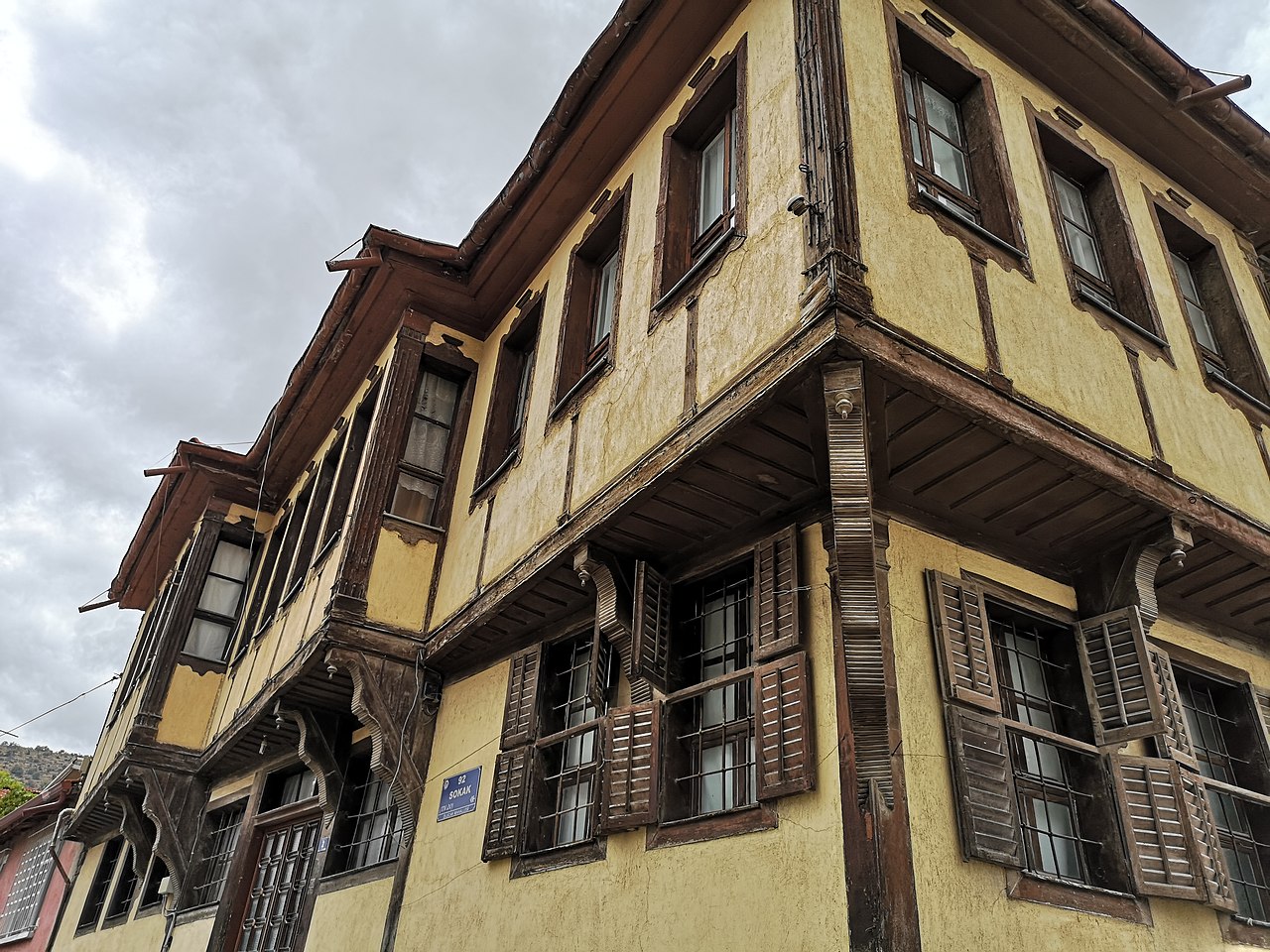
Key sights include the hilltop fortress, archaeological remains, mosques and museums that reflect the city's layered past. Markets and festivals celebrate regional crafts and cuisine. Visitors often combine a stop in the city with trips into nearby natural and historical sites.
Further information
For administrative details and practical travel information see municipal and national resources: city information and context about the country at Turkey overview.
Tags
Related articles
Author
AlegsaOnline.com Afyonkarahisar Leandro Alegsa
URL: https://en.alegsaonline.com/art/1319