
Steam devil: small whirlwinds formed in steam, smoke, or fog
A steam devil is a short-lived, small vortex that becomes visible when spinning air mixes with steam, smoke or fog. They form near warm water, industrial exhaust, hot springs, deserts, and cold-lake conditions.
Overview
A steam devil is a small, short-lived vortex made visible when rotating air entrains steam, smoke, fog or other condensing vapor. Unlike tornadoes, steam devils are typically weak, form on a local scale, and rarely exceed a few tens of metres in height. They are essentially analogous to dust devils or waterspouts but become apparent only where sufficient vapor or particulate matter makes the rotating column visible.
Image gallery
3 Images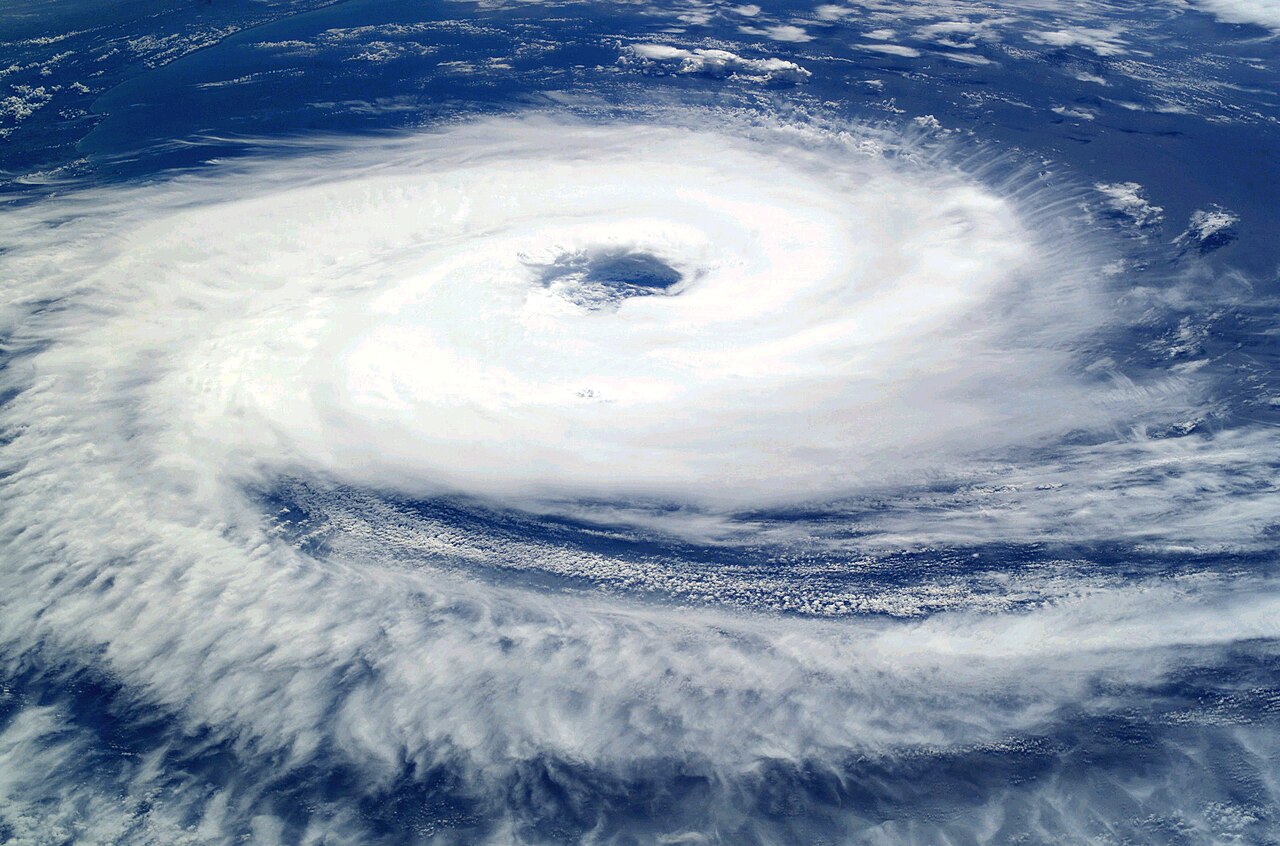


Formation and characteristics
Steam devils form where three basic ingredients coincide: a source of buoyant warm moist air, ambient cooler air above or around it, and a trigger for rotation such as low-level wind shear or surface irregularities. The warm vapor provides the visible material while the surrounding airflow supplies spin and vertical motion. Typical features include a narrow, rolling column, transient lifespan from seconds to minutes, and slow translation across the ground or water. In some cases the column may lift droplets that condense into a funnel shape; in others the vortex is visible only as a spiral of smoke or mist.
Typical places and examples
Common locations for steam devils include areas with concentrated steam or smoke emissions such as power-plant cooling towers and industrial outflows, where dense plumes interact with ambient air; geothermal sites and hot springs, which generate persistent vapour; and bodies of water where cold air moves over warmer surface water such as the Great Lakes during intense cold snaps. They have also been observed in arid regions where hot ground and localized convection occur, as in some deserts. The visible column can be comprised of steam, smoke or condensed fog depending on the source.
History and scientific interest
Steam devils have been noted wherever large plumes of vapour meet variable winds; early reports often came from industrial sites and hot springs. They attract attention from atmospheric scientists because they illustrate small-scale vortex dynamics, boundary-layer processes, and how phase changes (vapor to liquid) affect visibility of motions that would otherwise be invisible. Photographers and storm observers commonly document them for their distinctive, ephemeral appearance.
Distinctions, effects and safety
Although visually similar to other vortices, steam devils differ from tornadoes and stronger vortices by scale, duration and formation mechanism: they are not associated with organized thunderstorms and lack the destructive winds of tornadoes. Most are harmless, but ones formed in industrial settings can lift hot droplets or carry particulate matter, so prudence is wise near power stations or venting stacks. For further general information and illustrative examples see resources linked here: steam, smoke, deserts, hot springs, Great Lakes.
Related articles
Author
AlegsaOnline.com Steam devil: small whirlwinds formed in steam, smoke, or fog Leandro Alegsa
URL: https://en.alegsaonline.com/art/93609