
Hot spring (geothermal spring)
A hot spring is groundwater warmed by the Earth's internal heat that reaches the surface. Hot springs vary in temperature, chemistry, ecology and cultural importance and are used for bathing and energy.
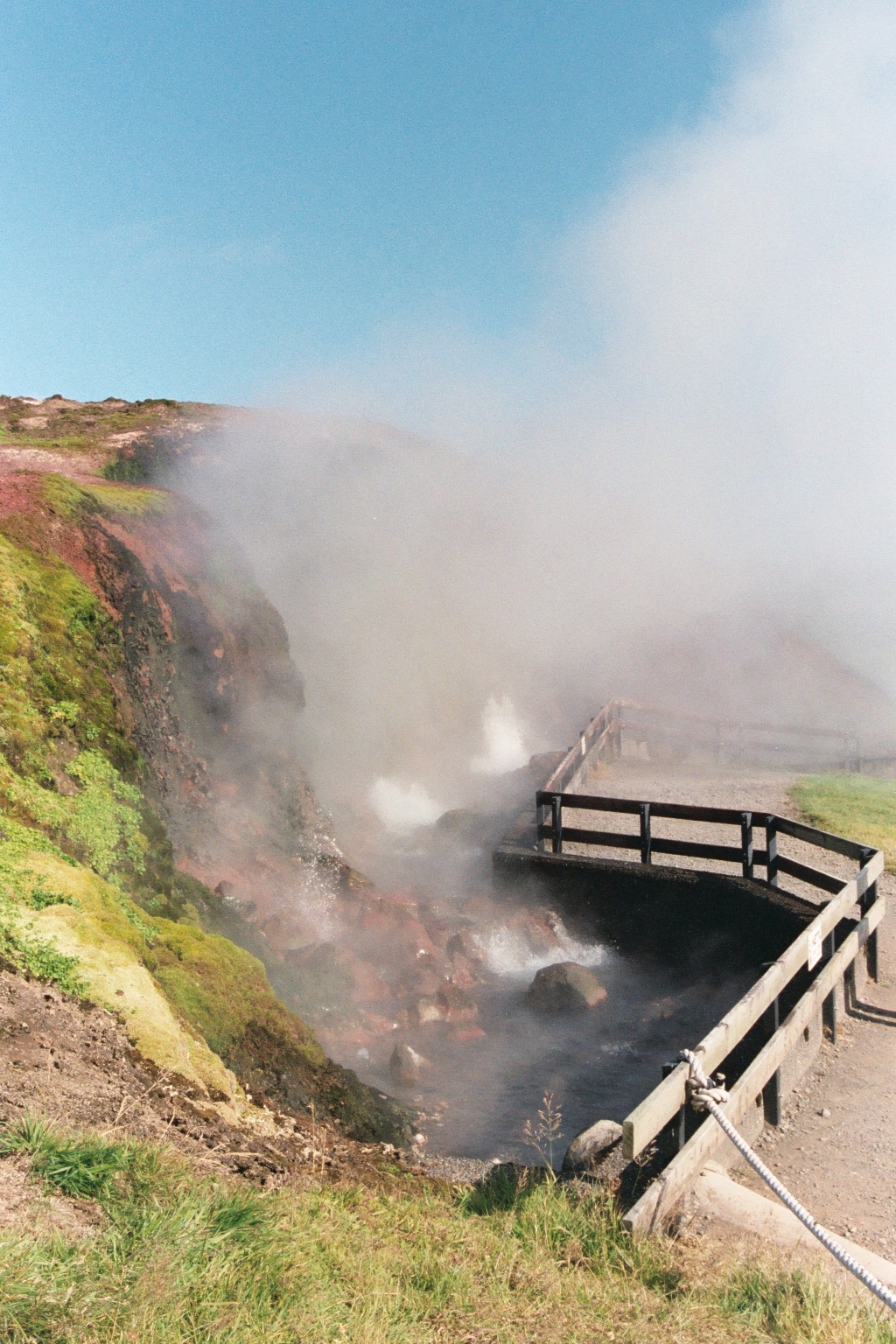
A hot spring is a natural discharge of groundwater that has been warmed by heat from beneath the Earth's crust. Water circulating through deep rock picks up thermal energy from magma bodies, hot rock, or the normal geothermal gradient and returns to the surface as a warm or boiling spring. These features appear in volcanic and non‑volcanic regions and are often associated with tectonic activity and elevated heat flow.
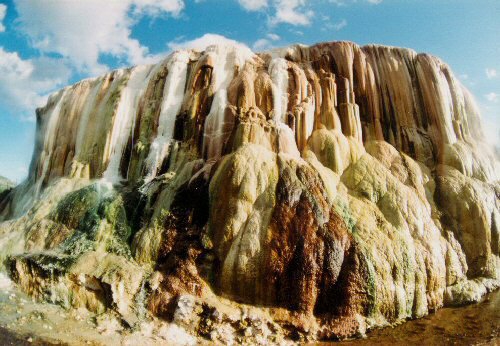
Formation and characteristics: Heat driving a hot spring comes from several sources and the rising water may dissolve minerals en route. The result can be clear or brightly colored pools, mineral deposits such as silica or carbonate, and layered terraces. The physical appearance and chemistry depend on temperature, host rock, and the presence of gases.
Image gallery
10 Images


Types and distinctions
- Hot springs: pools or flows of geothermally heated groundwater.
- Geysers: intermittent springs that erupt steam and water when pressure builds.
- Fumaroles and steam vents: emissions dominated by gases rather than liquid water.
For definitions and technical terms see spring, geothermal concepts and the behavior of groundwater. They are frequently found in mountain and volcanic landscapes.
Uses and cultural importance: Hot springs have been used for bathing, therapeutic ‘‘balneotherapy,’’ and social rituals for millennia. Modern uses include spa tourism and direct use for district heating and agriculture; in some cases geothermal resources also support electricity generation.
Ecology and research: Thermal springs host specialized microbial communities adapted to high temperatures. These thermophiles are important to ecology and have contributed enzymes and biological insights used in molecular biology and research into early life.
Hazards and conservation: High temperatures, unstable ground, and toxic volcanic gases can make springs dangerous. Many popular sites are managed to protect visitors and fragile thermal ecosystems while balancing tourism and conservation.
Related articles
Author
AlegsaOnline.com Hot spring (geothermal spring) Leandro Alegsa
URL: https://en.alegsaonline.com/art/45233
Sources
- encarta.msn.com : "MSN Encarta definition of hot spring" · webcitation.org
- m-w.com : Miriam-Webster Online dictionary definition of hot spring
- wordsmyth.net : Wordsmyth definition of hot spring
- bartleby.com : American Heritage dictionary, fourth edition (2000) definition of hot spring
- infoplease.com : Infoplease definition of hot spring
- dictionary.reference.com : Random House Unabridged Dictionary, © Random House, Inc. 2006. definition of hot spring
- pubs.nrc-cnrc.gc.ca : "What is a hot spring?"
- doi.org : 10.1139/e03-083
- ultralingua.com : Ultralingua Online Dictionary definition of hot spring
- rhymezone.com : Rhymezone definition of hot spring
- lookwayup.com : Lookwayup definition of hot spring