
Staphylococcal infection
Infection caused by Staphylococcus bacteria, ranging from minor skin disease to severe invasive and toxin-mediated illnesses; includes issues of diagnosis, treatment, prevention, and antibiotic resistance.
Overview: A staphylococcal infection, commonly called a staph infection, is any illness produced by bacteria of the genus Staphylococcus. These organisms are Gram‑positive cocci that often occur in grape‑like clusters and may live harmlessly on skin and mucous membranes but can cause disease when they breach natural barriers. The term covers localized skin problems, invasive bloodstream and bone infections, and illnesses caused by preformed toxins.
Image gallery
6 Images




Characteristics and common species
Staphylococci are catalase‑positive organisms; some species are coagulase‑positive (notably S. aureus) while others are coagulase‑negative (e.g., S. epidermidis). Identification uses microscopy, culture and biochemical tests. Colonization of the nose and skin is common; carriage increases the chance of subsequent infection when wounds, catheters or weakened immunity are present.
Clinical syndromes
Clinical presentations vary by site and by whether disease is driven by bacterial invasion or by toxins produced by the organism. Typical problems include:
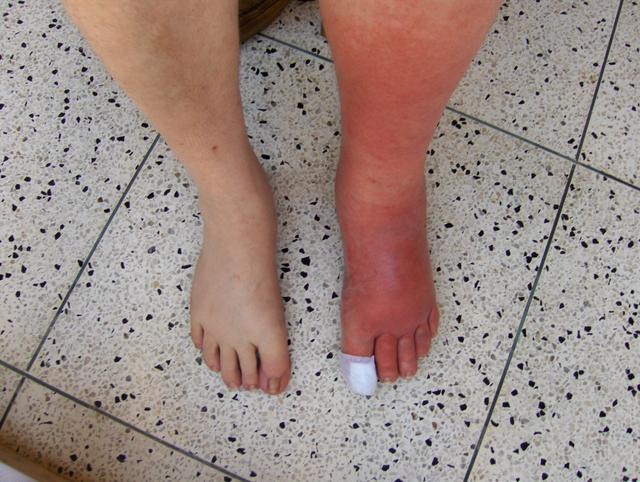
- Skin and soft tissue infections: impetigo, boils (furuncles), abscesses and cellulitis.
- Invasive infections: bloodstream infection (bacteremia), endocarditis, osteomyelitis and pneumonia.
- Toxin-mediated illnesses: staphylococcal food poisoning, toxic shock syndrome and scalded skin syndrome in infants.
Diagnosis and management
Diagnosis relies on clinical assessment plus laboratory isolation of the organism from pus, blood or other sterile sites; molecular tests and rapid assays are also used. Treatment depends on the site and severity: draining abscesses is often as important as antimicrobial therapy. Choice of antibiotic is guided by susceptibility testing because resistant strains, including methicillin‑resistant Staphylococcus aureus (MRSA), are common. Supportive care and management of complications are central to recovery.
History, resistance and public health
Staphylococci were recognized as human pathogens in the late 19th and early 20th centuries. Widespread use of antibiotics led to the emergence of resistant strains; MRSA has become an important cause of both hospital‑associated and community‑acquired infections. Infection control measures in healthcare and prudent antibiotic use are key strategies to limit spread.
Prevention and notable distinctions
Prevention focuses on hand hygiene, wound care, careful management of indwelling devices and targeted decolonization in selected settings. It is helpful to distinguish staphylococcal infections from other bacterial infections (for example streptococcal) by laboratory tests and clinical features. For further general information see organism profiles and clinical guidelines referenced at sources such as laboratory manuals.
For additional background on foodborne and toxin-mediated forms, consult pathogen and public‑health resources that explain recognition, reporting and outbreak control.
Related articles
Author
AlegsaOnline.com Staphylococcal infection Leandro Alegsa
URL: https://en.alegsaonline.com/art/93410