
Status epilepticus: prolonged seizures and emergency management
Status epilepticus is a medical emergency of prolonged or repeated seizures without recovery. Overview, types, causes, diagnosis, immediate treatment, complications, and prevention explained.
Status epilepticus is a life‑threatening condition in which epileptic seizures last for an abnormally long time or recur without a return to baseline between events. Modern clinical guidance commonly treats seizures lasting five minutes or more as status because rapid treatment reduces risk. Historically, a 30‑minute definition was used, but clinicians now act earlier to prevent brain and systemic injury.
Image gallery
2 Images
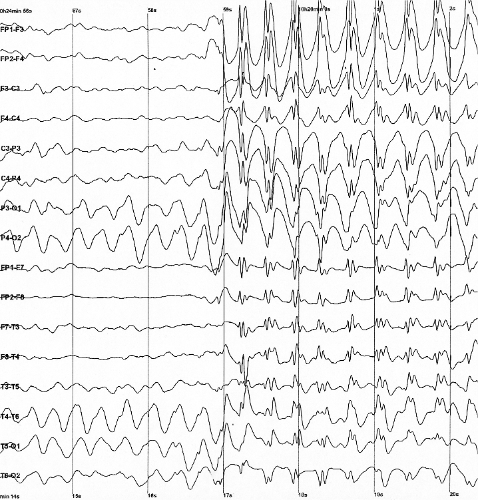
Types and typical features
There are two broad patterns: convulsive status epilepticus, with sustained motor activity and impaired consciousness, and nonconvulsive status epilepticus, which may cause subtle confusion, drowsiness, or altered behavior and requires electroencephalographic confirmation. Common features include continuous shaking, unresponsiveness, altered awareness, irregular breathing, and potential autonomic instability.
Causes and risk factors
- Acute brain injury (stroke, trauma, infection)
- Sudden withdrawal of antiseizure medications
- Metabolic disturbances or systemic illness
- Known epilepsy with poor control
When encountering a person in prolonged seizure, emergency responders focus on airway, breathing and circulation while rapidly distinguishing seizure from other causes of unresponsiveness. For background on emergency response, see emergency guidance, and for how seizures affect brain function consult brain function resources. General information about seizures is available at seizure information.
Diagnosis and management
Diagnosis is clinical but often confirmed with electroencephalography (EEG) and laboratory tests to identify reversible causes. Initial management follows resuscitation principles and rapid administration of benzodiazepines as first‑line medication. If seizures continue, second‑line antiseizure drugs (such as phenytoin, valproate, or levetiracetam) are used. Refractory cases may require continuous anesthetic agents and intensive care monitoring.
Prognosis depends on underlying cause, seizure duration, and promptness of therapy. Longer untreated seizures carry higher risks of permanent neurological damage, systemic complications, and mortality. Prevention focuses on appropriate epilepsy care, medication adherence, and prompt treatment of triggering illnesses.
Related articles
Author
AlegsaOnline.com Status epilepticus: prolonged seizures and emergency management Leandro Alegsa
URL: https://en.alegsaonline.com/art/93572
Sources
- epilepsy.com : "Status epilepticus"
- doi.org : 10.4103/0022-3859.81807
- pubmed.ncbi.nlm.nih.gov : 21941070
- mayoclinic.org : "Epilepsy: Symptoms and Causes"
- doi.org : 10.1111/j.1528-1167.2012.03622.x
- pubmed.ncbi.nlm.nih.gov : 22946730
- ncbi.nlm.nih.gov : "Status epilepticus: Risk factors and complications"
- pubmed.ncbi.nlm.nih.gov : 19605972
- floridahospital.com : "Status Epilepticus: Causes"