
Food poisoning: causes, symptoms, prevention and distinctions
An accessible overview of food poisoning: what it is, how infectious and toxic forms differ, common agents, symptoms, prevention steps, and why outbreaks occur.
Overview
Food poisoning is illness that results from consuming contaminated, spoiled, or toxic food or drink. Symptoms most often affect the gastrointestinal tract, producing nausea, vomiting, abdominal pain and diarrhea, and sometimes fever or neurological signs. Severity ranges from mild, self-limited discomfort to life‑threatening disease in vulnerable people such as infants, older adults, pregnant women and the immunocompromised.
Image gallery
6 Images

How it occurs: infection versus intoxication
Broadly, two mechanisms cause foodborne illness. In food infection, live microorganisms in the food—bacteria, viruses, or parasites—colonize or invade the body after ingestion and produce illness. In food intoxication, harmful chemicals or microbial toxins already present in the food cause symptoms even if the producing organism is no longer alive. A short guide to these forms is available at toxic vs infectious forms.
Common agents and examples
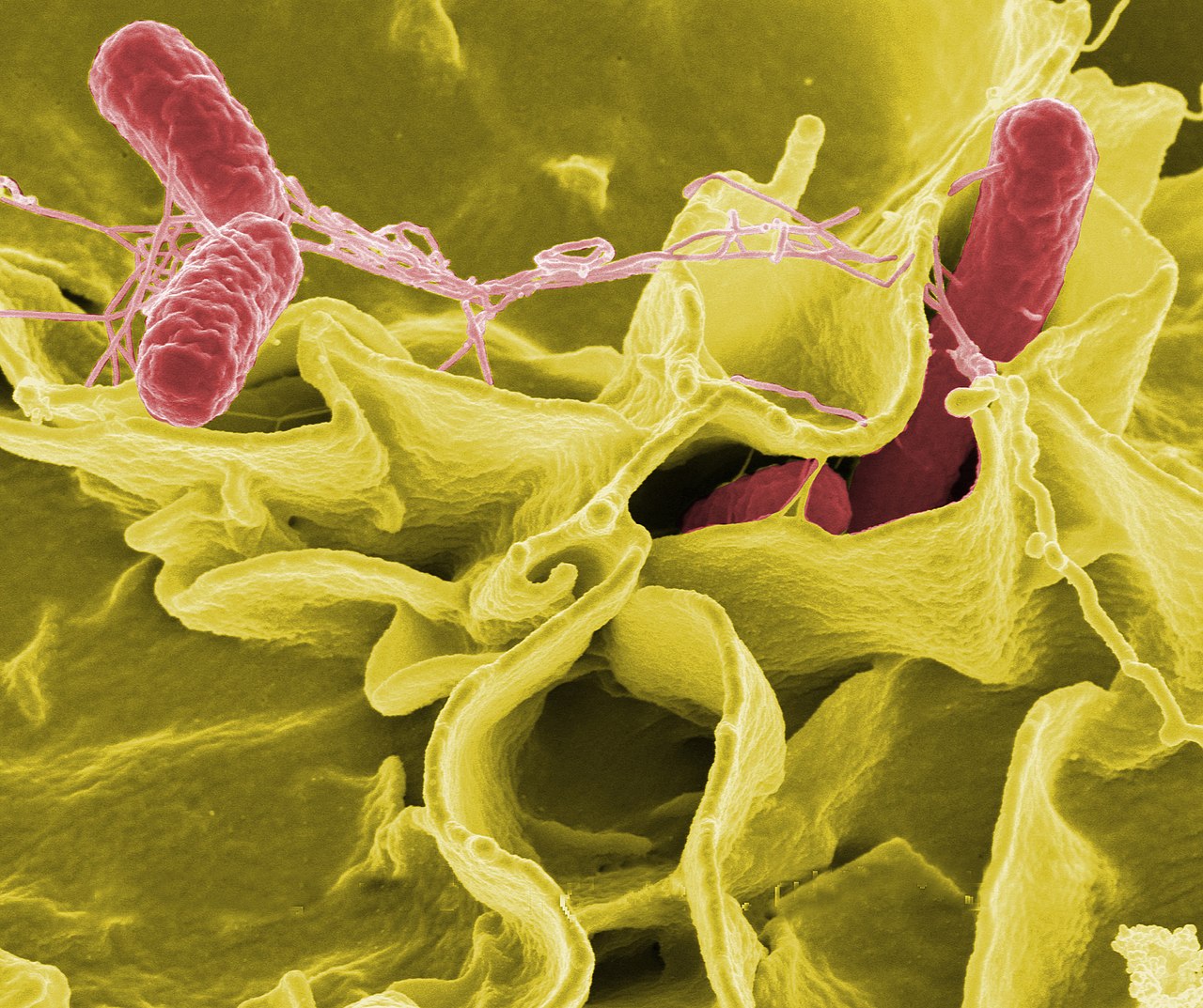
Several groups of organisms and substances are frequently implicated. Bacterial causes include species such as Salmonella, Campylobacter, Escherichia coli and Listeria; see general information on bacteria at bacterial causes. Viral agents, notably norovirus and hepatitis A, are common sources of outbreaks—more on viruses at viral causes. Parasites such as Giardia and Toxoplasma can contaminate food or water; background on parasitic contamination is at parasites and food. Rarely, abnormal proteins called prions can cause severe brain disease linked to contaminated meat—basic notes are at prion‑related illness. Some cases result from toxins: examples include botulinum toxin, aflatoxins from mould, or staphylococcal enterotoxins; see toxins at toxic agents.
Symptoms, diagnosis and course
Typical symptoms appear from hours to days after exposure depending on the cause. Sudden vomiting with rapid onset is characteristic of some toxins, while bacterial infections may produce fever, bloody diarrhea or longer incubation periods. Diagnosis relies on clinical history, timing of symptoms, and sometimes laboratory testing of stool, blood or suspected food. Guidance on how infection develops and is identified is at infection and detection.
Prevention and management
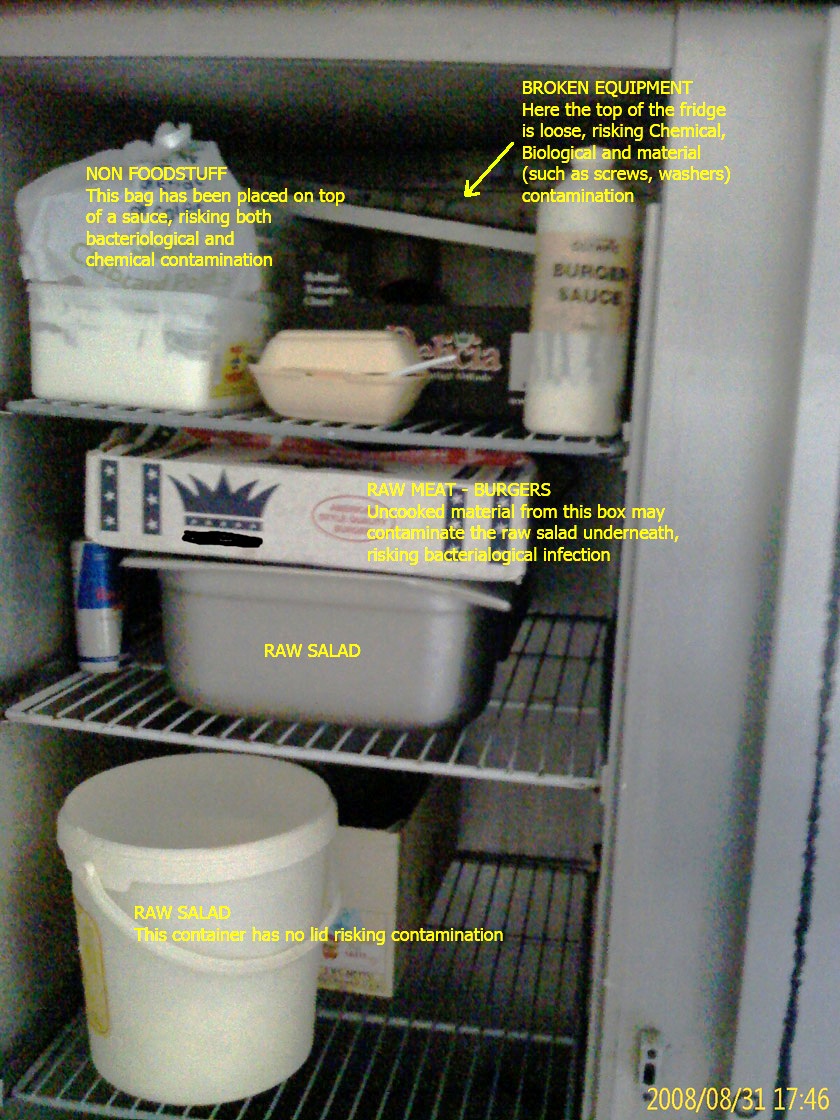
- Practice thorough handwashing and good kitchen hygiene to avoid cross‑contamination.
- Cook foods to safe temperatures and refrigerate perishables promptly.
- Use safe water and avoid high‑risk foods for susceptible groups (unpasteurized dairy, undercooked meats, raw shellfish).
- When ill, stay hydrated; seek medical care for severe symptoms, high fever, persistent vomiting, or signs of dehydration.
Impact, history and notable facts
Foodborne illness is a major public health concern worldwide. Outbreak investigations have guided improvements in food production, storage, and inspection practices. While most cases are self‑limited, periodic outbreaks have prompted regulatory change and consumer guidance. Distinguishing infection from intoxication helps clinicians predict onset and guide public health responses. For more authoritative prevention and reporting advice, consult local health agencies and food safety resources provided by public health authorities.
Questions and answers
Q: What is food poisoning?
A: Food poisoning is a condition that occurs when someone gets sick from eating food or drink that is contaminated or has gone bad.
Q: How many types of food poisoning are there?
A: There are two types of food poisoning: poisoning by toxic agent and poisoning by infectious agent.
Q: What is food infection?
A: Food infection is when the food contains bacteria or other microbes which infect the body after it is eaten.
Q: What is food intoxication?
A: Food intoxication is when the food contains toxins, including bacterially produced exotoxins, which can happen even when the microbe that produced the toxin is no longer present or able to cause infection.
Q: What causes food poisoning?
A: Food poisoning is commonly caused by a variety of pathogenic bacteria, viruses, prions or parasites that contaminate food, rather than chemical or natural toxins which are what we usually call poison.
Q: How many people in the United States become ill from the food they eat each year?
A: According to the Centers for Disease Control and Prevention, about 76 million people in the United States become ill from the food they eat each year.
Q: How many people die each year due to food poisoning in the United States?
A: About 5,000 people die each year due to food poisoning in the United States.
Related articles
Author
AlegsaOnline.com Food poisoning: causes, symptoms, prevention and distinctions Leandro Alegsa
URL: https://en.alegsaonline.com/art/35470
Sources
- mercksource.com : food poisoning
- cdc.gov : "Disease Listing, Foodborne Illness, General Information | CDC Bacterial, Mycotic Diseases"
- well.blogs.nytimes.com : "Ten Common Food Poisoning Risks - Well Blog - NYTimes.com"