
St Helens, Merseyside: history, industry and civic overview
An overview of St Helens in Merseyside, England: its growth during the Industrial Revolution, key industries such as glass and coal, civic structure, cultural life and contemporary economy.
St Helens is a large market and industrial town in Merseyside, England, and the administrative centre of the Metropolitan Borough of St Helens. Historically a centre of heavy industry, the town and surrounding communities expanded rapidly during the 18th and 19th centuries. Official figures from the 2001 census recorded a town population of about 102,629 and a borough population of 176,843; later counts show continuing demographic change but those figures provide a useful historical snapshot (2001 census).
Image gallery
10 Images




Overview and character
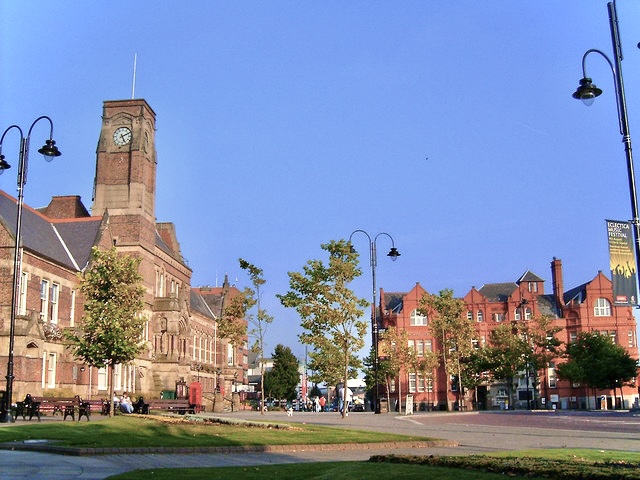
Located between Liverpool and Manchester, St Helens grew from a network of villages into an urban centre that combined mining, manufacturing and transport functions. The town retains a mix of Victorian and later urban fabric, public parks, shopping areas and cultural venues. It is known locally for a strong sporting identity, including rugby league traditions, and for civic projects that have re-used former industrial sites for museums and leisure.
Historic industries
The town’s rapid growth is closely tied to the Industrial Revolution. Key commercial activities included:
- Coal mining — numerous pits and collieries supported local energy needs and regional industry.
- Glassmaking — St Helens developed a notable glass sector and became associated with companies that supplied flat glass and other products.
- Textiles — local production of cotton and linen, including specialised work such as sail cloth and related trades.
- Chemical and mineral processing — production sites for lime and alkali contributed to building, tanning and other sectors.
- Brewing and allied food-and-drink enterprises served local and regional markets.
Economy and modern developments
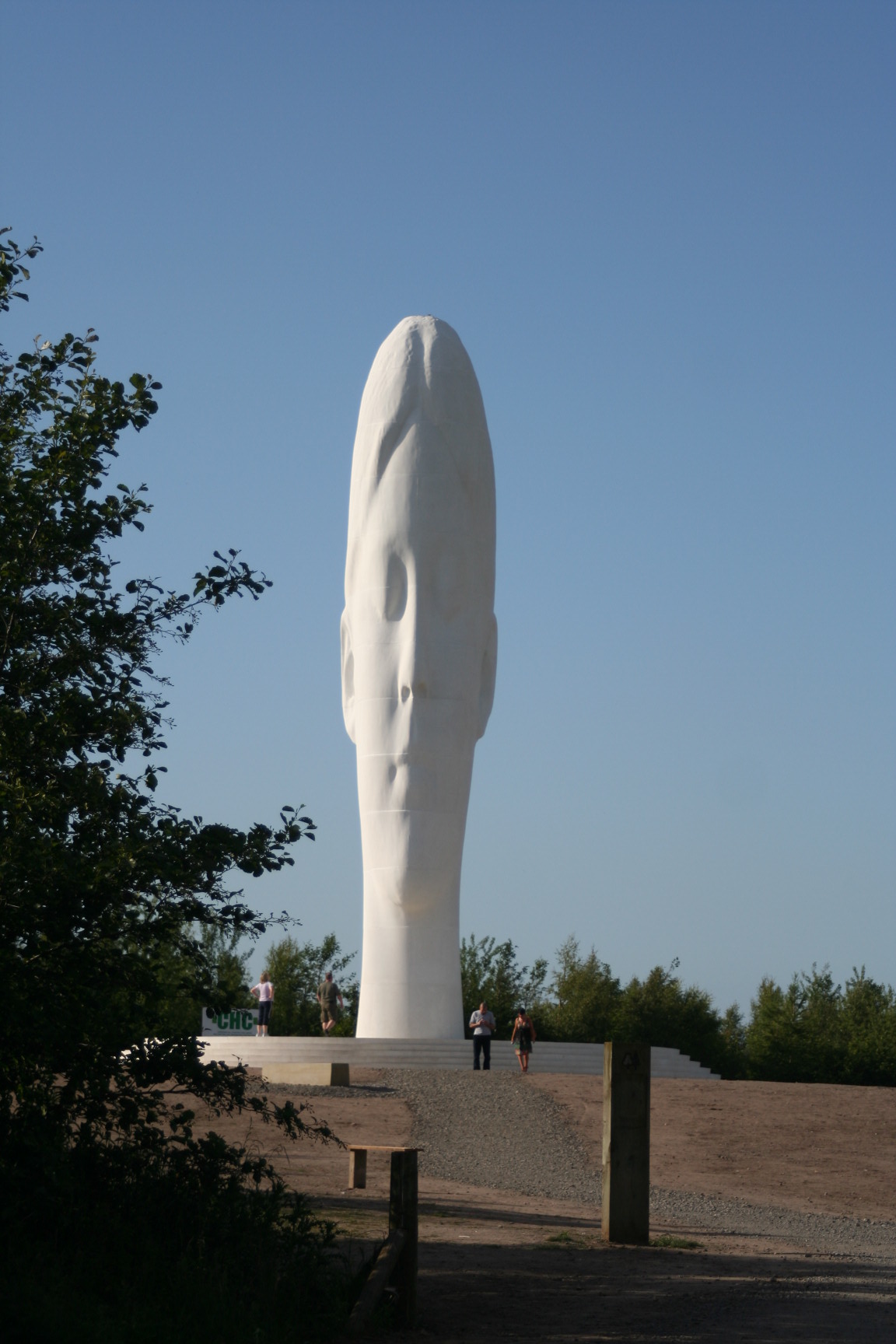
Many traditional industries declined in the 20th century, but a number of businesses adapted or survived. Glass manufacturing remains an important local employer, and the town has attracted light manufacturing, distribution and service-sector firms. Regeneration projects have converted former industrial sites into museums, business parks and cultural spaces — for example, institutions that record the area’s glassmaking heritage and industrial archaeology.
Culture, sport and civic life
St Helens maintains a civic identity shaped by community organisations, sporting clubs and cultural venues. Rugby league has a high profile in local life, and community festivals, parks and museums contribute to the town’s public profile. Educational institutions, libraries and leisure facilities provide services to the borough’s residents.
Health, environment and notable issues
Like many post-industrial towns, St Helens has faced public-health and economic challenges during periods of industrial change. Some reports have drawn attention to higher-than-average rates of mental-health problems and suicide in particular localities at specific times; public-health authorities and community groups have since worked to improve mental-health support and prevention. Environmental remediation of former industrial land and efforts to diversify the local economy are ongoing priorities for council planners and civic organisations.
For further information about local government, history and services, see borough resources and local museums that document St Helens’s industrial past and civic development. Many online and local archives maintain records of the town’s changing population, industries and built environment, and provide starting points for research into family history, employment and urban change.
Selected links: Merseyside overview, Metropolitan Borough, census data, Industrial Revolution context, coal mining, glassmaking, cotton industry, linen production, sailmaking history, lime works, alkali manufacture, brewing.
Related articles
Author
AlegsaOnline.com St Helens, Merseyside: history, industry and civic overview Leandro Alegsa
URL: https://en.alegsaonline.com/art/93164
Sources
- sthelenschoralsociety.org : "Origin of St. Helens"