
St James's Park, London
Historic central London park beside Buckingham Palace. A 23-hectare green space with a lake, islands, long history, diverse birdlife (including pelicans), ceremonial views and more than five million annual visitors.
Overview
St James's Park is a central London green space in the City of Westminster, occupying about 23 hectares (57 acres) beside royal landmarks. Managed as part of The Royal Parks, it lies between Buckingham Palace and The Mall and is bordered by Green Park, Horse Guards Parade and Birdcage Walk. The park is open daily and attracts more than five million visitors a year, offering both city-scale vistas and quiet, planted areas.
Image gallery
9 Images


Layout and principal features
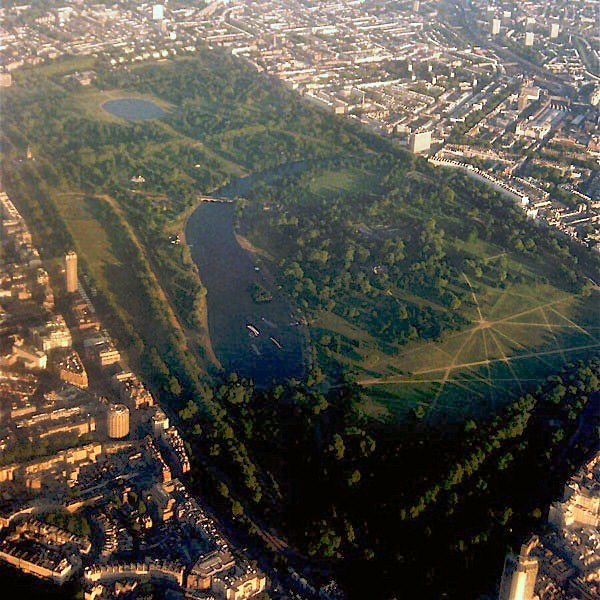
The park is built around St James's Park Lake, which contains two islands known as West Island and Duck Island. A well-known viewpoint, the Blue Bridge, gives panoramic views across the water toward Buckingham Palace and the Victoria Memorial. Paths, lawns and flowerbeds link a number of important civic and ceremonial sites.
- Lake and islands: a central water body with a duck reserve on Duck Island.
- Bridges and viewpoints: popular spots for photography and public gatherings.
- Surrounding monuments: Victoria Memorial, Horse Guards and nearby palaces.
History and development
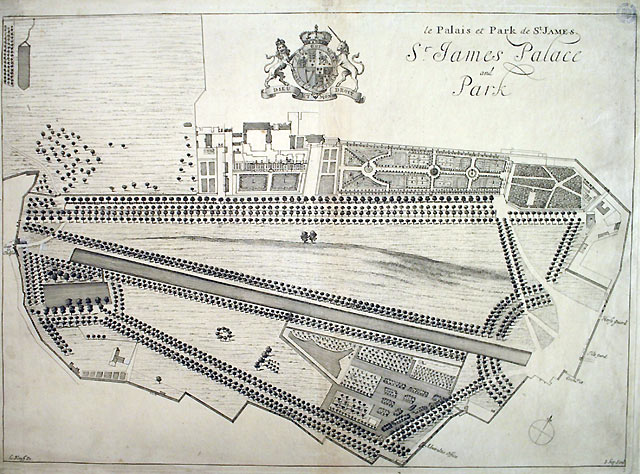
The grounds around St James's Park have evolved over several centuries. The area was reshaped after the royal court moved nearby in the Tudor and Stuart periods; landscaping work in the 17th century created formal avenues and the present lake. Over time the park has been adapted for public use while retaining links to the adjacent royal precincts and state ceremonies.
Wildlife, gardens and conservation
St James's Park is noted for its birdlife and ornamental planting. A long-standing tradition is the keeping of pelicans, introduced after a 17th-century diplomatic gift; pelicans and other waterfowl are frequently seen on the lake. Duck Island functions as a managed refuge for nesting birds, and seasonal bedding schemes provide colourful displays in the warmer months.
Uses, events and visiting
The park forms part of routes for royal processions and public ceremonies, offering controlled public access alongside formal state activity. It is used daily by commuters, tourists and local residents for walking, relaxation and photography. Facilities are simple—paths, seating and seasonal refreshment kiosks—and visitors can follow signed routes to nearby attractions such as Buckingham Palace, the City of Westminster and wider central London.
As one of the capital's oldest managed parks, St James's Park combines historical associations, designed landscapes and urban wildlife habitat. It remains a focal point for both everyday recreation and state occasions, cared for with a balance of public access and conservation priorities.
Questions and answers
Q: What is St James's Park?
A: St James's Park is one of the oldest parks in the City of Westminster in London, which is 23 hectares large and is surrounded by buildings including two palaces.
Q: What are the palaces surrounding St James's Park?
A: The palaces surrounding St James's Park are Buckingham Palace and Green Park.
Q: What are the other attractions of St James's Park?
A: The other attractions of St James's Park are Queen's Gardens, the Victoria Memorial, Horse Guards, and Birdcage Walk.
Q: What is the size of St James's Park?
A: St James's Park covers an area of 23 hectares or 57 acres.
Q: How often does St James's Park open?
A: St James's Park opens every day and welcomes more than five million visitors per year.
Q: What is the name of the lake in St James's Park?
A: The name of the lake in St James's Park is St James's Park Lake.
Q: What are the two islands in St James's Park Lake?
A: The two islands in St James's Park Lake are West Island and Duck Island which is a duck reserve.
Related articles
Author
AlegsaOnline.com St James's Park, London Leandro Alegsa
URL: https://en.alegsaonline.com/art/93170
Sources
- royalparks.org.uk : "St James's Park"
- royalparks.org.uk : "Map of St James's Park"