
Brewing: the production and science of beer
Brewing is the controlled process that turns grain, water, hops and yeast into beer. This article outlines ingredients, step-by-step production, historical context, common uses and key distinctions.
Brewing is the practiced craft and industrial process of making beer. It can range from small-scale homebrewing to large commercial production in a brewery. At its core brewing converts grain-derived starches and added sugars into fermentable sugars, then into alcohol and carbon dioxide by the action of yeast. The result is a wide variety of beer styles that differ in flavor, color, strength and aroma.
Image gallery
10 Images
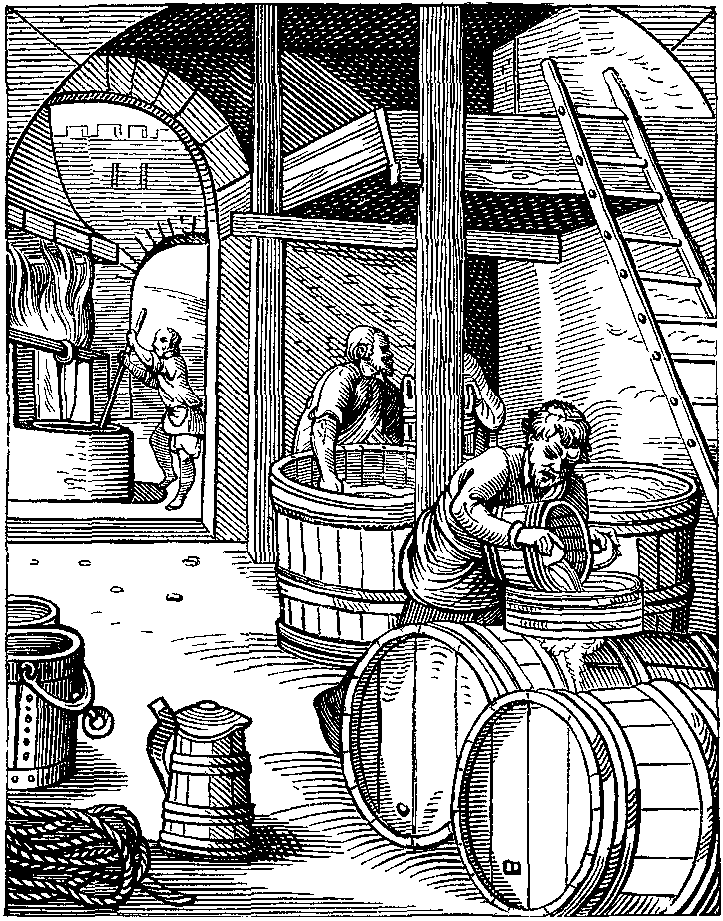


Primary ingredients and their roles
Standard beer recipes rely on four main inputs: water, a source of fermentable material, a bittering/ aromatic agent and yeast. Typical ingredient examples include:
- Malted grain: usually barley; the malting process develops enzymes that release sugars from starches. Malt influences color, body and maltiness—commonly referred to as malt or base grain.
- Cereal grains and adjuncts: including barley varieties and sometimes other cereals; brewers may add adjuncts such as corn, rice or additional sugar to alter fermentability and flavor.
- Hops: plant cones that lend bitterness to balance sweetness, and provide aroma and preservative qualities.
- Yeast: microorganisms that carry out fermentation, converting sugars into ethanol and carbon dioxide and producing flavor compounds.
Typical brewing process
The sequence of brewing steps is consistent across scales, though equipment varies. Key stages include:
- Malting (grain preparation) and milling to expose starches.
- Mashing: mixing milled grain with water to extract fermentable sugars.
- Lautering and sparging to separate wort (sugar-rich liquid) from spent grain.
- Boiling the wort with hops for flavor and sterilization, then cooling.
- Fermentation: pitching yeast and allowing sugars to convert into alcohol; modern practice supplies oxygen only briefly at the start to support yeast growth, then proceeds anaerobically.
- Conditioning, clarification and packaging (keg, bottle, can).
Fermentation style and yeast strain distinguish major categories, such as ales (top-fermenting yeasts at warmer temperatures) and lagers (bottom-fermenting yeasts at cooler temperatures). Alcohol content, sweetness and carbonation depend on the original sugar content and fermentation completeness.
History, uses and notable distinctions
Brewing is one of humanity's oldest biotechnologies: fermented grain beverages have appeared in many ancient cultures and later developed into monastic, commercial and modern craft traditions. Today brewing is both a global industry and a widespread hobby; craft breweries experiment with local ingredients and novel techniques while large producers focus on consistency and scale. Distinct from distillation, which concentrates alcohol by evaporation, brewing produces the fermented beverage directly and is governed by food-safety regulations and, in many places, specific licensing.
Understanding brewing connects chemistry, microbiology and culinary practice. Whether done at home or in an industrial brewery, the process balances raw materials, time and microbial activity to create a broad spectrum of beers enjoyed worldwide.
Related articles
Author
AlegsaOnline.com Brewing: the production and science of beer Leandro Alegsa
URL: https://en.alegsaonline.com/art/13996
Sources
- books.google.com : Brewing