
Merseyside
Merseyside is a metropolitan county in North West England centred on the River Mersey. It includes Liverpool and the Wirral, with a mix of urban centres, ports, cultural heritage and waterways.
Overview
Merseyside is a metropolitan county in North West England, taking its name from the River Mersey. It is a largely urban area built around the estuary and the city of Liverpool, with a population of roughly 1.36 million. The county formed in its modern administrative sense in 1974 and combines important port, industrial and cultural functions within a relatively compact area. Metropolitan county
Image gallery
10 Images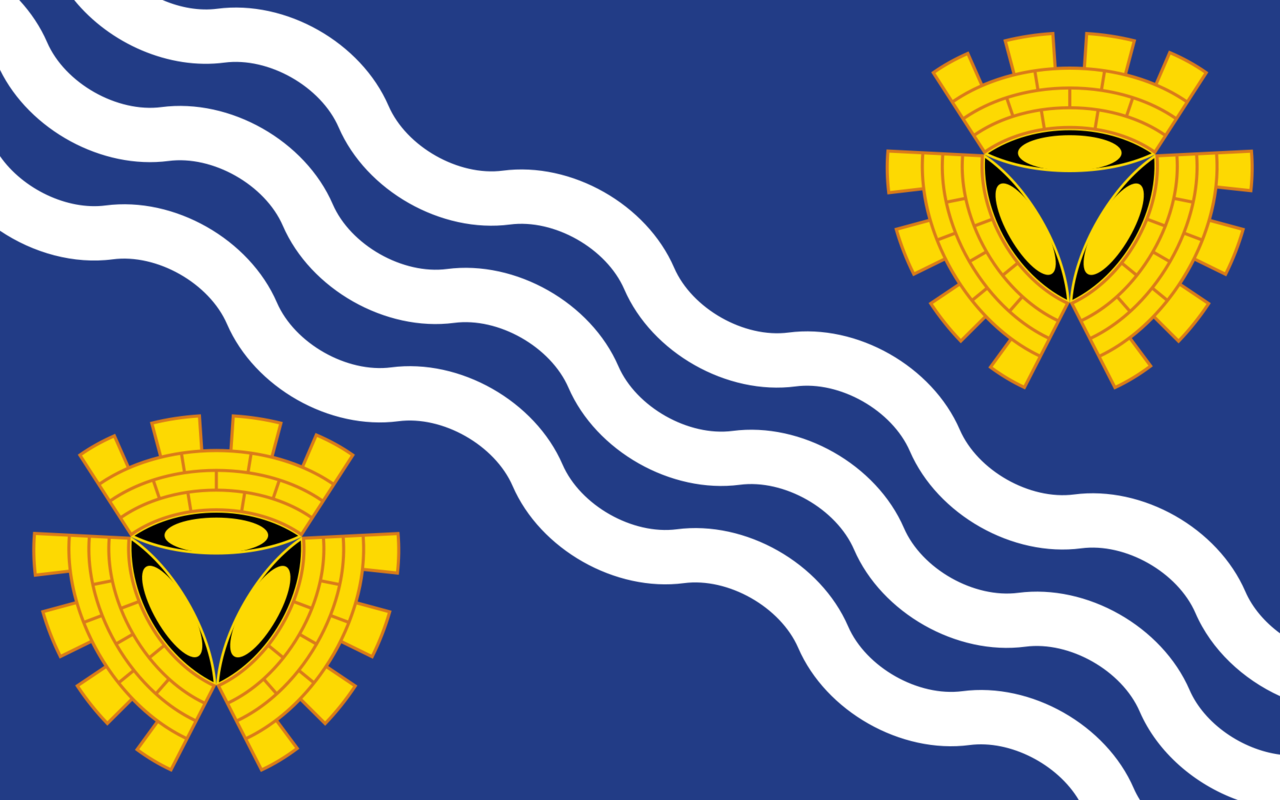


Geography and landscape
The River Mersey divides the county between its eastern and western banks. The western portion sits on the Wirral Peninsula, while the eastern side contains Liverpool and other urban boroughs. The estuary and coastal margins have shaped local development, with docks, shipyards and maritime facilities along the waterfront. Much of Merseyside is low-lying with a mixture of built-up areas, green belts and suburban corridors. River Mersey Wirral
Administrative divisions
Merseyside is composed of five metropolitan boroughs. These are:
- Liverpool — the largest city and cultural hub.
- Sefton — coastal suburbs and resort towns.
- Knowsley — residential and industrial areas.
- St Helens — historically industrial and manufacturing.
- Wirral — the peninsula with towns facing both the estuary and the Irish Sea.
The county shares land borders with Lancashire to the north and Greater Manchester to the east, and adjoins Cheshire to the south. Lancashire Greater Manchester Cheshire
History and governance
The modern entity called Merseyside was established by national local government reorganisation in 1974. The metropolitan county council that originally administered county-wide services was later abolished in 1986, and most responsibilities are now handled by the individual borough councils or by combined authorities. In recent decades, regional cooperation has been reintroduced through bodies such as the Liverpool City Region combined authority for transport, economic development and strategic planning.
Economy, transport and culture
Merseyside's economy has long been tied to maritime trade: the Port of Liverpool was a major international port for centuries and remains important for container and roll-on/roll-off traffic. Other economic sectors include manufacturing, services, retail and tourism. Transport is dominated by road and rail links that serve intra-regional commuting, including suburban rail networks and road crossings under or over the estuary. The area is widely recognised for its cultural contributions — notably music, theatre and sport — with Liverpool home to world-famous institutions and attractions.
Distinctive facts and significance
Merseyside is notable for its concentration of cultural landmarks, two internationally known football clubs based in Liverpool, and its historic role in maritime commerce and migration. The estuary and docks shaped both the economy and the identity of the county. Visitors and residents alike experience a mix of urban waterfront scenery, suburban neighbourhoods and green spaces across a compact metropolitan landscape.
Questions and answers
Q: What is Merseyside?
A: Merseyside is a metropolitan county in North West England.
Q: What is the population of Merseyside?
A: The population of Merseyside is 1,365,900.
Q: How did Merseyside get its name?
A: Merseyside got its name from the River Mersey.
Q: When did Merseyside become a metropolitan county?
A: Merseyside became a metropolitan county in 1974.
Q: How is Merseyside divided?
A: Merseyside is divided into two parts by the Mersey estuary: the Wirral is on the west side of the estuary upon the Wirral Peninsula; the rest of the county is on the east side.
Q: What counties border Merseyside?
A: The northern part of Merseyside borders onto Lancashire to the north, Greater Manchester to the east, and both parts border Cheshire to the south.
Q: Where is the Wirral located?
A: The Wirral is located on the west side of the Mersey estuary upon the Wirral Peninsula.
Related articles
Author
AlegsaOnline.com Merseyside Leandro Alegsa
URL: https://en.alegsaonline.com/art/64030