
St Davids (Tyddewi): Wales’s smallest city and pilgrimage centre
St Davids (Tyddewi) is the smallest city in the UK, a historic cathedral town in Pembrokeshire, Wales, noted for its medieval cathedral, pilgrimage heritage, coastal scenery and visitor-focused economy.
Overview
St Davids — Welsh Tyddewi — is a small cathedral city at the western tip of Wales. The settlement grew around a religious community founded in the 6th century by Saint David, the Welsh patron commemorated across the country. The Welsh name means the 'house of David' and is reflected in local etymologies. With a population recorded as about 1,841 at the 2011 census, it is widely described as the smallest city in the United Kingdom.
Image gallery
6 Images


History and foundation
St Davids developed from an early medieval monastery into a centre of pilgrimage and learning. Its importance in the Middle Ages derived from the shrine and reputed relics of Saint David, attracting pilgrims from across Britain and beyond. The town’s ecclesiastical importance is reflected in surviving medieval fabric and in later rebuilding phases.
Cathedral and architecture
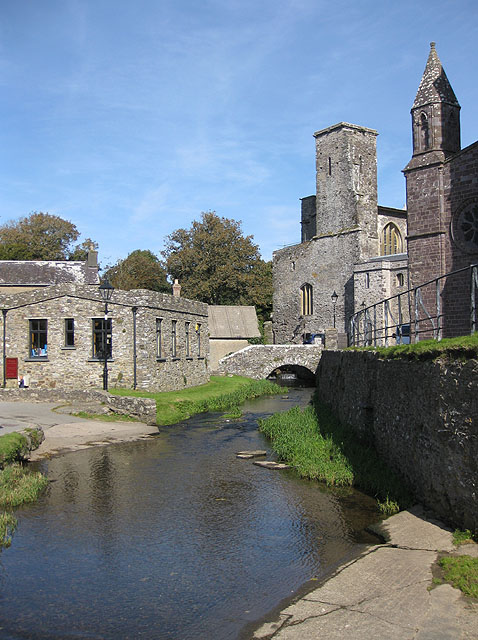
The cathedral that dominates the city was established in the medieval period and substantially rebuilt in the 12th century and later centuries. The close contains a concentration of religious and historic buildings, stonework and carved features, as well as Georgian and Victorian houses that illustrate the town’s long occupation and changing fortunes.
City status and governance
St Davids was recognised as a city in the Middle Ages but lost formal city status in 1886 before being restored in 1994 by Queen Elizabeth II. The area is administered as the community of St Davids and the Cathedral Close within Pembrokeshire, with local councils responsible for community services and conservation of historic assets.
Geography, economy and tourism
Located on the rugged Pembrokeshire coast near the mouth of the River Alun, St Davids lies within or close to the Pembrokeshire Coast National Park and offers access to coastal paths, cliffs, bays and wildlife. The local economy depends heavily on tourism, hospitality and small-scale agriculture; visitors come for walking, birdwatching, religious tourism and cultural events.
Cultural importance and pilgrimage
The city remains a focus for pilgrimage, religious observance and celebration of Welsh identity. Saint David’s Day on 1 March and cathedral services continue to attract visitors and worshippers. Historic pilgrimage routes, local museums and interpretive trails explain the town’s role in early Christianity in Britain.
Visiting and practical information
Visitors should plan for limited local services during peak seasons and check opening times for the cathedral and museums. Public transport links serve the region but many visitors travel by car or coach. Information and guidance on heritage attractions, accommodation and events are available through official tourism bodies and regional guides.
Notable facts
- The Welsh name Tyddewi reflects the tradition that the settlement began as the 'house' or monastic cell of Saint David (etymology).
- It is commonly cited as the UK's smallest city by population and area; city designation in the UK is granted by the Crown (city status).
- The site is part of a wider cultural landscape in Pembrokeshire valued for natural beauty and historic interest.
For current visitor advice and detailed historical study consult local heritage organisations and official sources rather than relying solely on general summaries; authoritative information is published by diocesan, civic and conservation bodies.
Further reading and external resources can be located via national records and trusted regional guides (patron saint references and community histories provide additional context).
See also census and administrative records for demographic and legal status details (2011 census, United Kingdom context).
Related articles
Author
AlegsaOnline.com St Davids (Tyddewi): Wales’s smallest city and pilgrimage centre Leandro Alegsa
URL: https://en.alegsaonline.com/art/93159
Sources
- stdavids.gov.uk : "St Davids"