
Elizabeth II (1926–2022): Life, Reign, and Legacy
A concise encyclopedic overview of Queen Elizabeth II: her early life, accession, constitutional role, major events of her reign, family, and historical significance.
Elizabeth II (Elizabeth Alexandra Mary; 21 April 1926 – 8 September 2022) served as monarch of the United Kingdom and several other independent states for seven decades. She became sovereign on 6 February 1952 on the death of her father, King George VI, and reigned until her death in 2022. During her lifetime she held the position of head of the Commonwealth and acted as a constitutional monarch, carrying out ceremonial duties, weekly audiences with ministers, and state responsibilities that are defined by custom and statute rather than personal rule. See the role of the United Kingdom and the Commonwealth realms for context.
Image gallery
10 Images


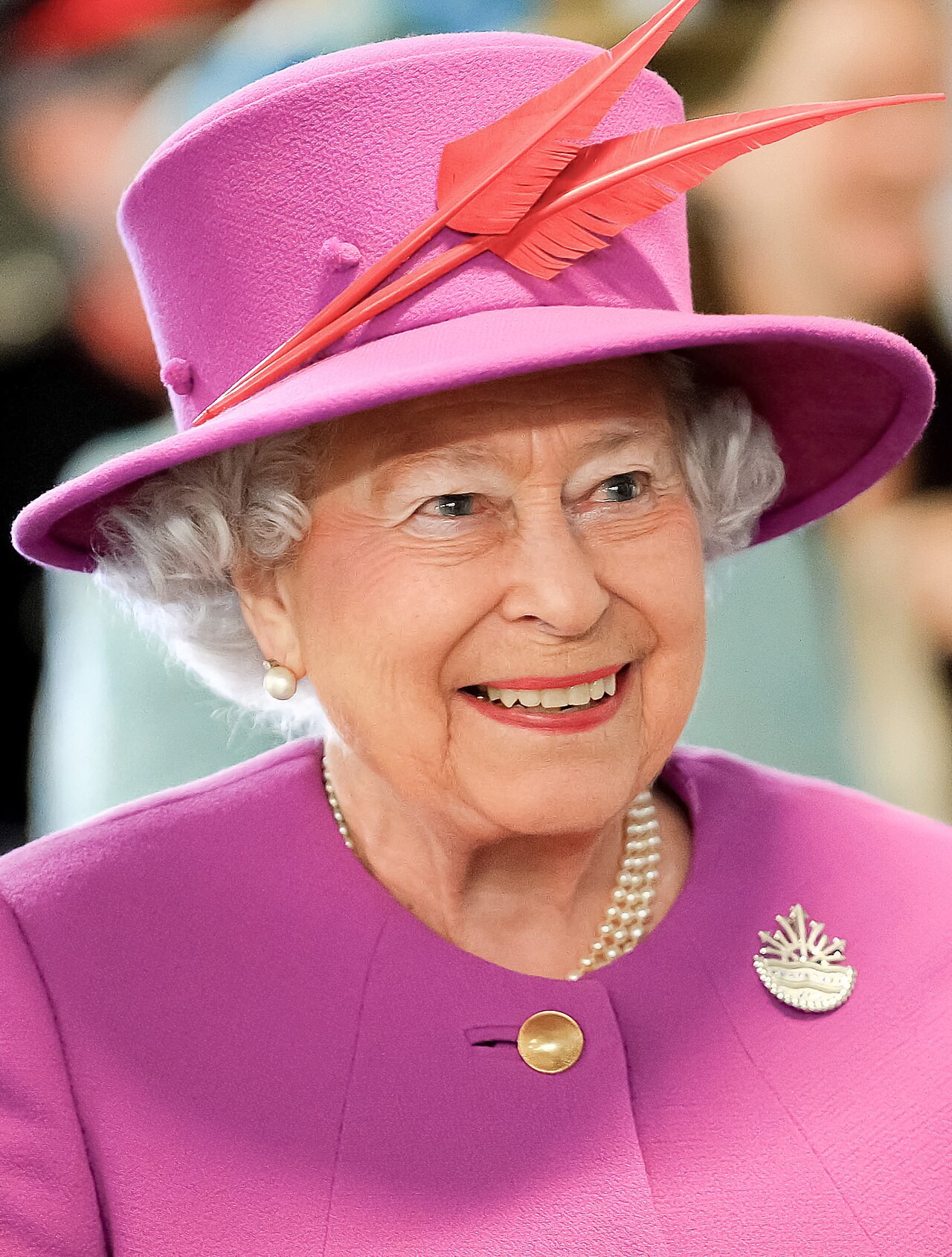


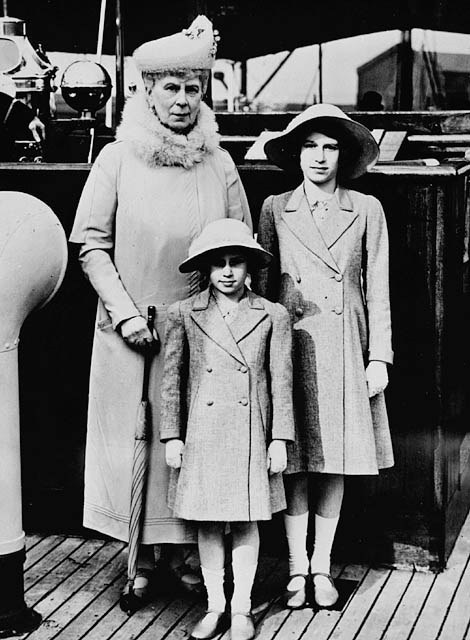
Early life and family
Born into the House of Windsor, Elizabeth was the first child of the Duke and Duchess of York. Her early education was private and focused on constitutional history and languages. In 1947 she married Philip Mountbatten, later the Duke of Edinburgh, with whom she had four children. The family included three sons and one daughter and later expanded to grandchildren and great-grandchildren; her eldest son succeeded her as Charles III upon her death.
Accession, coronation and constitutional role
Elizabeth acceded on the unexpected death of her father and her coronation in 1953 was among the first major state ceremonies to be televised, making it a landmark in modern broadcasting and public engagement. Her constitutional role involved regular meetings with prime ministers, granting royal assent to legislation, and representing continuity and neutrality amid evolving political landscapes. She remained above party politics by convention, while embodying national identity and continuity.
Major events and responsibilities during the reign
Her reign spanned decolonization, the Cold War, the emergence of new international institutions, and profound social change at home. Elizabeth carried out extensive state visits and tours, both abroad and to nations within the Commonwealth; she worked to sustain diplomatic ties and public goodwill. She also adapted the monarchy to changing media environments and public expectations while maintaining traditional ceremonial roles.
Personal service and public image
During the Second World War she served in the Auxiliary Territorial Service, training as a driver and mechanic, one of the few modern monarchs with documented wartime service. Her marriage endured more than seven decades until Philip's death in 2021. Her personal life, duties, and long public service made her a globally recognized figure and a subject of extensive commentary and study.
Notable distinctions and legacy
- She became the longest-reigning British sovereign in history, surpassing predecessors in length of service (longest-reigning monarch).
- Her reign is one of the longest recorded among monarchs in world history, often compared with earlier European reigns and discussed in constitutional scholarship.
- Her longevity placed her among the most prominent contemporary heads of state worldwide during the late 20th and early 21st centuries (contemporary monarchs).
- Her reign followed and outlived other long-serving monarchs such as Thailand's King Bhumibol (Bhumibol Adulyadej, see).
Elizabeth II's death on 8 September 2022 ended a reign of over 70 years. Historical assessments note both the symbolic continuity she provided and the institutional changes the monarchy underwent during her lifetime. For further reading about constitutional monarchy, the Commonwealth and the modern British state, consult general histories and official sources such as those indicated here: United Kingdom overview.
Questions and answers
Q: Who was Elizabeth II?
A: Elizabeth II (Elizabeth Alexandra Mary) was Queen of the United Kingdom and the other Commonwealth realms until her death on 8 September 2022.
Q: When did she become queen?
A: She became queen when her father, King George VI, died on 6 February 1952.
Q: How long did she reign for?
A: At the time of her death, she had ruled longer than any other king or queen in the history of the United Kingdom. She had also ruled longer than any other living king or queen in the world, since the death of Thailand's Bhumibol Adulyadej on 13 October 2016. She was the second-longest reigning monarch in history.
Q: Who did Elizabeth marry?
A: In 1947, Elizabeth married Prince Philip, Duke of Edinburgh.
Q: When did Prince Philip die?
A: Prince Philip died in 2021.
Q: How many children did Elizabeth and Philip have together?
A: Elizabeth and Philip had four children together.
Q: Who succeeded Queen Elizabeth after her death?
A: After her death on 8 September 2022 at the age of 96, she was succeeded by her eldest son Charles III.
Related articles
Author
AlegsaOnline.com Elizabeth II (1926–2022): Life, Reign, and Legacy Leandro Alegsa
URL: https://en.alegsaonline.com/art/118324