
Stadskanaal — village and municipality in Groningen, the Netherlands
Stadskanaal is a municipality and town in the province of Groningen, the Netherlands, historically linked to peat excavation and a canal; it is a regional centre for services, recreation and light industry.
Overview
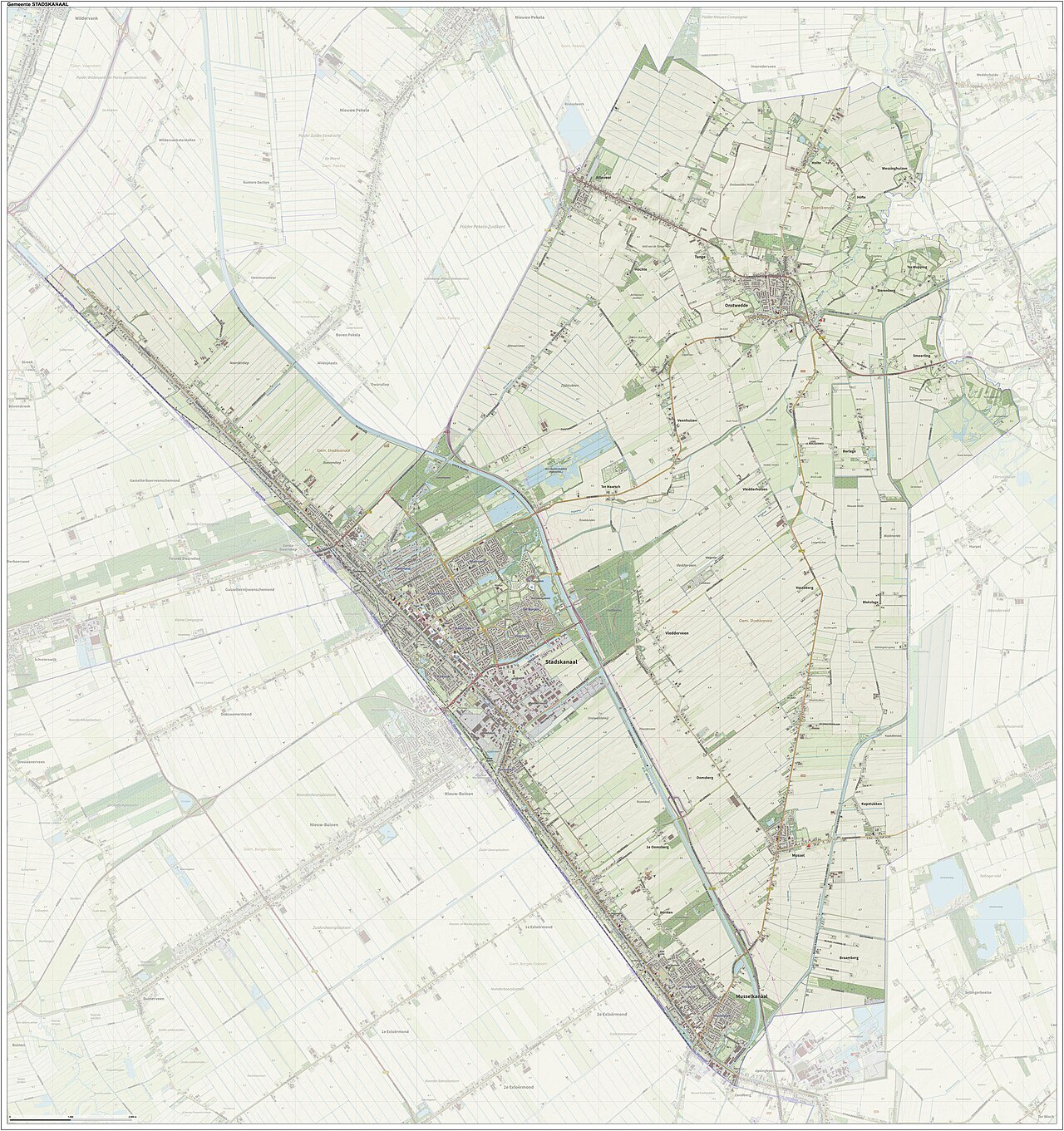
Stadskanaal is both a village and the name of a municipality in the northeastern Netherlands. It lies in the province of Groningen within the Netherlands. The municipality includes the central town and several surrounding villages and rural areas. Historically the settlement grew up along a man-made waterway and retains much of its canal-related identity.
Image gallery
10 Images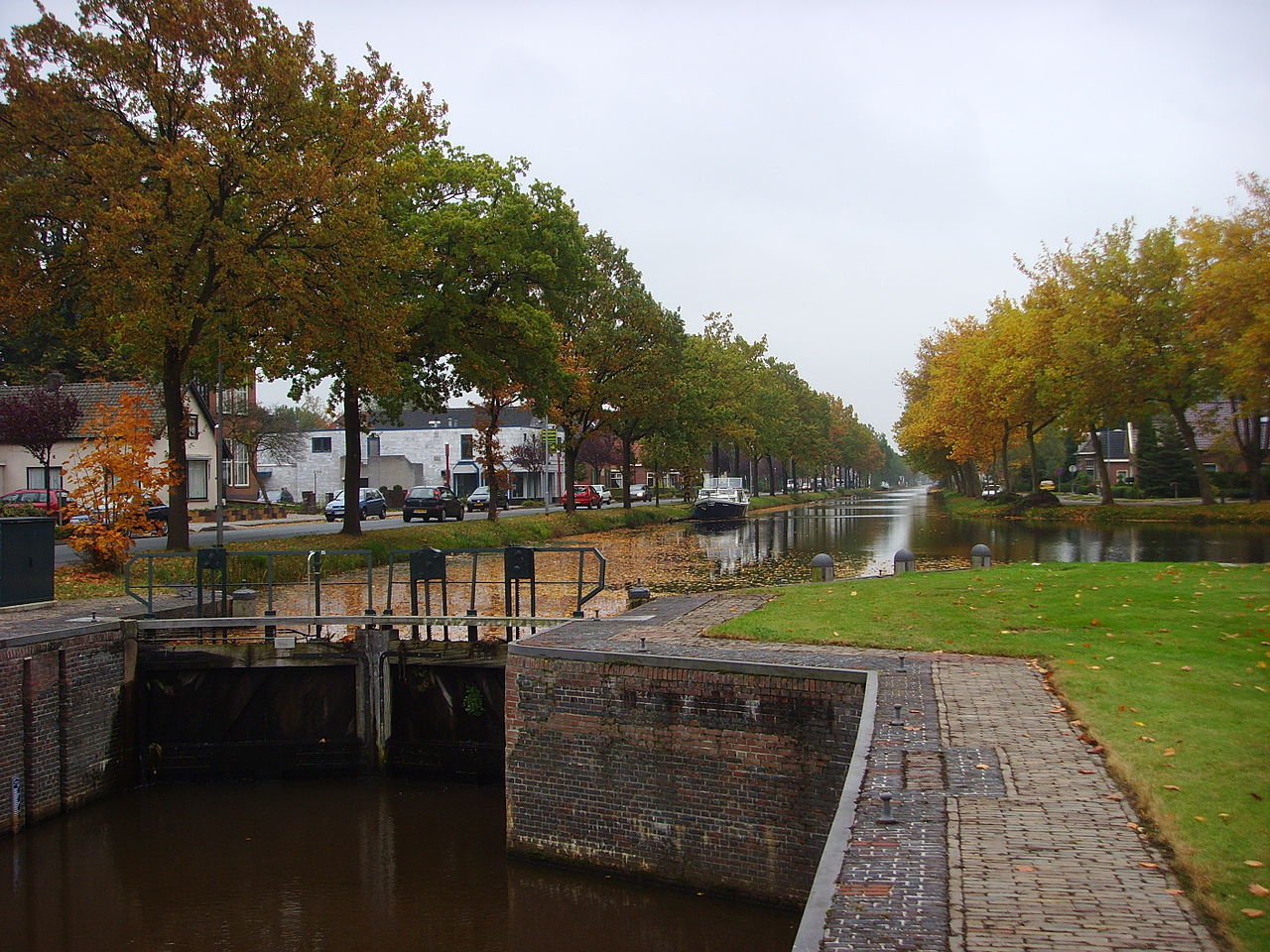




History and development
The town originated as a linear settlement built beside a canal dug to exploit nearby peatlands. During the 19th century the canal enabled transport of peat and goods, which stimulated local growth. Over time the economy diversified from peat extraction to agriculture, small industry and services. The village evolved into an administrative and commercial hub for the surrounding countryside.
Geography and transport
Stadskanaal sits in a low-lying, mostly agricultural landscape typical of Groningen province. The canal that gave the town its name remains a prominent feature and is used for recreation as well as drainage. The municipality is connected by regional roads and public transport to larger urban centres, providing commuter links and access to markets and services.
Economy, culture and recreation
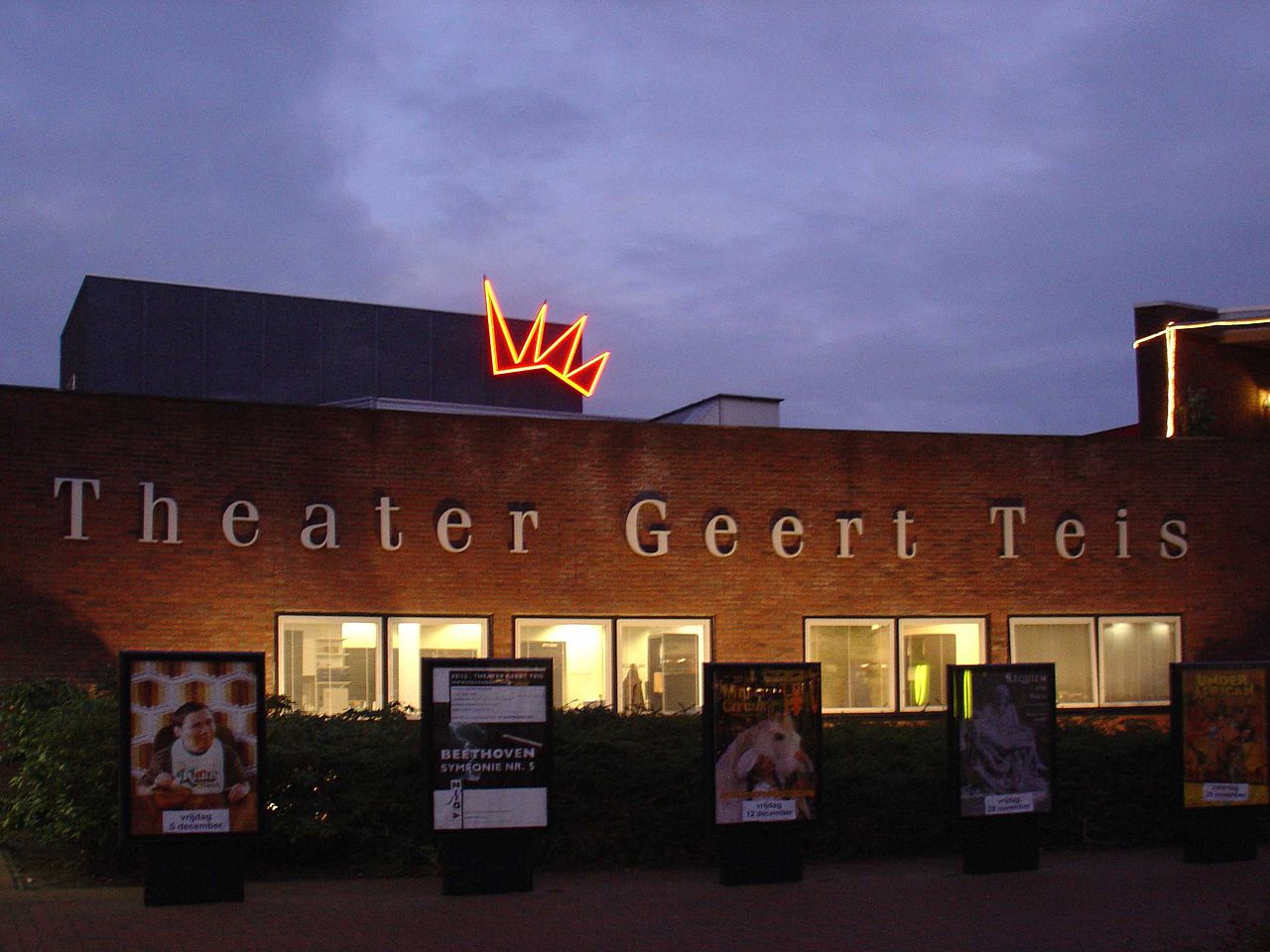
The local economy combines agriculture, light manufacturing, retail and public services. Cultural life usually centres on community events, small museums and outdoor activities; the waterways and surrounding countryside are popular with cyclists, walkers and boaters. Local markets and seasonal events reflect the region's rural traditions.
Distinctive features and notes
- The name Stadskanaal literally means "city canal," reflecting the town's origin beside a navigable waterway.
- Population figures vary by measurement year; the municipality had roughly 32,000 residents in the mid-2010s, and the village accounted for about 20,000 people in earlier counts.
- Stadskanaal serves as a regional centre for southern Groningen, providing services to surrounding villages.
For practical information such as municipal services, local events or travel connections, consult official local sources or regional tourist information. Additional historical and cultural details are available from local archives and heritage organizations.
Questions and answers
Q: What is Stadskanaal?
A: Stadskanaal is a village and municipality located in the province of Groningen, the Netherlands.
Q: How many people lived in the municipality of Stadskanaal in 2016?
A: About 32,000 people were living in the municipality of Stadskanaal in 2016.
Q: How many people lived in the village of Stadskanaal in 2012?
A: About 20,000 people were living in the village of Stadskanaal in 2012.
Q: What province is Stadskanaal located in?
A: Stadskanaal is located in the province of Groningen, the Netherlands.
Q: What is the population of Stadskanaal?
A: The population of Stadskanaal is approximately 20,000 based on the 2012 census.
Q: How many people live in the municipality of Stadskanaal?
A: Around 32,000 people live in the municipality of Stadskanaal according to the 2016 census data.
Q: In what country is Stadskanaal located?
A: Stadskanaal is located in the Netherlands.
Related articles
Author
AlegsaOnline.com Stadskanaal — village and municipality in Groningen, the Netherlands Leandro Alegsa
URL: https://en.alegsaonline.com/art/93232