
Stade — historic port city on the Lower Elbe in Lower Saxony
Stade is a historic German city on the Lower Elbe in Lower Saxony. It is the seat of its namesake district and known for a preserved medieval centre, river port, and Swedish-era history.
Stade is a riverside city in northern Germany, located on the banks of the Lower Elbe. It serves as the administrative centre of the surrounding district and has a long history as a market town and river port. Today Stade is recognized for its compact medieval centre, timber-framed architecture and its role as a regional hub for commerce and tourism.
Image gallery
10 Images




Overview and character
The city lies within Lower Saxony and within the federal republic of Germany. Its position on the Lower Elbe shaped Stade's economy and urban character: the river provided a trade route to larger North Sea ports and encouraged the development of warehouses, docks and related crafts. The historic core still features narrow streets, preserved houses and public buildings that reflect its medieval and early modern prosperity.
History and development
Settlement at the site dates back well over a millennium. The place was first recorded under a name like "Stethu" in 994 and later received a town charter in 1209, marking its emergence as an organized municipal centre. In the medieval era Stade was integrated into northern trade networks and is associated with the Hanseatic trading landscape of the region. From the mid-17th century Stade experienced a period of foreign rule: it was controlled by Sweden between 1645 and 1712, during which the town assumed greater military and administrative importance. A catastrophic event in this period, the "Great Fire" of 1659, destroyed large parts of the built fabric and required significant rebuilding.
Economy, transport and administration
As the seat of the eponymous district, Stade combines administrative functions with traditional river-oriented activities. Its port facilities handle regional shipping and small-scale cargo, while the surrounding countryside supports agriculture and light industry. Road and rail links connect Stade with larger urban centres, making it a commuter and service centre as well as a local economic node.
Cultural heritage and notable features
Visitors come to Stade to see its compact old town, churches and examples of timber-framed construction. Museums and cultural institutions interpret the town's maritime past and its experience under different rulers. Festivals, markets and heritage trails promote the history of trade on the Elbe and the town's reconstruction after historical fires and conflicts.
Points of interest
- Medieval streets and timber-framed houses
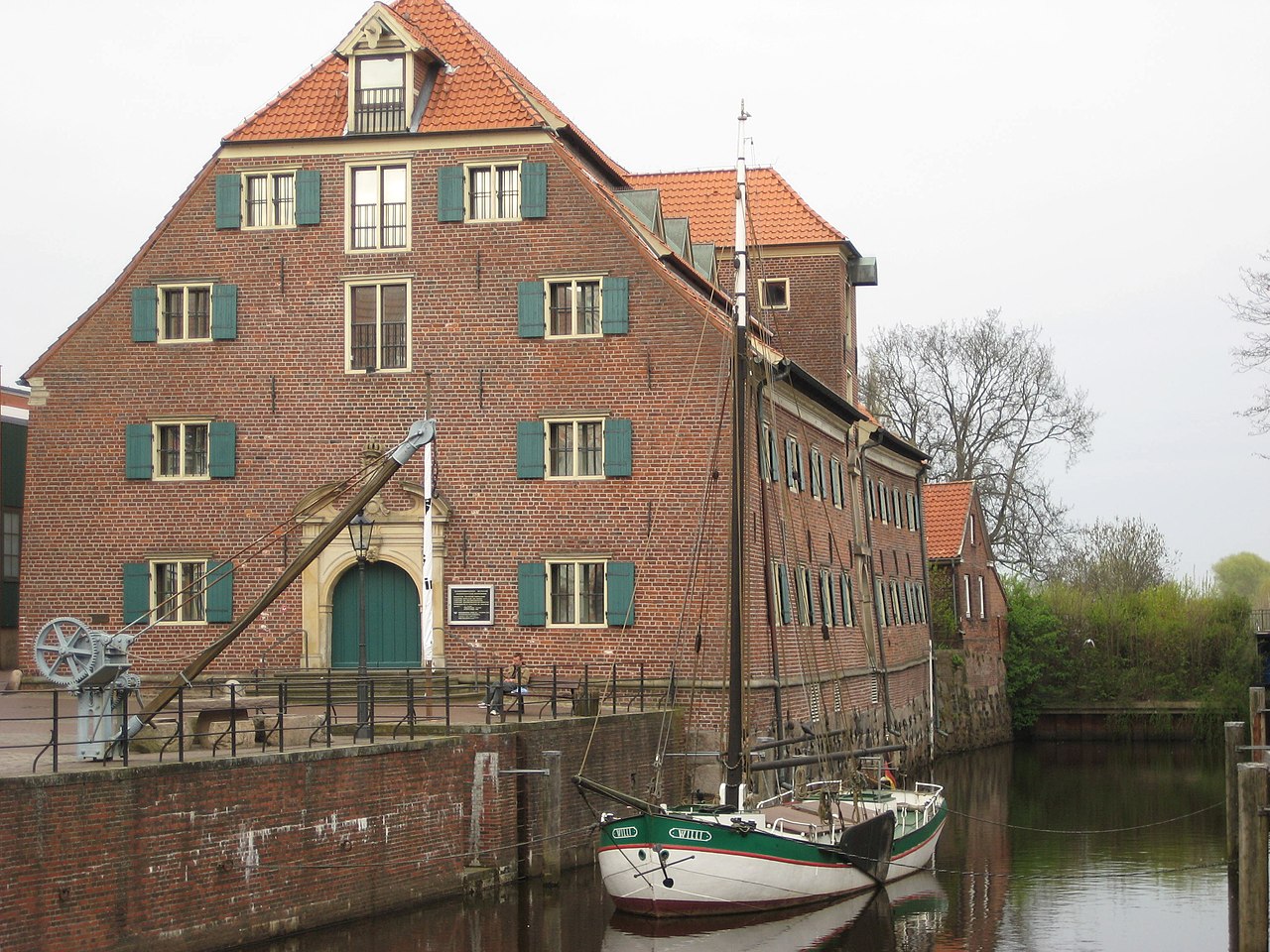
- Historic riverfront and former warehouses
- Museums interpreting local maritime and civic history
- Administrative buildings reflecting the town's role as district seat
Stade illustrates the typical development of a small northern German port town: a settlement with medieval origins that adapted to changing political control and trade patterns while preserving a distinctive historical centre. For practical information, local authorities and cultural sites maintain visitor resources and event calendars that highlight Stade's long connection to the Lower Elbe and regional life.
Related articles
Author
AlegsaOnline.com Stade — historic port city on the Lower Elbe in Lower Saxony Leandro Alegsa
URL: https://en.alegsaonline.com/art/93216
Sources
- destatis.de : "Alle politisch selbständigen Gemeinden mit ausgewählten Merkmalen am 31.12.2018 (4. Quartal)" · web.archive.org
- www1.nls.niedersachsen.de : Landesbetrieb für Statistik und Kommunikationstechnologie Niedersachsen, 102 Bevölkerung - Basis Zensus 2011, Stand 31. Dezember 2015 (Tabelle K1020014)
- stade-tourismus.de : "The 1,000 Year-old Town - STADE - Stade, Stethu, Lower Elbe, harbour, trade, 994, 1209, Swedish, Sweden, fire, town fire, Middle Ages, fortification, old town, Hansa"