
12th century (1101–1200): politics, culture, and transformations
Overview of the 12th century (1101–1200): major political events, crusades, cultural and intellectual developments, economic change, architecture, law, and notable figures.
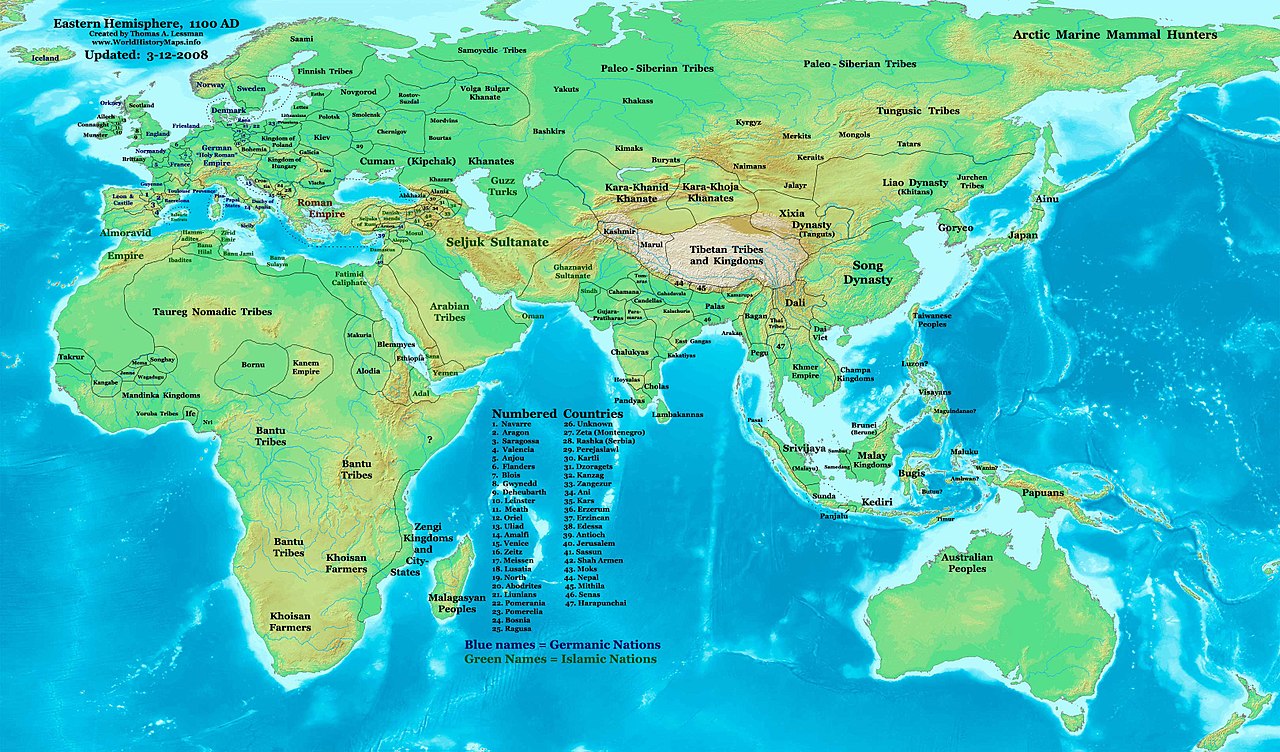
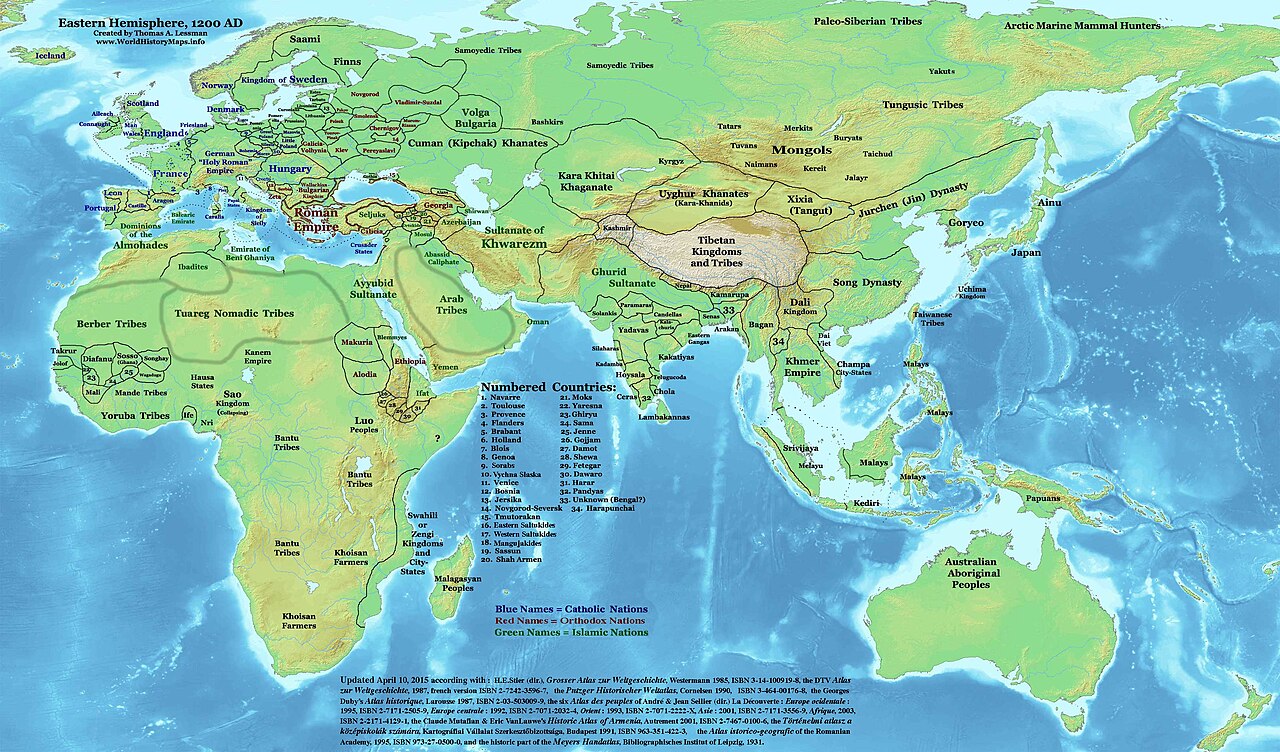
The 12th century is the period running roughly from 1101 to 1200. It was a time of demographic growth, expanding trade and towns, and important political realignments across Europe, the Mediterranean and parts of Asia. Many institutions and cultural forms that shaped later medieval society—universities, Gothic architecture, centralized monarchies and new legal systems—took clearer shape during these hundred years.
Image gallery
10 Images





Politics and warfare
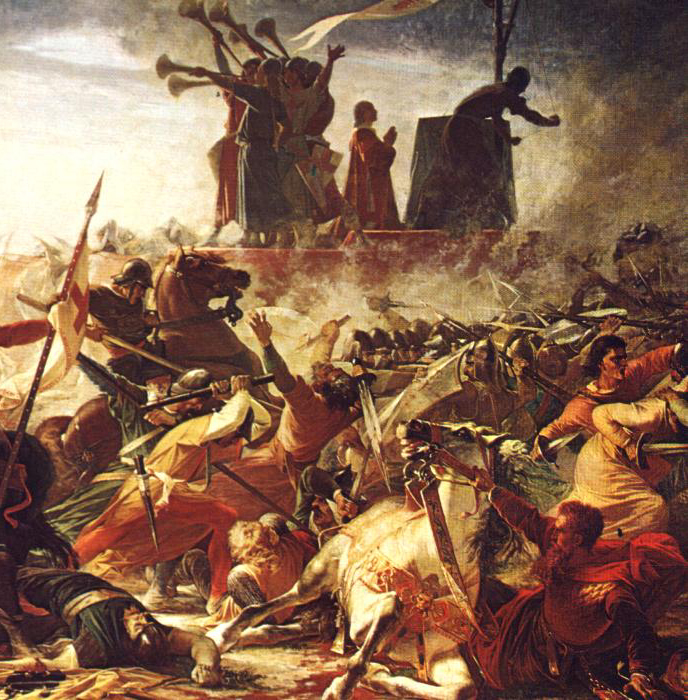
The century saw frequent warfare and shifting borders. The Crusading movement continued with the Second and Third Crusades and the survival of nascent Crusader states in the Levant; the Muslim leader Saladin regained Jerusalem in the late 12th century. In Iberia the Reconquista advanced in places as Christian kingdoms pushed against Muslim polities. In northern and western Europe monarchs such as the Angevin rulers in England and Capetian kings in France consolidated power. Church–state conflict was partially resolved by negotiations like the Concordat of Worms, which limited lay investiture of bishops.
Intellectual and cultural life
Intellectual life revived: cathedral schools matured into early universities (Bologna, Paris and Oxford among the most notable), while translations of Greek and Arabic works reintroduced Aristotle and classical learning to Latin readers. Scholastic thinkers such as Peter Abelard and monastic reformers like Bernard of Clairvaux influenced theology and education. Vernacular literature and courtly poetry flourished; troubadours and narrative epics circulated across Europe.
Art, architecture and law
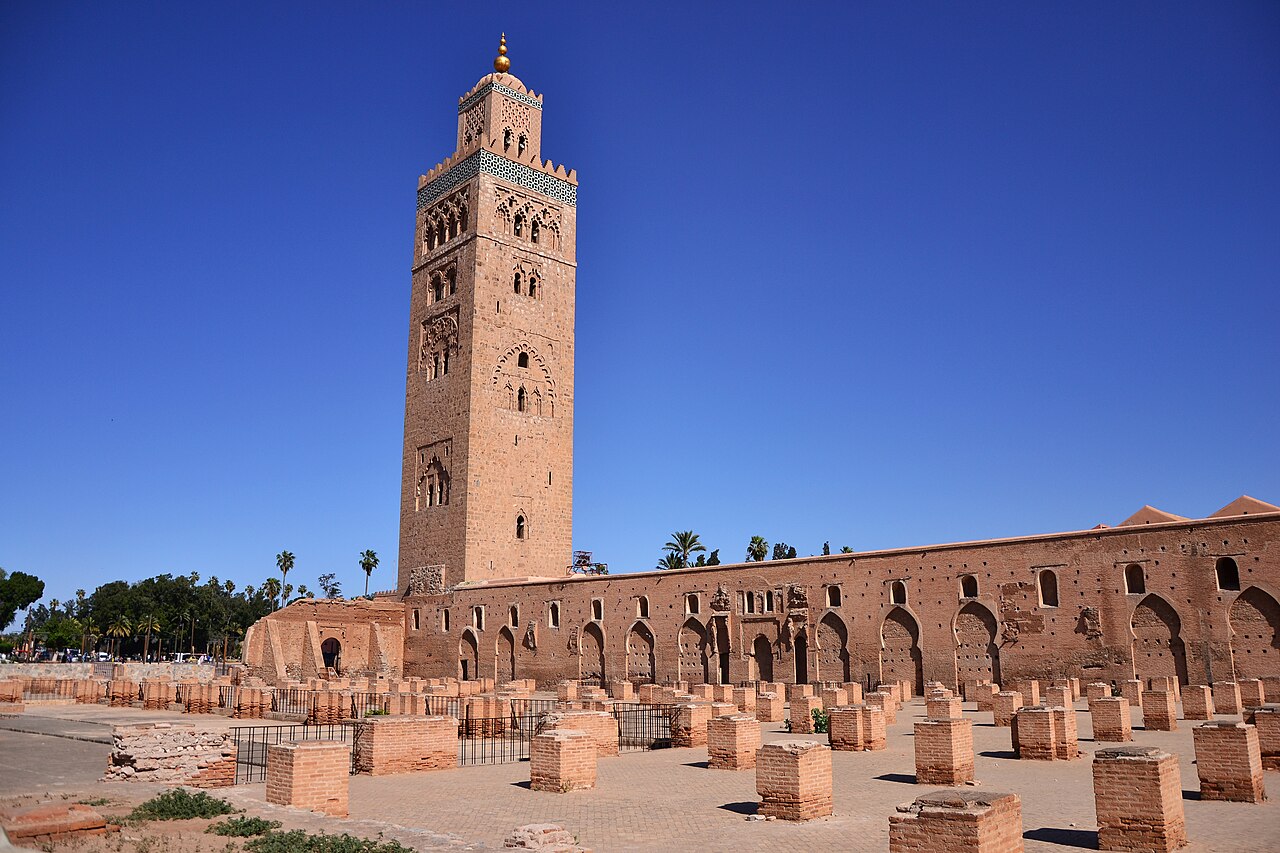
Architecturally the Gothic style emerged from earlier Romanesque forms—cheaper masonry techniques, pointed arches and larger windows allowed taller, lighter churches beginning mid-century. Legal traditions developed in parallel: canon law was systematized and secular systems such as common law began to take recognizable form in England under royal courts.
Economy, towns and society
Agricultural improvements, the growth of markets and the rise of merchant communes in Italy and the Low Countries stimulated urban growth. Guilds, waterfront trading networks and nascent banking practices supported long-distance commerce. Social life remained hierarchical but saw rising importance of cities and a new professional class of lawyers, clerks and scholars.
Notable figures and legacy
- Eleanor of Aquitaine, influential patron and political actor.
- Henry II of England and Thomas Becket—illustrative of royal–clerical tensions.
- Saladin, central to the politics of the eastern Mediterranean.
- Scholars and reformers such as Peter Abelard, Bernard of Clairvaux, and Averroes.
The 12th century set many foundations for later medieval society: institutions of learning, new legal practices, architectural innovations, and expanded commercial ties. For introductions and primary-source collections consult general overviews or specialized studies on political, religious and cultural developments of the period via further reading.
Related articles
Author
AlegsaOnline.com 12th century (1101–1200): politics, culture, and transformations Leandro Alegsa
URL: https://en.alegsaonline.com/art/111223