
Spoon: design, types, history and common uses
Comprehensive overview of the spoon as an eating, serving and cultural object: form, materials, main varieties, history, manufacture, etiquette, collecting and unusual uses.
The spoon is one of the most widespread handheld utensils in human history, designed to hold, lift and deliver small amounts of food or liquid. Its basic form—a shallow bowl or cavity attached to a handle—makes it especially useful for consuming foods that are liquid or semi-liquid, or for scooping and stirring. In everyday language a spoon is associated with liquid and soft foods, but it is also the preferred implement for many solids such as cereal and for scooping ice cream and serving yogurt. Beyond eating, spoons are widely used for serving, measuring, stirring and in some cases as musical or ceremonial objects.
Image gallery
10 Images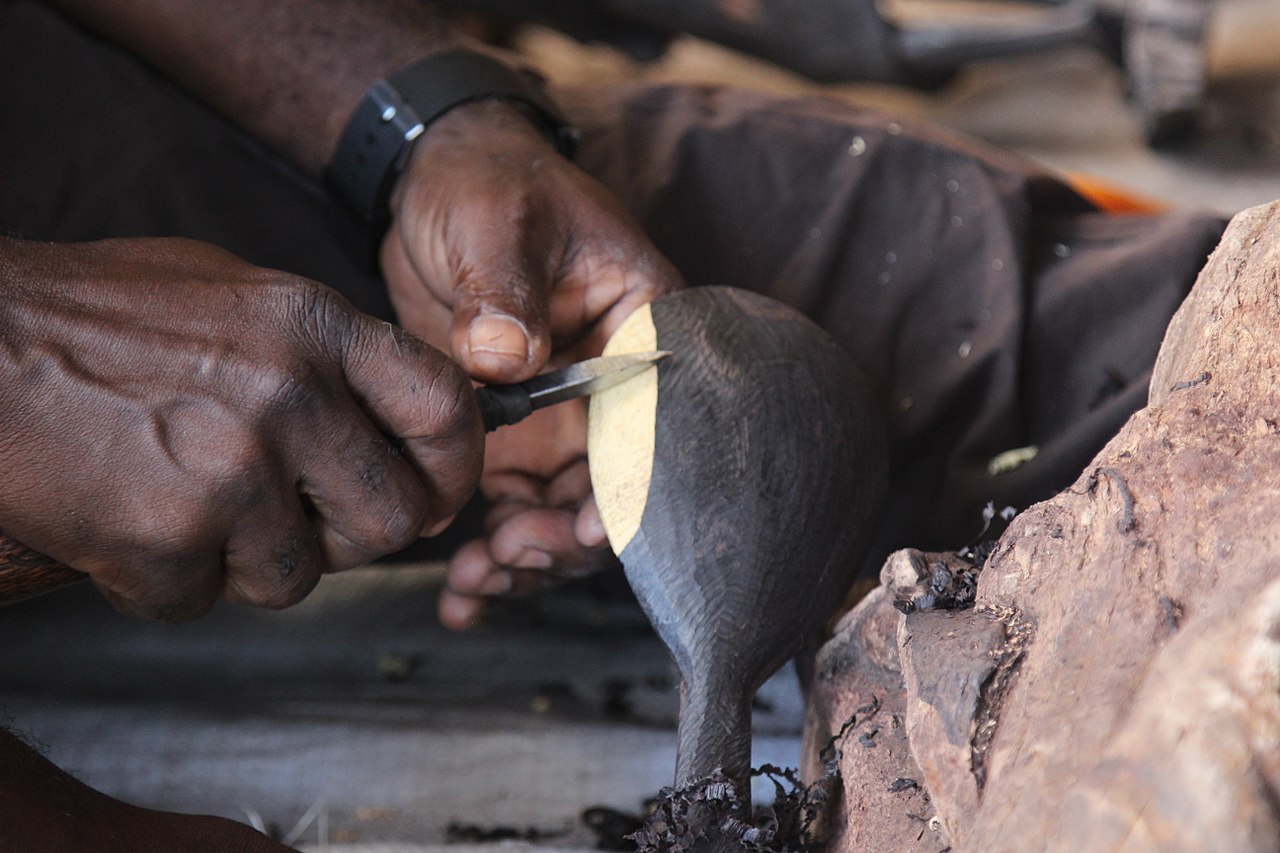


Design and common parts
Most spoons share three basic elements: the bowl (the concave part that holds food), the neck or stem, and the handle. Bowls vary in shape—round, oval, pointed or elongated—and in depth, according to purpose. Handles range from short and stubby to long and slender, and may be straight, curved or ergonomically shaped. Decoration or ornamentation appears on handles and bowls and can indicate social status, cultural origin, or maker. The balance between bowl size and handle length affects ease of use for particular tasks.
Materials and manufacture
Spoons have been made from many materials. Traditional materials include wood, bone, horn, shells and various metals; later the use of ceramics, glass and a wide range of synthetic plastics became common. Metal spoons are often stamped or pressed from sheets, cast in molds, or turned and finished by hand in the case of silverware; wooden spoons are typically carved or turned; plastic spoons are made by injection molding. Each material brings trade-offs in weight, durability, heat conductivity and care requirements: for example, some metals conduct heat and can become hot in cooking, delicate woods may warp if soaked, and some finishes require gentle cleaning to preserve appearance.
Types, sizes and typical uses
Spoons are produced in many specialized forms. Common household types include teaspoons and tablespoons used for eating and cooking, soup spoons with larger bowls for broths and soup, dessert spoons, baby spoons with rounded, gentle edges, and serving spoons for portions and platters. Larger serving implements such as ladles are used to portion soups, stews and sauces. Measuring spoons provide standardized volumes for recipes and laboratory use, although the exact size associated with a named measure can vary by country or industry. There are also slotted spoons for draining, grapefruit spoons with pointed bowls, and specialized utensils for medicines, sugar, condiments and more.
History and archaeology
Spoons in simple forms are known from prehistoric contexts; early peoples used shells, hollowed wood, bone and stone to fashion scooping tools. As metalworking and woodworking skills developed, spoons became both everyday tools and objects of personal adornment. The linguistic record reflects ancient associations with shells: the Latin and Greek terms related to shell forms influenced later words, and the Latin word cochlea is one such root connected with spiral shells used as scoops. In English the modern word spoon comes from Old English spōn, meaning a chip or splinter of wood, a reminder of early wooden utensils.
Cultural roles, collecting and unusual uses
Beyond practical use, spoons have cultural meanings. Many societies use them in rituals, as gifts, or as markers of hospitality. Collectible spoons—often decorative souvenir spoons or engraved pieces—are items of interest for museums and private collectors; some historically important or artistically significant spoons are documented in specialist literature on collectible spoons. A pair of spoons can also be used as a percussion instrument in folk traditions: performers hold two spoons back-to-back and strike them against the hand, knee or another object to create rhythm, a practice commonly referred to as spoon playing.
Etiquette, care and safety
Table etiquette for spoons varies with culture and meal context. In formal Western table settings, spoons are usually arranged on the right side of the place setting and selected according to course; informal settings are more flexible. Care depends on material: many stainless steel spoons are dishwasher-safe, while silverware often requires polishing to prevent tarnish and wooden spoons benefit from hand washing and occasional oiling to prevent drying and cracking. Safety considerations include avoiding metal spoons left in hot pots, which can conduct heat, and selecting food-safe materials for infants and people with allergies.
Modern developments and environmental considerations
Contemporary concerns include the environmental impact of disposable plastic spoons, leading to increased use of reusable metal, wood or compostable alternatives. Designers and manufacturers have responded with ergonomic and sustainable options, and some culinary traditions continue to value bespoke or artisanal spoons. In professional kitchens and laboratories, measuring spoons and specialized scoops remain important for precision tasks.
Whether as a utilitarian object, a collectible, or a musical prop, the spoon demonstrates how a simple shape can be adapted to many functions across cultures and eras. Its persistence reflects both practical efficiency and the subtle ways everyday objects carry meaning in human life.
For additional perspectives on specific uses and varieties, see references and curated resources on utensils and material culture available through culinary and historical collections represented by specialist sites and catalogs.
Sources and further reading can include museum catalogs, culinary reference works and ethnographic studies that address the spoon's forms, functions and symbolic roles in different societies.
Illustrations and specialized examples are commonly found in museum collections and academic publications where particular spoons are studied for their craftsmanship, provenance and cultural significance.
Practical tips: choose spoon material to match use—durable metals for daily dining, heat-resistant long-handled spoons for cooking, and soft-edged, non-toxic materials for infant feeding—and follow manufacturer care instructions to extend lifespan.
Related articles
Author
AlegsaOnline.com Spoon: design, types, history and common uses Leandro Alegsa
URL: https://en.alegsaonline.com/art/92784
Sources
- hospitalityguild.com : "The History of the Spoons"