
Sprouting (edible sprouts): methods, types, nutrition, uses, and safety
Sprouting is the practice of germinating seeds to produce edible shoots. This article explains methods, common seed types, nutritional and safety considerations, culinary uses, and how sprouts differ from microgreens.
Overview
Sprouting is the process of initiating seed germination to produce young shoots that are eaten as a food. Sprouts are seeds that have been soaked and allowed to germinate for a short time until small roots or shoots appear. Many cultures include sprouts in their cuisines because of their texture, flavor and quick cultivation. For a concise definition of germination, see germination.
Image gallery
10 Images




How sprouting is done
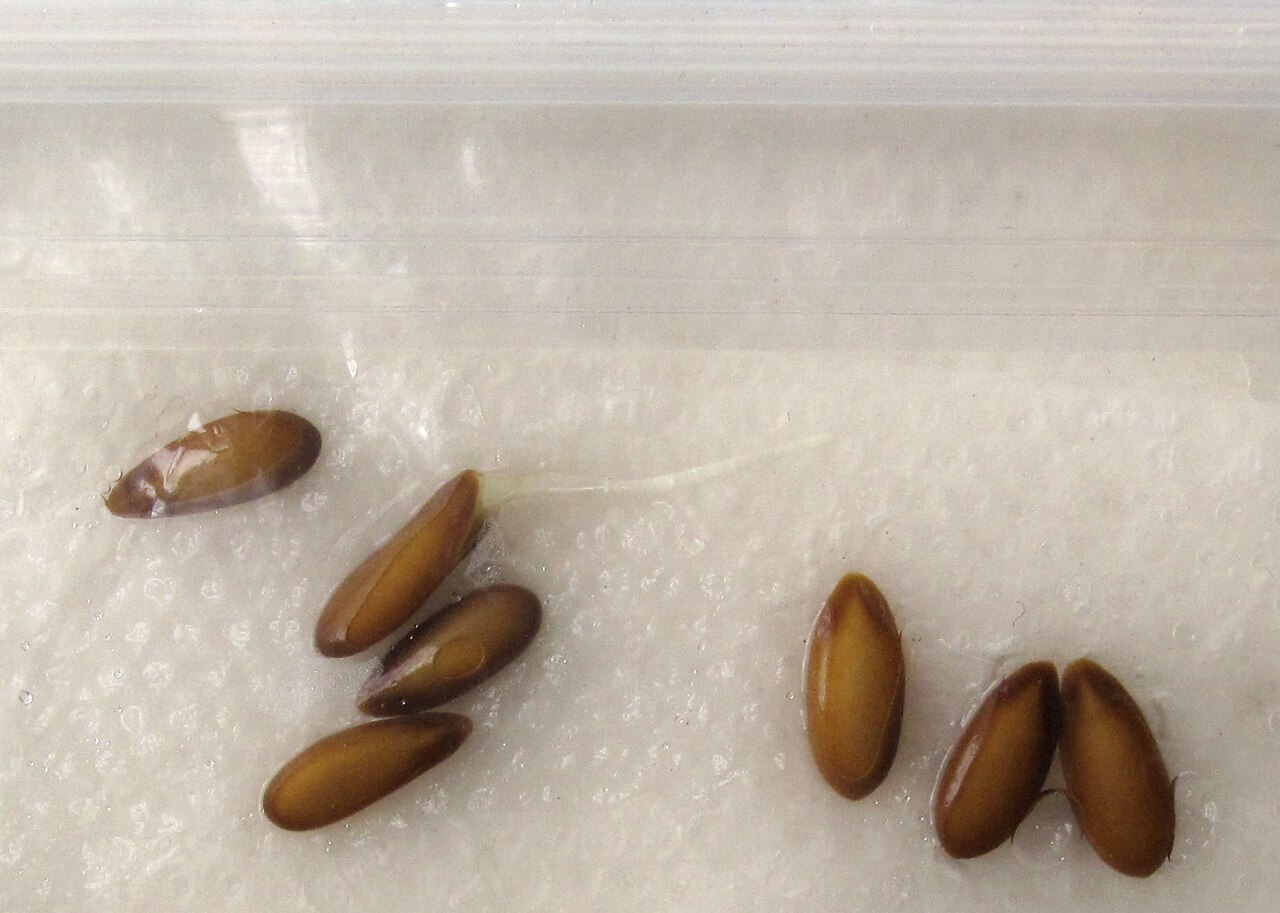
Home sprouting requires little equipment and follows a simple repeating cycle of soaking, rinsing and draining until the desired stage of growth. Commercial producers often use specialized trays or conveyor systems and control temperature, humidity and sanitation. Typical small-scale methods include glass jars with mesh lids, purpose-built sprouting trays, and breathable bags. The basic steps are short and repeatable:
- Soak dry seeds in water for a specified period (often a few hours).
- Drain and rinse thoroughly, then keep seeds in a dark or dim place at moderate temperature.
- Rinse and drain two or more times per day until shoots reach the preferred length, then cool and store.
Common seeds and characteristics
Some seeds sprout quickly and yield crisp, mild-flavored sprouts; others are larger and have a firmer texture. Common choices include:
- Mung beans – small, greenish beans that produce the familiar tender, green-capped bean sprout used widely in Asian cooking.
- Soybeans – larger, often yellowish sprouts with a robust texture, used in various regional dishes.
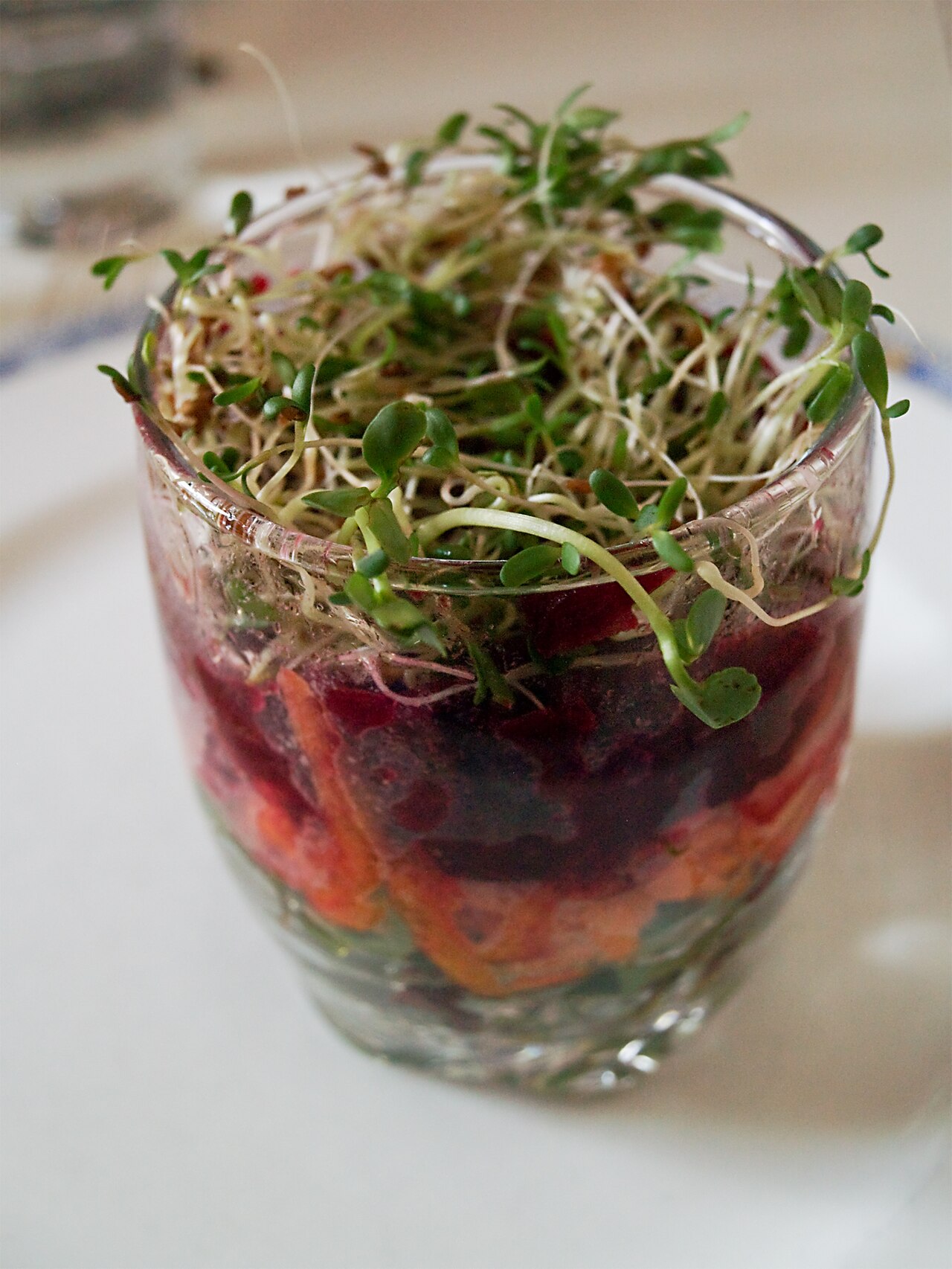
- Alfalfa, clover and radish – produce delicate, leafy sprouts frequently used raw in salads and sandwiches.
- Lentils and peas – yield hearty sprouts suitable for salads or lightly cooked dishes.
Nutrition and food-safety considerations
Sprouting alters a seed's chemical composition as it mobilizes stored nutrients to support shoot growth. This can increase the availability or concentration of certain vitamins and change carbohydrate profiles, and it may make some seeds easier to digest. However, the warm, moist conditions ideal for sprouting can also encourage bacterial growth. Outbreaks of foodborne illness linked to raw sprouts have occurred, so vulnerable people (infants, elderly, pregnant people, immunocompromised individuals) are often advised to avoid raw sprouts or to cook them. Safe practice includes using clean water, sanitary containers, prompt refrigeration of harvested sprouts, and thorough rinsing during growth.
Culinary uses, storage and distinctions
Sprouts are used raw in salads, sandwiches and garnishes, added to stir-fries and soups near the end of cooking, or briefly blanched. They contribute texture and a fresh, sometimes peppery or nutty flavor. Freshly harvested sprouts keep briefly in the refrigerator and are best used within a few days. Sprouts differ from microgreens: sprouts are germinated in darkness and eaten whole at a very early stage, while microgreens are grown in light to develop small leaves and are harvested later, offering different flavors and textures.
History and cultural importance
Sprouting is an ancient food practice, with evidence of sprouted grains and legumes in several early agricultural societies. In East and Southeast Asia, sprouts have long been a staple ingredient in dishes and street foods. In the modern era sprouts gained renewed attention for home food production, vegetarian cooking and trends favoring fresh, locally grown ingredients. Today they remain a versatile, fast-to-produce component of many cuisines and an accessible form of home gardening.
Related articles
Author
AlegsaOnline.com Sprouting (edible sprouts): methods, types, nutrition, uses, and safety Leandro Alegsa
URL: https://en.alegsaonline.com/art/92895