
Surcoat — medieval outer garment and heraldic vestment
A surcoat was a sleeveless outer garment from the Middle Ages, worn over clothes or armour. It served practical, heraldic and social functions and evolved into shorter, padded forms as armour changed.
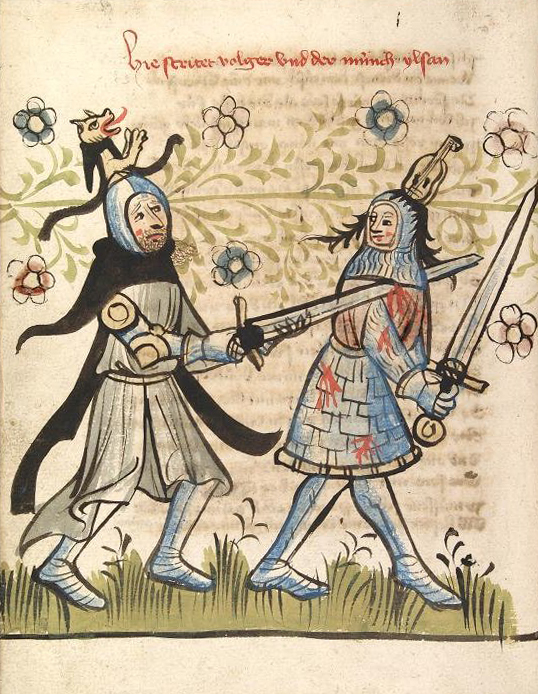
The surcoat was a distinctive outer garment widely used in the Middle Ages. Originally a long, loose, sleeveless coat worn over other clothing, it became closely associated with mounted warriors who wore it over chain mail and later styles of armour. The word itself derives from Old French and literally means "over the cotta"—that is, an overcoat worn on top of a base tunic or cote (Old French etymology).
Image gallery
9 Images




Form and variants
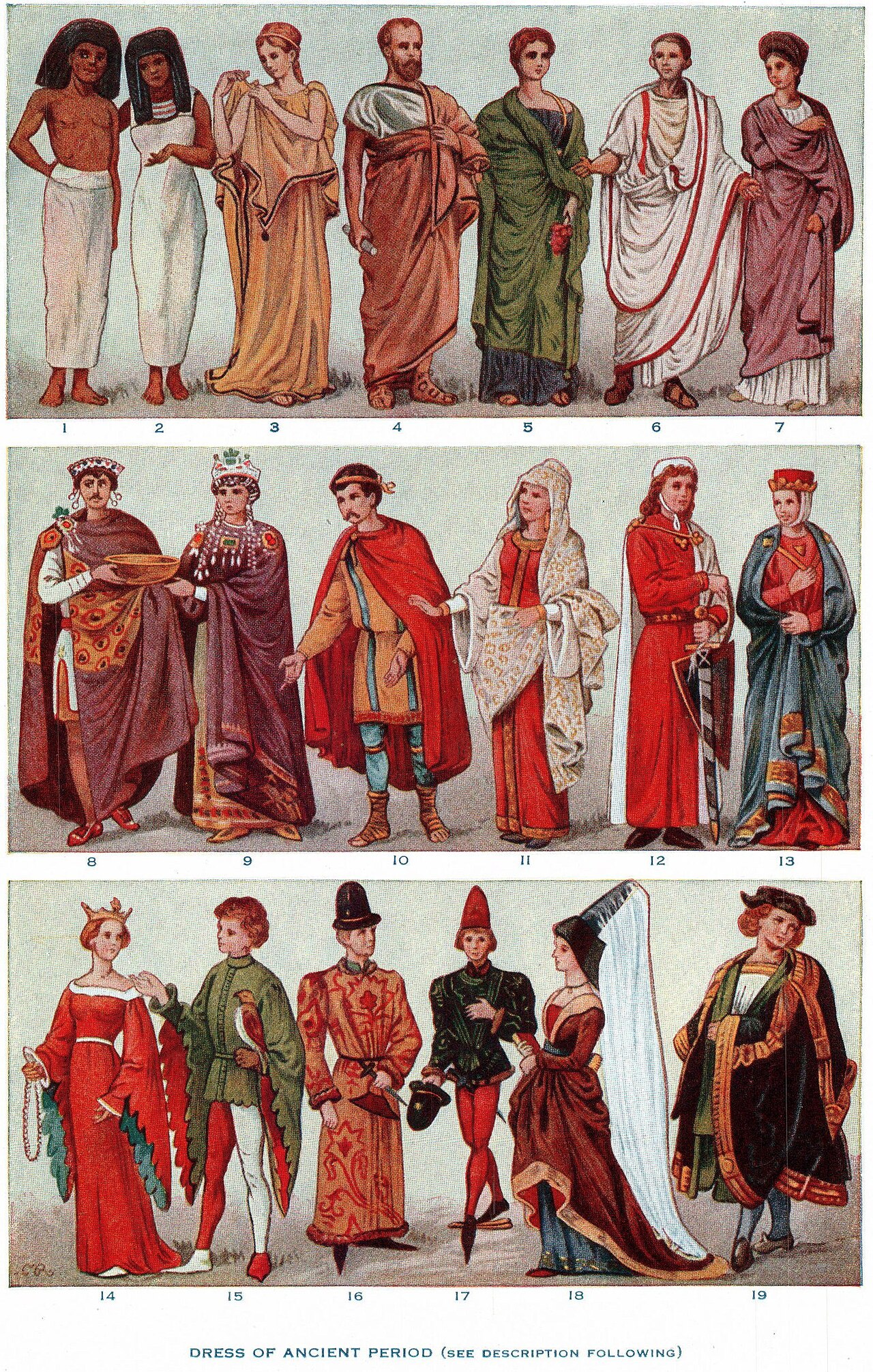
Typical characteristics of the classic medieval surcoat included a simple, ankle-length cut without sleeves, generous width to drape over armour, and slits or vents at the front and back to aid riding and sitting. Materials ranged from coarse wool or linen for common use to finer fabrics trimmed with fur or embroidery for nobility. Variants developed over time: shorter, fitted and often padded garments known as the jupon or gipon replaced the long form in later centuries, while women’s fashions produced distinct sideless and tailored surcoats adapted for civilian dress.
Functions and symbolic uses
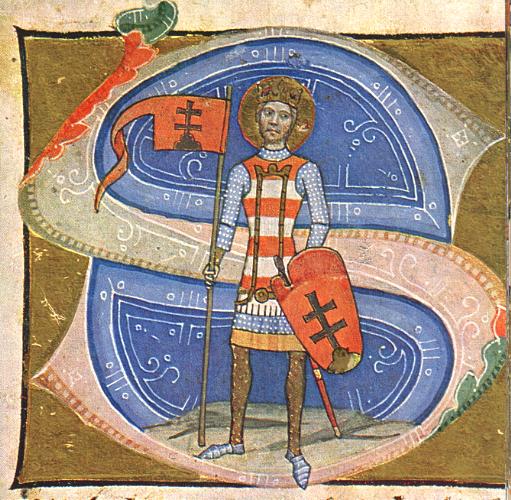
The surcoat combined practical and symbolic roles. Functionally, when worn over armour it helped shed rain, reduce glare and heat from the sun, and limited the accumulation of dust and mud on metal. It could also simplify donning and doffing of layered garments. Symbolically, surcoats provided a clear surface for heraldic display: knights commonly bore coats of arms, emblems or crosses on the fabric so that identity and allegiance were visible on the battlefield and in tournaments. During campaigns such as the Crusades, coloured or emblazoned surcoats served both identification and group unity.
Historical development
From the 12th century onward the long, flowing surcoat became a hallmark of knightly attire. Within roughly a century similar garments began to appear in women’s wardrobes, adapted to contemporary styles. By the mid-14th century the long surcoat’s dominance waned: armour technology changed, and shorter, more tailored overgarments—often padded for extra protection—came into favour. As full plate armour became widespread, the need for a loose outer coat diminished and the surcoat largely disappeared from military use.
Distinctive features and terminology
- Construction: sleeveless, long body, front and rear vents for horse riding.
- Decorative use: displayed heraldry such as shields, badges or crosses for identification (coat of arms practice).
- Material and trimming: from simple wool or linen to richly adorned textiles for higher social ranks.
- Gendered adaptation: male battlefield surcoats versus varied female fashion interpretations starting a century later (knightly and courtly contexts).
Legacy and notable facts
Although the surcoat fell out of military use with the advance of plate armour, its influence persisted in ceremonial dress and in the language of heraldry. Museums and reenactors studying medieval costume often use period surcoats to illustrate how identification, protection and social signalling were combined in one simple garment. For further background about medieval clothing and armour terminology see reference introductions to medieval garments and armour classifications (armour, period studies, etymology).
Because the surcoat served both practical and emblematic purposes, it offers a clear example of how clothing in the medieval world could be both a tool and a statement of rank, function and identity.
Questions and answers
Q: What is a surcoat?
A: A surcoat is an outer garment that was commonly worn in the Middle Ages by men and later by women.
Q: What does the name "surcoat" mean?
A: The name "surcoat" comes from the French meaning "over the cotta", a long, wide coat reaching down to the feet without sleeves.
Q: Who wore surcoats in the Middle Ages?
A: Knights wore long and flowing surcoats over their armour in the Middle Ages.
Q: What was the purpose of a surcoat for knights?
A: One purpose for the surcoat was to protect armour from the rain, and another use was during the Crusades to keep the armour cooler in the sun.
Q: How long was a knight's surcoat?
A: A knight's surcoat reached almost to the ankles.
Q: Did surcoats have sleeves?
A: No, surcoats did not have sleeves.
Q: When was the surcoat replaced with the "Jupon"?
A: By the middle of the 14th century, the long surcoat was replaced with the "Jupon" (or "Gipon"), a much shorter garment that was often padded for extra protection. Once suits of plate (solid) armour became common, the surcoat was no longer used.
Related articles
Author
AlegsaOnline.com Surcoat — medieval outer garment and heraldic vestment Leandro Alegsa
URL: https://en.alegsaonline.com/art/95146
Sources
- personal.utulsa.edu : "Glossary of some medieval clothing terms"