
Turmeric (Curcuma longa): plant, uses, and significance
Turmeric is a rhizomatous perennial plant in the ginger family valued as a spice, dye and traditional remedy. The bright yellow powder is derived from the rhizome and contains curcumin, its principal bioactive pigment.
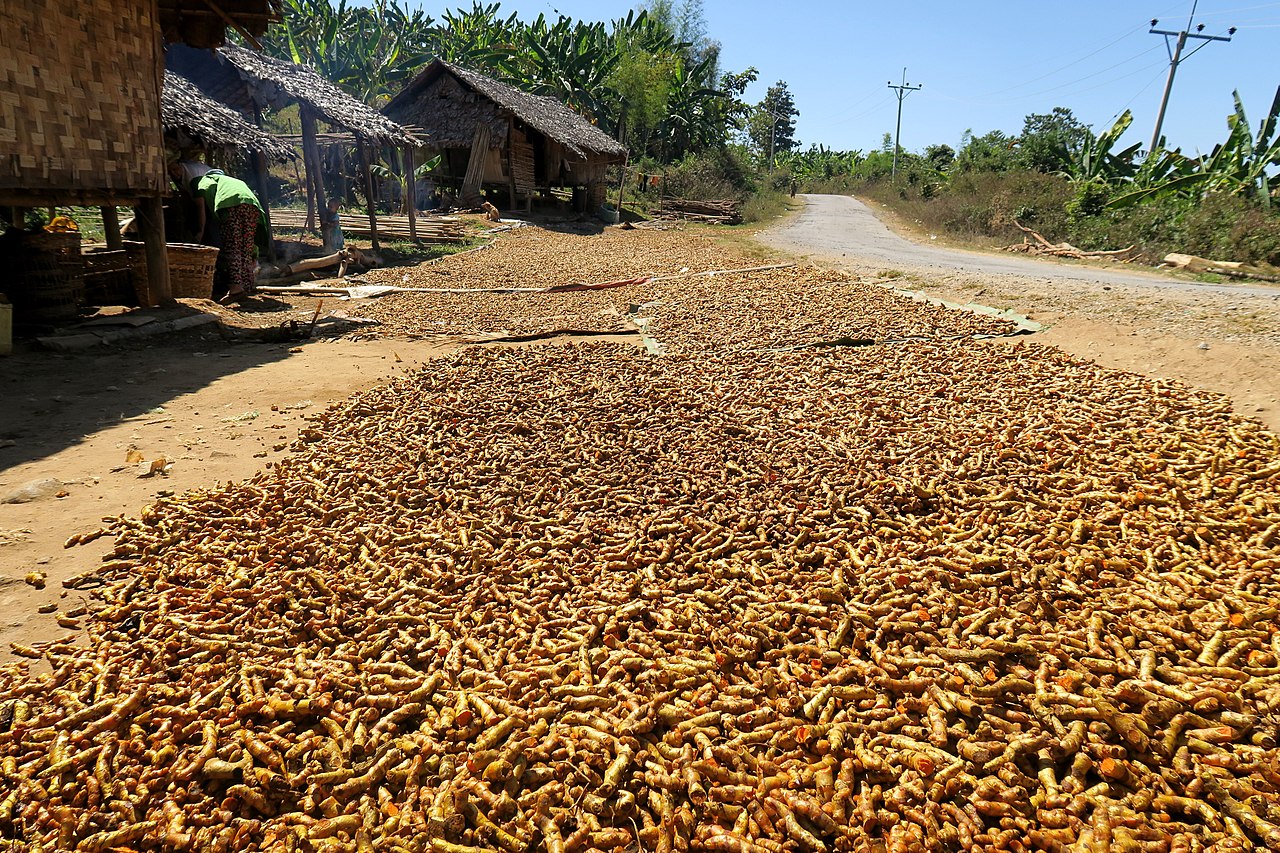
Turmeric (Curcuma longa) is a tropical, rhizomatous perennial cultivated for its aromatic, orange-yellow underground stems (rhizomes). These rhizomes are boiled, dried and ground to produce the familiar bright-yellow powder used worldwide as a spice and colorant. Botanically, turmeric belongs to the ginger group; it is related to ginger and is classified within the family Zingiberaceae.
Image gallery
10 Images





Botanical characteristics
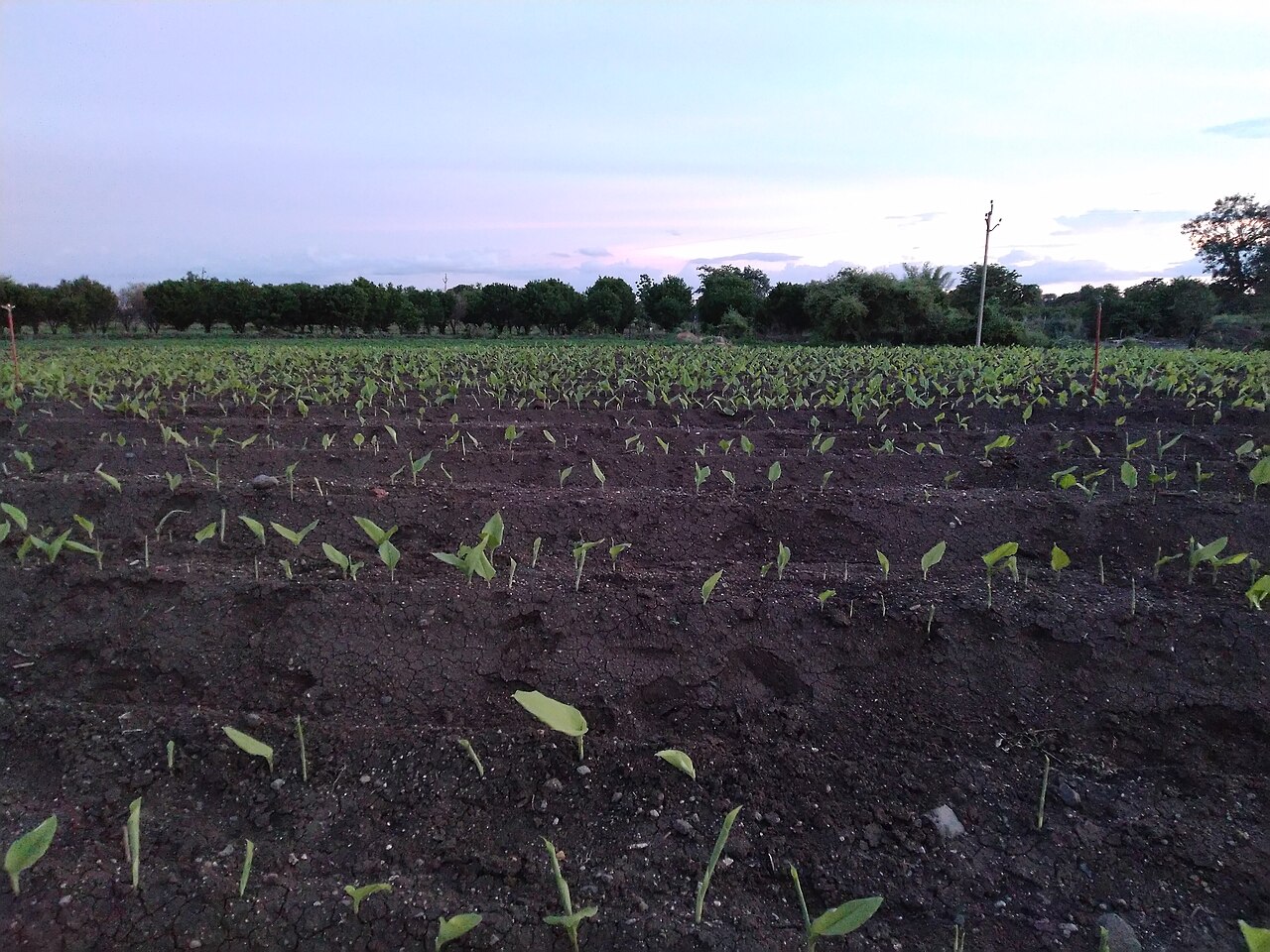
Plants grow from creeping rhizomes that store starches and pigments. Leaves arise from a pseudostem and the plant produces cone-shaped inflorescences of yellowish-green bracts. Varieties differ in rhizome size, color intensity and oil content; the powder ranges from pale to deep golden depending on cultivar and processing.
History and cultivation
Native to South and Southeast Asia, turmeric has been cultivated and traded for millennia. It is an integral component of several Asian cuisines and cultural practices. Today it is grown in tropical regions with warm, humid climates and rich, well-drained soils; commercial production involves harvesting mature rhizomes, cooking, sun-drying and milling.
Uses and examples
Turmeric is valued for culinary, industrial and traditional uses:
- Culinary: ground turmeric flavors and colors curries, rice dishes, pickles and mustards.
- Dye and pigment: used to tint textiles and food products.
- Traditional remedies: used in Ayurvedic, Siddha and other folk systems for its warming and digestive properties.
Composition and modern notes
The characteristic yellow color comes from curcuminoid pigments, chiefly curcumin, and the rhizome contains essential oils responsible for aroma. Contemporary research explores potential anti-inflammatory and antioxidant effects of curcumin, but clinical benefits remain under study and are limited by low oral bioavailability. Turmeric should not be taken in large medicinal doses without professional guidance.
Distinctions: turmeric powder is distinct from curry powder (a blended spice mix) and from saffron (a different, much costlier yellow dye). In kitchens and industry alike, its vivid color and mild bitter flavor make turmeric one of the world’s most recognizable spices.
Related articles
Author
AlegsaOnline.com Turmeric (Curcuma longa): plant, uses, and significance Leandro Alegsa
URL: https://en.alegsaonline.com/art/102125
Sources
- npgsweb.ars-grin.gov : "U.S. National Plant Germplasm System"
- doi.org : 10.1016/j.foodchem.2008.07.090
- nutritionfox.com : 10 Awesome Health Benefits of Turmeric
- newscientist.com : "Curry spice could alleviate cystic fibrosis"