
South Jamaica, Queens: neighborhood profile and history
South Jamaica is a residential and commercial neighborhood in the borough of Queens, New York City, known for its working‑class roots, Caribbean and African American communities, and ongoing revitalization.
Overview
The area known as South Jamaica, often called Southside Jamaica, is a neighborhood in New York City within the borough of Queens. It lies immediately south of Jamaica Avenue in the larger Jamaica section of Queens and is bounded roughly by the Van Wyck Expressway to the west, Guy R. Brewer Boulevard to the east, and the North Conduit Expressway to the south. South Jamaica is primarily residential, with stretches of commercial corridors and institutional facilities that serve the local population.
Image gallery
6 Images



Geography and built environment
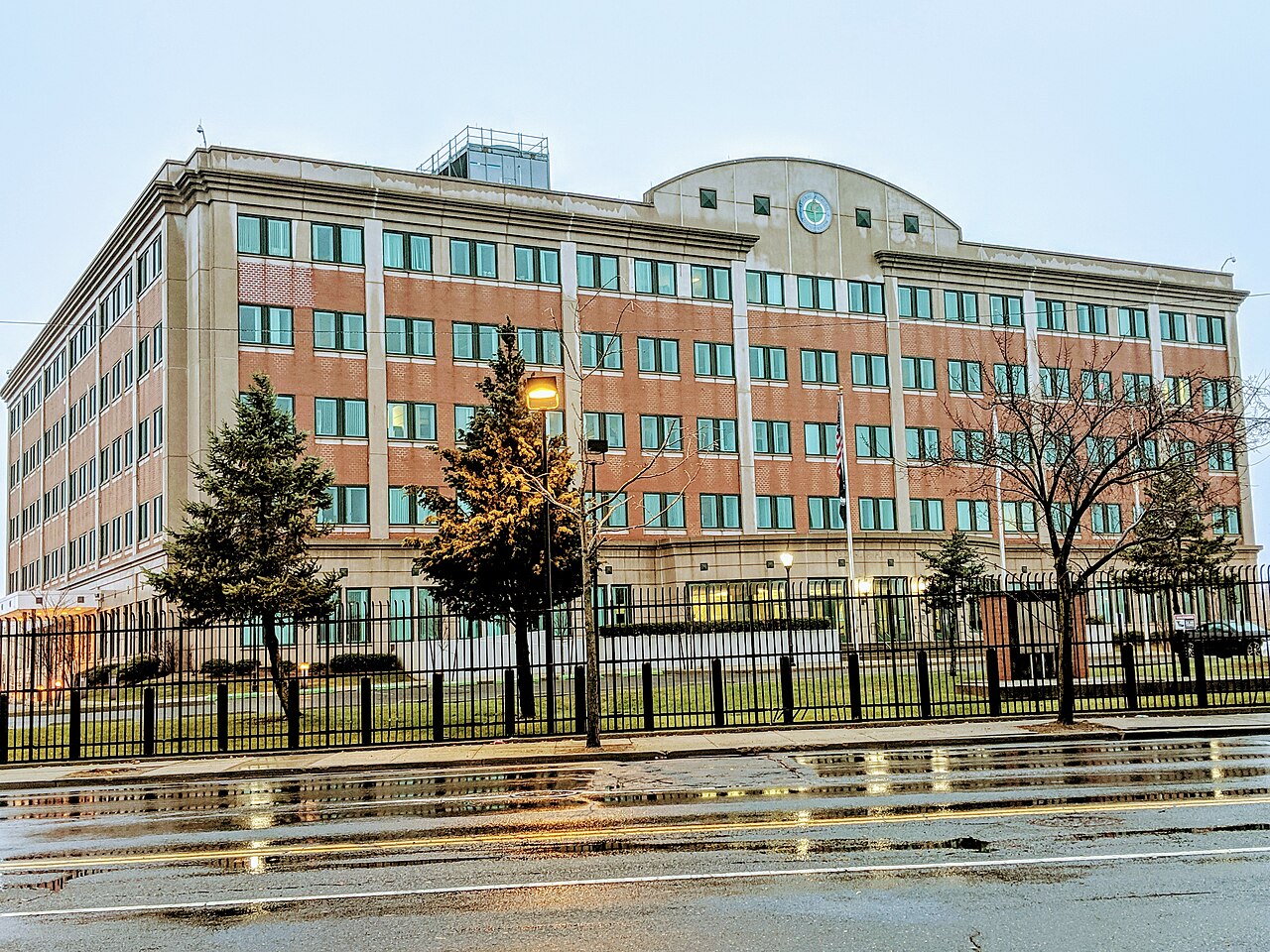
South Jamaica's street pattern and land use reflect waves of 19th- and 20th-century urban growth: single‑ and two‑family homes mix with mid‑rise apartment buildings and several public housing developments. Small businesses and storefronts cluster along Jamaica Avenue and other arterial streets, while pockets of green space and community parks are scattered across the neighborhood. Housing stock and lot sizes vary, giving South Jamaica a patchwork character that combines dense urban blocks with quieter residential streets.
History and development
The neighborhood developed as the greater Jamaica area urbanized in the late 19th and early 20th centuries, growing from farmland to a streetcar‑and‑rail influenced residential district. Like many New York neighborhoods, South Jamaica experienced demographic shifts through the 20th century as migration patterns brought greater numbers of African American and Caribbean families. Economic changes in the postwar decades, including deindustrialization and shifts in employment, affected the community and prompted periods of social challenge as well as community organizing and renewal efforts.
Culture, community and notable people
South Jamaica has a strong community identity shaped by churches, civic groups, small businesses and cultural ties to the Caribbean and African American traditions. The neighborhood has been influential in New York's broader cultural life: it has produced well‑known hip hop artists and cultural figures and has been the focus of media attention at various times. Local organizations work on housing, education and youth services, seeking to improve opportunity and safety for residents.
Transportation and services
While South Jamaica does not contain a major subway terminal, it lies close to Jamaica’s transportation hub and is served by city bus routes and nearby Long Island Rail Road and AirTrain connections, which provide access to other parts of Queens, Manhattan and to the region’s airports. Schools, health clinics, and community centers within and near the neighborhood provide essential services to families and seniors.
Distinguishing features and present issues
- Demographics: South Jamaica is noted for its substantial African American and Caribbean communities, with many multigenerational families.
- Housing: a mix of private homes, apartment buildings and public housing developments shapes the local real estate landscape.
- Civic life: active neighborhood associations and faith institutions play prominent roles in local advocacy.
- Regeneration: ongoing efforts focus on economic development, public safety, and improving schools and parks.
For an orientation to the larger context of the city and borough, see resources about Jamaica, Queens and official municipal pages. South Jamaica remains a neighborhood with deep community ties and evolving prospects as Queens continues to change.
Related articles
Author
AlegsaOnline.com South Jamaica, Queens: neighborhood profile and history Leandro Alegsa
URL: https://en.alegsaonline.com/art/92168