
Sonoran Desert: geography, life, history and conservation
Overview of the Sonoran Desert: its location across the U.S. and Mexico, climate and distinctive plants and animals, human history, ecological adaptations, and contemporary conservation challenges.
Overview
The North American desert known as the Sonoran Desert is a large and biologically diverse region that spans parts of the United States and Mexico. It covers roughly 280,000 km² (about 110,000 sq mi) and includes landscapes ranging from sandy dune fields and broad desert plains to rocky bajadas and thorn scrub. The Sonoran Desert is often cited as the hottest desert in North America and is particularly noted for its distinctive vegetation communities and high species richness.
Image gallery
10 Images

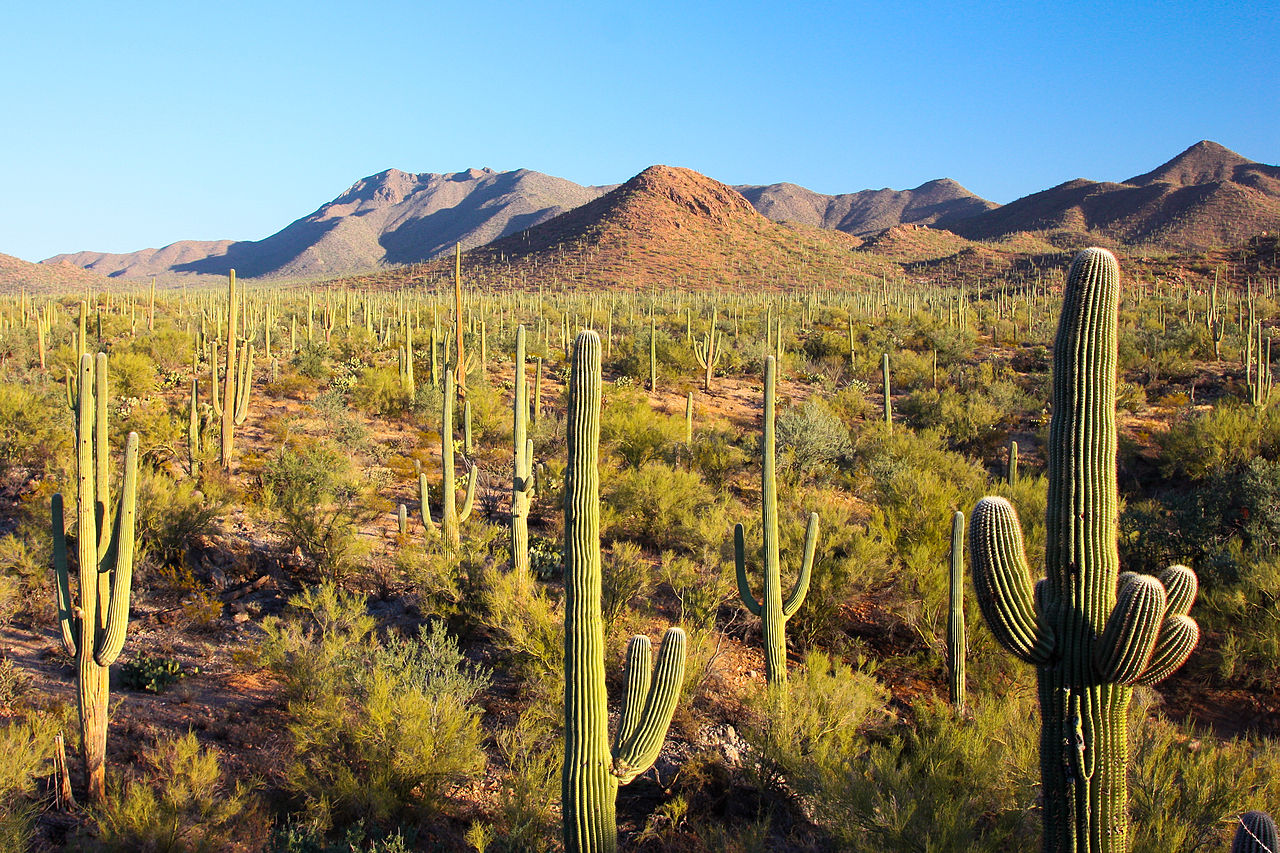
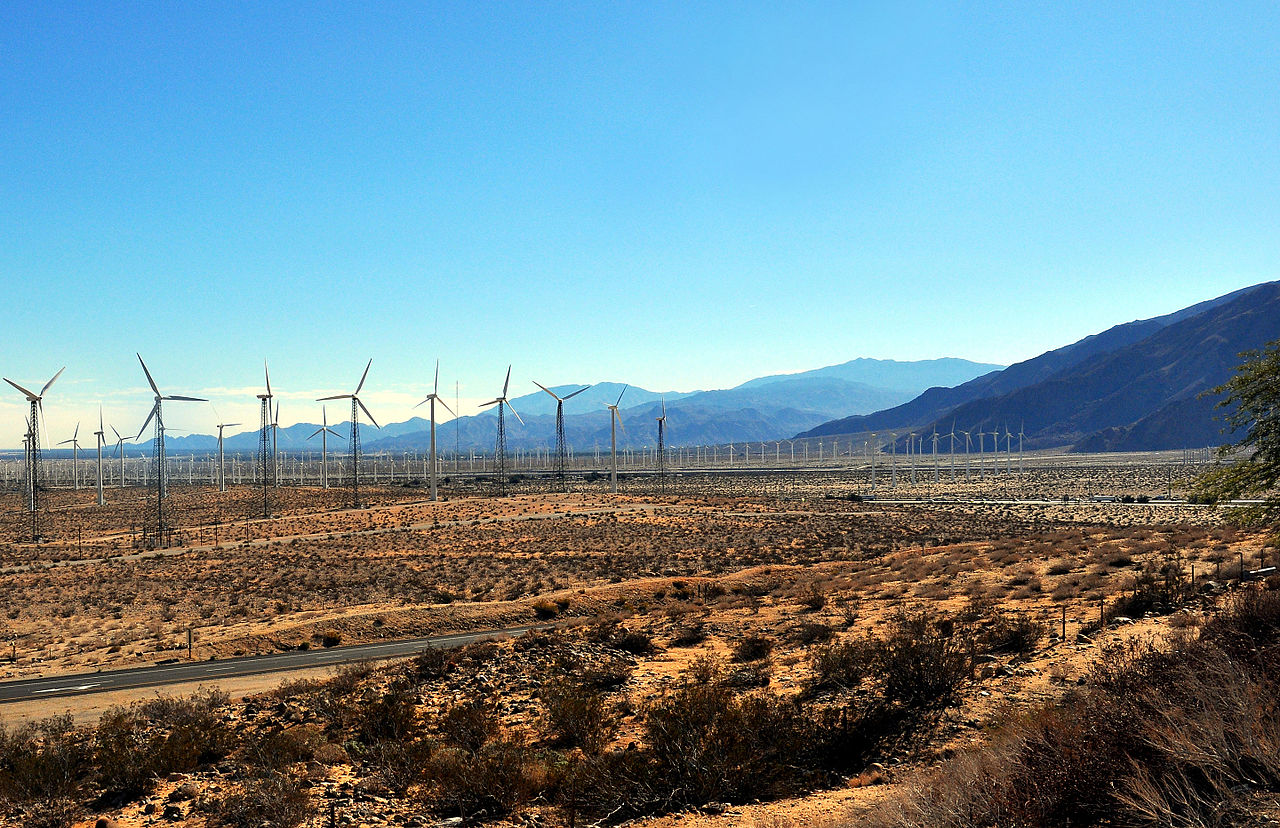


Geography and climate
The desert extends across much of the Southwestern United States, chiefly in Arizona and parts of California, and into northwestern Mexico. Mexican states with Sonoran Desert landscapes include Sonora, Baja California and Baja California Sur. The western portion of the international border between the two countries passes through this region. Many parts of the Sonoran Desert have a bimodal rainfall pattern, with a winter rainy season from frontal storms and a summer monsoon that brings intense, localized storms.
Plants, zones and adaptations
Vegetation is unusually varied for a desert. Iconic plants include the columnar Saguaro cactuses, which populate lower elevations in parts of Arizona, along with palo verde trees, creosote bush, ocotillo, chollas, prickly pears and mesquite. Plant communities change with elevation, soil and moisture: lower-elevation desert scrub gives way to thorn scrub and then to foothill and mountain woodlands. Many species show adaptations to water scarcity and heat, such as water-storing tissues, deep or widespread roots, reduced leaves, and seasonal growth timed to rains.
Wildlife and ecological processes
The Sonoran Desert supports a wide array of animals adapted to heat and variable water availability. Reptiles, mammals and birds are well represented; typical species include various lizards, rattlesnakes, Gila monsters, desert tortoises, kit foxes, javelina and numerous migratory and resident birds. Seasonal rainfall pulses trigger plant flowering and seed production, which in turn support insect outbreaks, breeding events and migrations. Ecological interactions are shaped by water availability, temperature extremes and periodic disturbances.
Human history and contemporary use
Indigenous peoples have inhabited and managed Sonoran Desert landscapes for millennia, using river valleys for agriculture and desert resources for food, medicines and trade. European colonization, ranching and later urban growth around cities such as Phoenix and Tucson have transformed large areas. The desert now also supports tourism, outdoor recreation and scientific research, and human demands for water and land remain central management issues.
Conservation and threats
The Sonoran Desert faces multiple pressures: urban expansion and suburban development, heavy groundwater and surface-water use, habitat fragmentation, invasive plants (for example invasive grasses that increase fire frequency) and the effects of a warming climate. Conservation responses include protected areas, habitat restoration, sustainable water management, control of invasive species, and cross-border cooperation to conserve migratory corridors and protect rare species. Federal, state and local parks and monuments, along with community-based programs, are important components of these efforts.
- Representative plants: saguaro, palo verde, creosote, ocotillo, cholla.
- Representative animals: desert tortoise, Gila monster, kit fox, javelina, many bird species.
- Conservation priorities: protect water resources, restore habitats, limit urban sprawl and manage invasive species.
Ongoing research continues to improve understanding of how desert ecosystems respond to changing precipitation patterns, higher temperatures and altered fire regimes. Public education about desert ecology and sustainable practices remains a key part of preserving the Sonoran Desert’s distinctive natural and cultural values for future generations.
Related articles
Author
AlegsaOnline.com Sonoran Desert: geography, life, history and conservation Leandro Alegsa
URL: https://en.alegsaonline.com/art/91905
Sources
- commons.wikimedia.org : Sonoran Desert
- desertusa.com : "Sonoran Desert; Home Of The Saguaro Cactus"