
Sling (weapon) — hand-thrown projectile device
A sling is a simple hand-held weapon that hurls a stone or bullet from a pouch on cords. Used for hunting and warfare from ancient times through the Roman era and the Middle Ages.
Overview
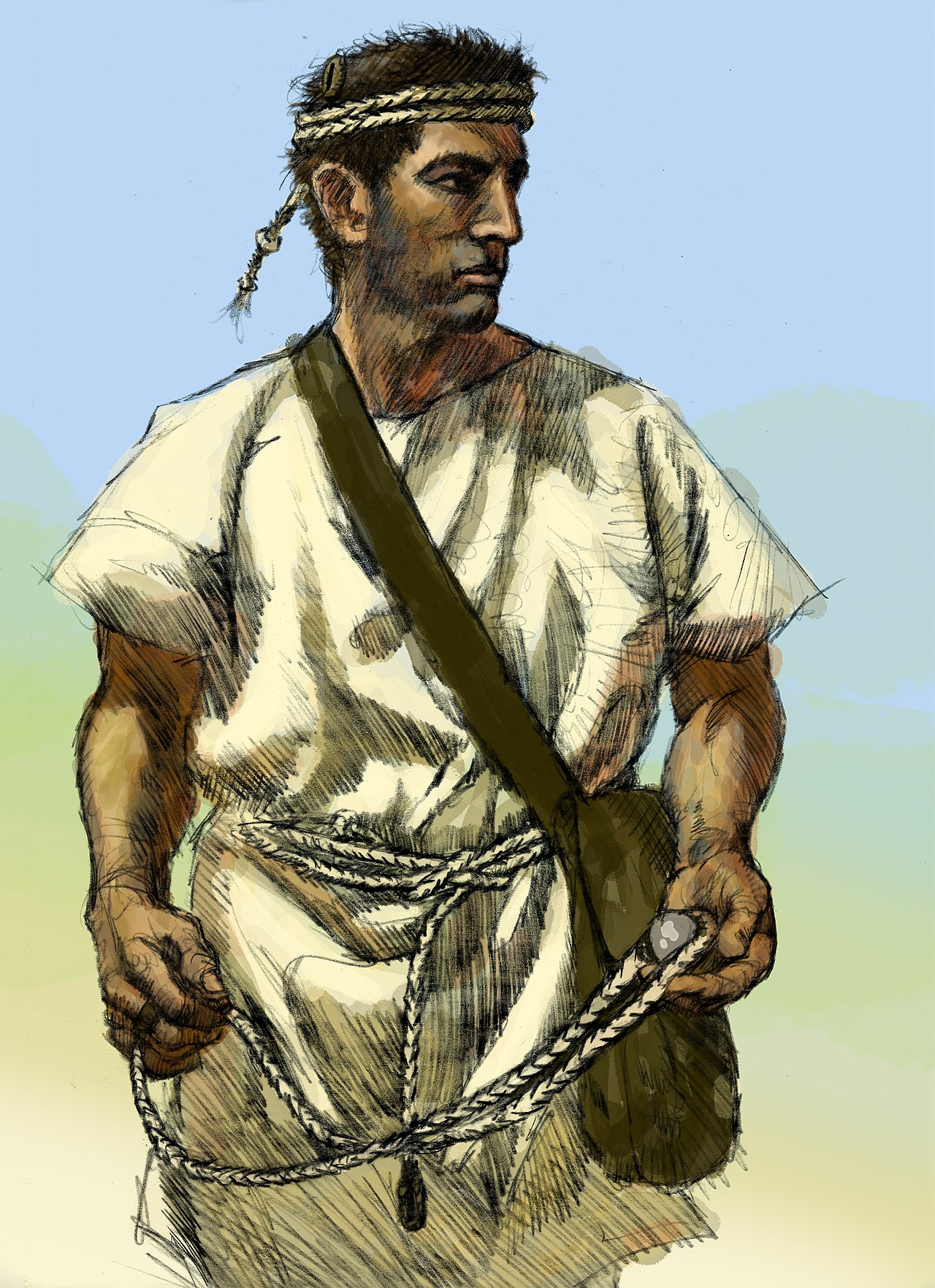
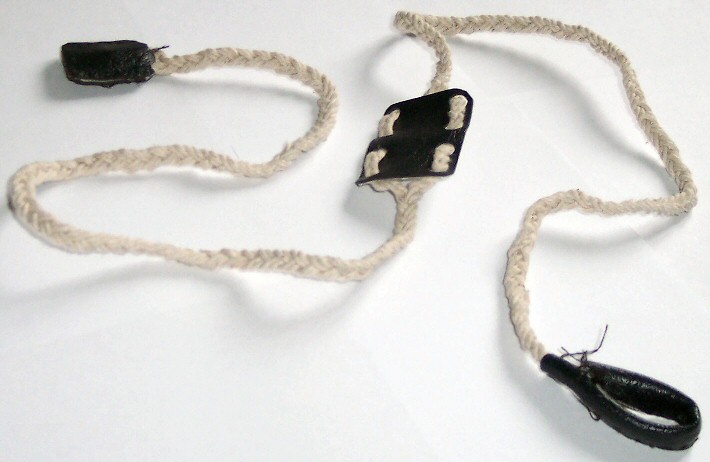
A sling is a basic ranged weapon that accelerates a projectile by swinging a pouch attached to one or two cords and releasing one cord at the right moment. As a low-cost, portable device it has appeared independently in many cultures. It is still practised today as a sport and a living tradition in some regions. The sling is commonly described as a weapon that converts arm rotation into linear projectile speed.
Image gallery
10 Images




Design and operation
Typical slings consist of a small pouch to hold the missile and two cords, one of which is released to launch. Ammunition ranges from rounded field stones to purpose-made lead or clay bullets. Effective use depends on timing, rhythm and release angle: a skilled slinger can place shots with surprising accuracy at tens of metres. Maximum reach can extend well beyond close combat distances, although accuracy diminishes with range.
History and notable examples
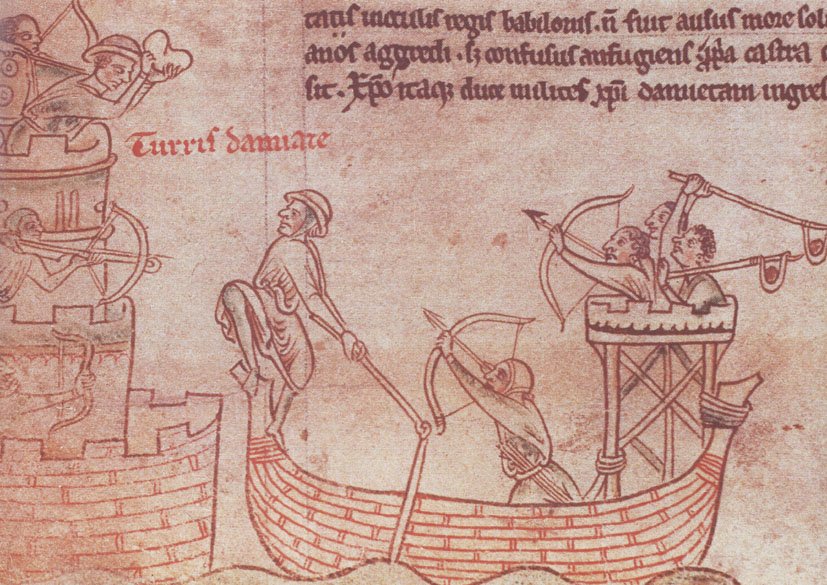
Slings are ancient, found in prehistoric contexts and widely recorded in classical sources. They were integral to many armies and communities: for example, slingers served as skirmishers in the Roman Empire. The sling also appears in literary and religious traditions; one famous episode describes David of Israel striking the giant Goliath with a stone from a sling. In later medieval conflicts, rural fighters and mercenaries used slings in the Middle Ages, including confrontations with mounted forces such as Moorish cavalry.
Uses, tactics and effectiveness
Historically slings were used for hunting, anti-personnel fire, harassment and disrupting enemy formations. They were valued for range, rate of fire and the ability to carry many projectiles. Tactically slingers operated as skirmishers: advancing, harassing, and retreating while maintaining loose formation. A strike to an exposed animal or rider could incapacitate a mount or cause chaos in cavalry ranks.
Variations, distinctions and legacy
- Types: simple hand slings, belt or Cretan slings, and staff slings (a longer lever-assisted form).
- Distinctions: slings differ from slingshots (Y-shaped frames) and mechanical artillery like catapults.
- Legacy: archaeologists find lead bullets and wear patterns on artifacts; many cultures preserve sling techniques as sport or ceremonial practice.
Modern interest
Today the sling is examined by historians, experimental archaeologists and enthusiasts. It offers insight into pre-gunpowder tactics and material culture, and continues to be a pedagogical tool for teaching ballistics, coordination and traditional craft. For further introductory material and demonstrations see sources and collections linked here: general overview, classical references, biblical account, historical context, famous episode, medieval uses, cavalry encounters.
Related articles
Author
AlegsaOnline.com Sling (weapon) — hand-thrown projectile device Leandro Alegsa
URL: https://en.alegsaonline.com/art/91116