
David — King of Israel and religious figure
David, a central figure in Jewish, Christian, Islamic and Bahá'í traditions, is remembered as a shepherd, warrior, psalmist and the founder of the Davidic line that shaped Israelite monarchy and later religious ideas.
David is one of the most prominent figures in the religious and historical traditions of the Near East. Presented in the Hebrew Bible as a shepherd who rose to become king, he features across multiple scriptures: the Old Testament narratives, the New Testament genealogies, the Qur'an, and Bahá'í writings. He is traditionally associated with the united monarchy of Israel and with the foundation of a dynastic line that bears his name.
Image gallery
10 Images
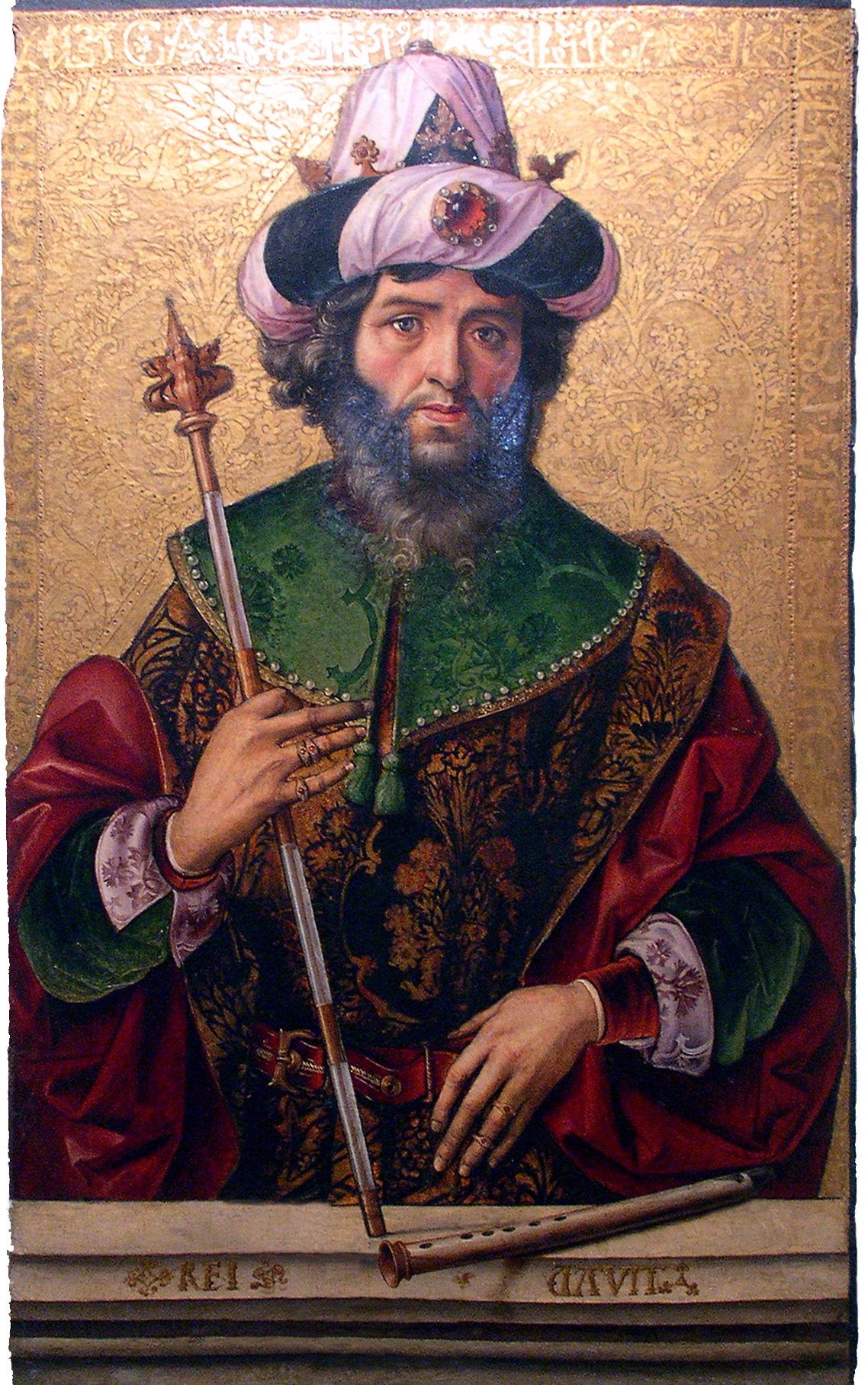


Life and reign
The biblical books of 1 Samuel and 2 Samuel describe David's early life — anointed by a prophet, famous for his victory over Goliath, a musician and poet — and his later rule from a capital established at Jerusalem. As king he is portrayed as a military leader and state-builder whose reign is conventionally dated to the 10th century BCE in many historical reconstructions, though scholarly views vary.
David is often called the archetypal king: a unifier of the Israelite tribes and the progenitor of the royal house. He is named as the father of Solomon and credited with initiating a dynasty that became central to Israelite identity and messianic expectations.
Religious significance and sources
Beyond historical narratives, David is revered as the attributed author of many of the Psalms, which shaped Jewish and Christian worship. In Christianity he is cited in genealogies as an ancestor of Jesus. Islamic scripture acknowledges him as a prophet and righteous ruler, and Bahá'í texts discuss him within a broader religious history (Bahá'í). His kingship is also referenced simply as king of Israel in many traditional accounts.
Archaeological and epigraphic evidence related to David is debated; an inscription often called the Tel Dan Stele is cited by many scholars as possible external reference to the "House of David," which some see as support for a historical dynasty, while others urge caution about how the biblical stories are used as straightforward history.
Notable aspects:
- Roles: shepherd, warrior, psalmist, monarch.
- Main textual sources: 1–2 Samuel, Psalms, New Testament accounts, the Qur'an, and Bahá'í writings (Bahá'í).
- Dynasty: founder of the Davidic line and father of Solomon.
- Legacy: central to liturgy, art, political symbolism and messianic thought across religions.
- Modern study balances theological portrayals with archaeological and textual analysis.
For further reading on his role as a historical and religious figure see traditional scriptural accounts and contemporary scholarly discussions about the kingdom of Israel and the meaning of the Davidic covenant in later religious thought.
Questions and answers
Q: Who was David?
A: David was an important King of Israel.
Q: Where is he mentioned?
A: He is described in the Qu'ran, Bahá'í scripture and the Old Testament books of 1 Samuel and 2 Samuel.
Q: Who was his son?
A: His son was King Solomon.
Q: Was he related to Jesus?
A: Yes, he was an ancestor of Jesus.
Q: What books does the Old Testament mention him in?
A: He is mentioned in 1 Samuel and 2 Samuel.
Q: Is there any other religious text that mentions him? A: Yes, he is also mentioned in the Qu'ran and Bahá'í scripture.
Related articles
Author
AlegsaOnline.com David — King of Israel and religious figure Leandro Alegsa
URL: https://en.alegsaonline.com/art/117208
Sources
- chfreedman.blogspot.com : The Maharal of Prague's Descent from King David
- davidicdynasty.org : Davidic genealogy links