
Sniper (marksman)
A sniper is a precision shooter trained to engage selected targets at long range using specialized rifles, optics, camouflage and fieldcraft. Roles include military, law enforcement, hunting and competitive long‑range shooting.
Overview
A sniper is a shooter trained to identify, observe and engage specific targets at extended ranges with a high degree of precision. In military operations the target is often an enemy combatant or a high‑value objective; in law enforcement snipers support hostage rescue, counter‑sniper tasks and other critical incidents for SWAT teams. Civilian applications include experienced hunters and competitive long‑range shooters. Effective sniping combines marksmanship, optics use, concealment, observation and discipline.
Image gallery
10 Images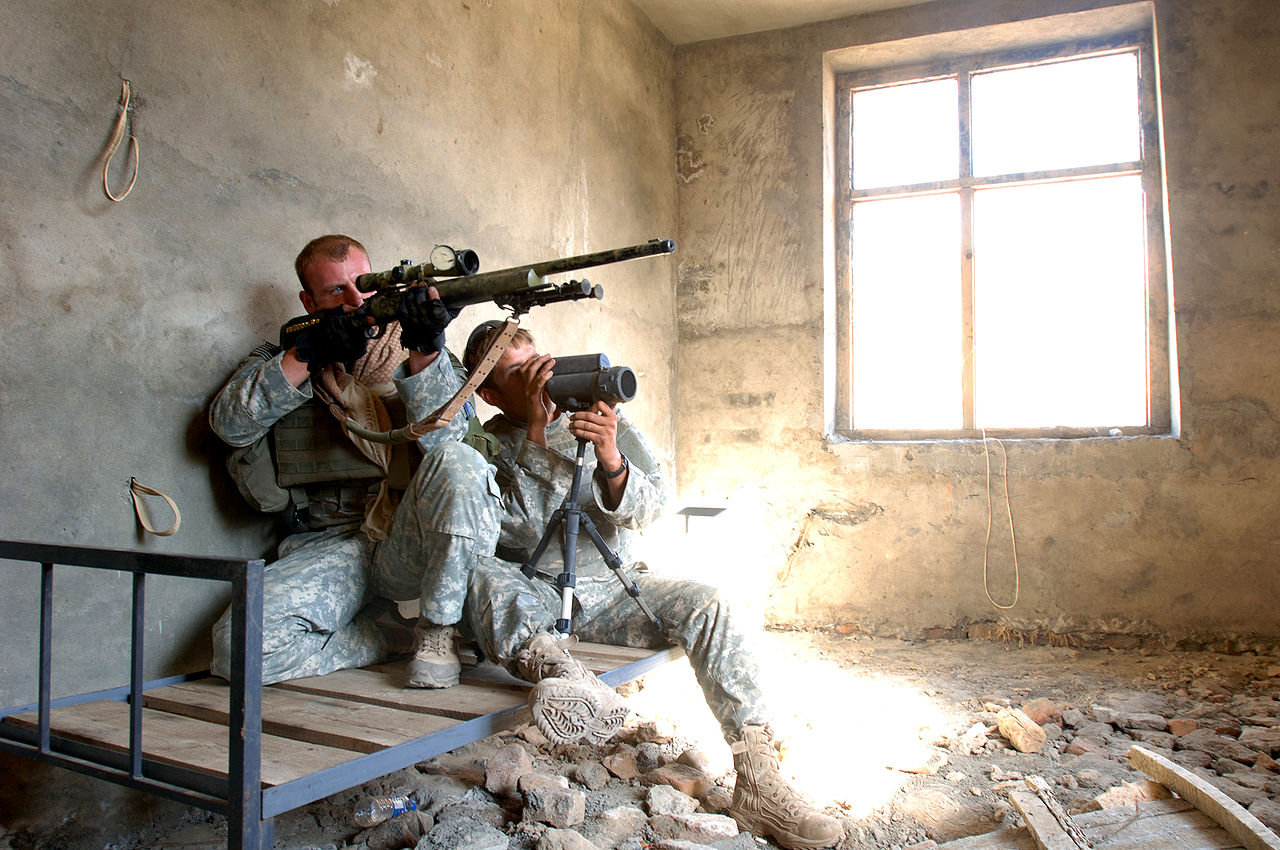




Equipment and optics
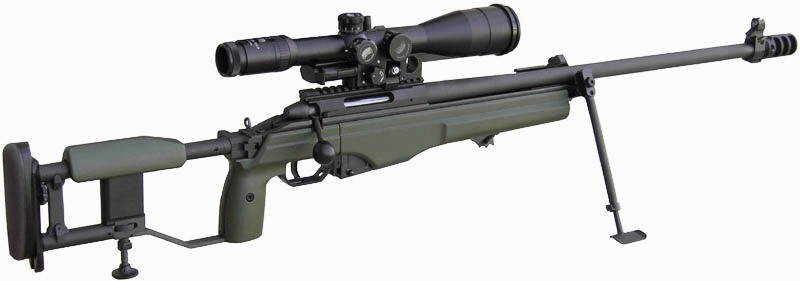
Specialized equipment extends a sniper's effective range and improves first‑shot probability. Typical items include a purpose‑built sniper rifle, matched ammunition, and precision sights. A telescope or spotting device—often called a telescope or specifically a sniper scope—is used to detect targets, estimate range and apply holdovers or adjustments. Additional gear commonly includes rangefinders, ballistic calculators, spotting scopes, communication radios and stabilization equipment.
Concealment and fieldcraft
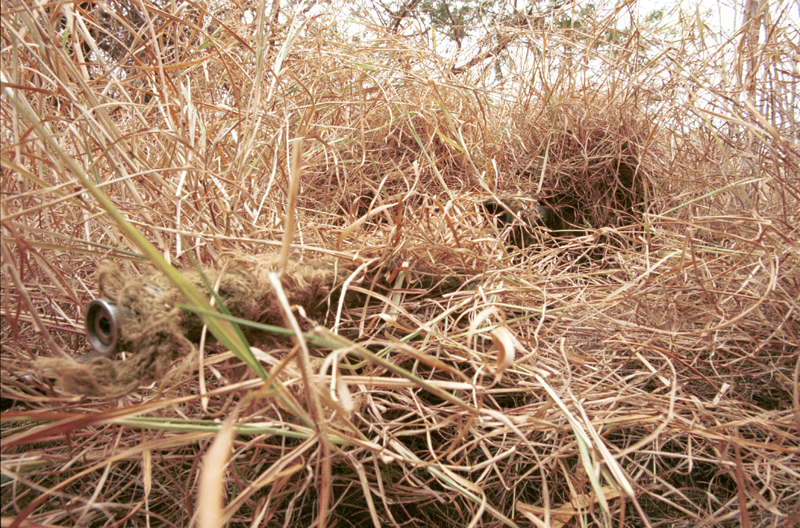
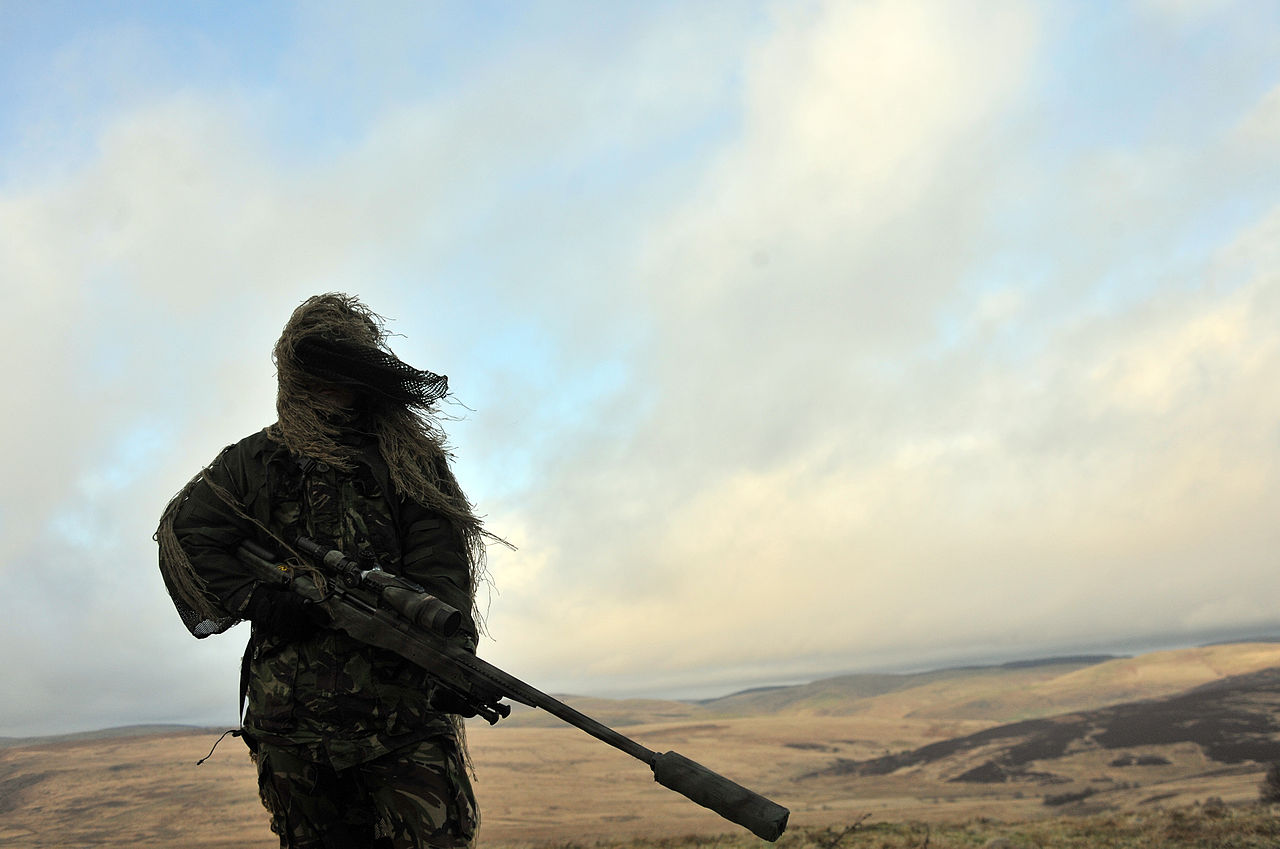
Concealment and stealth are central to sniper work. Operators use natural cover, constructed hides and clothing to blend with the environment. Military camouflage principles and garments such as a camouflage pattern or a ghillie suit help break up the human outline and reduce detection. Fieldcraft also covers silent movement, selection of firing positions, observation post establishment and exfiltration planning.
Training, teamwork and roles
Training covers precision shooting fundamentals, wind and range estimation, observation and target detection, camouflage, and mission planning. Snipers frequently operate in two‑person teams: a shooter and a spotter. The spotter assists with observation, wind calls, rangefinding and target identification while the shooter concentrates on aiming and firing. Other team roles can include overwatch, reconnaissance, target interdiction and counter‑sniper operations.
Ballistics and environmental considerations
Long‑range shooting requires careful attention to external ballistics. Gravity, wind, temperature, altitude and humidity all alter a projectile's path and must be estimated or measured. Visual effects such as mirage and light refraction can mislead range and aim, so snipers use observations from a spotting scope or instruments to refine solutions. Proper ammunition selection and knowledge of ballistic coefficients are important to predict trajectory reliably.
History and etymology
The word "sniper" derives from the hunting of the snipe, a small, elusive bird that required skilled marksmanship to shoot. As rifles, optics and ammunition improved in the 19th and 20th centuries, armed forces formalized the role of specialist sharpshooters. Over time both military and police organizations developed dedicated training, doctrine and equipment suited to the tactical and ethical demands of precision engagement.
Distinctions and civilian roles
Not all skilled shooters are called snipers. The terms "sniper" and "marksman" can overlap but are used differently by organizations; some police units use the term "marksman" for their trained sharpshooters while military forces commonly apply "sniper" to specialists with advanced fieldcraft and reconnaissance duties. Civilian hunters and sport shooters share techniques with professional snipers but operate under different legal, safety and ethical constraints.
Legal, ethical and operational considerations
Use of precision force carries legal and moral responsibilities. Rules of engagement, national law and departmental policies define when and how force may be applied. Minimizing collateral harm, positive identification of targets and adherence to lawful orders are essential. Training also addresses psychological resilience, accountability and after‑action reporting.
Further reading and resources
For detailed information on weapons and optics consult specialized material on sniper rifles, ballistics guides and optics references for sniper scopes and spotting instruments. Practical fieldcraft and concealment techniques are covered in manuals on camouflage and in guides to making and using a ghillie suit. Civilian resources for safe shooting practices are available to hunters and long range shooters, while law enforcement doctrine and tactical publications describe the roles of SWAT and specialized units. Military doctrine and historical studies discuss engagement of hostile forces and observation methods for trained personnel operating against an identified adversary.
Related topics include optics and sighting systems, external ballistics, stealth movement and tactical teamwork. Practical competence requires sustained training, a disciplined approach to safety and an understanding of the legal and ethical framework that governs the use of deadly force.
Questions and answers
Q: What is a sniper?
A: A sniper is a person who is trained to shoot perfectly at things that are very small or very far away, usually an enemy.
Q: What type of gun do snipers use?
A: Snipers typically use a special type of gun called a sniper rifle.
Q: How do snipers help them see their target?
A: Most sniper rifles have a telescope called a sniper scope to help the sniper see the target.
Q: How do snipers hide from their targets?
A: Snipers are trained to be stealthy and may hide or use military camouflage such as a ghillie suit that looks like (and may include some of) the surrounding foliage so that it is hard for the enemy to see them.
Q: What other name can be used for snipers?
A: Snipers are also called "marksmen". Experienced hunters often share many of the skills that long range shooters need to know, making the two jobs very similar.
Q: Where did the word "sniper" come from?
A: The word "sniper" came from Britain when highly accurate shooters would hunt–also known as "snipe"–birds that were very hard to see and shoot.
Q: Are there police snipers?
A: Yes, many police departments have snipers on their SWAT teams. Because police snipers do not always perform the same tasks as military snipers, they are sometimes known as "marksmen".
Related articles
Author
AlegsaOnline.com Sniper (marksman) Leandro Alegsa
URL: https://en.alegsaonline.com/art/91322
Sources
- etymonline.com : "Online Etymology Dictionary - Snipe"
- cbsnews.com : "The Sniper, SWAT Teams Grow In Number"
- hyperphysics.phy-astr.gsu.edu : Hyperphysics, by Georgia State University
- thesun.co.uk : "Matt's Shot in a Million"
- theoutdoorwriter.com : The Heavy Bullet Advantage
- library.med.utah.edu : University of Utah Medical Library
- globalsecurity.org : "Global Security: Sniper Rifles"
- usmcweapons.com : "USMC M16 range qualifications"
- sinodefence.com : "QBU88"
- army.forces.gc.ca : "Top Shot Long Range Sniper Weapon"
- gizmodo.com : "Badass Sniper Cleanly Shoots the Gun Out Of A Crazy Mans Hand"
- world.guns.ru : "Modern Firearms - Sniper Rifles - Intro"
- militaryfactory.com : "M110 Semi-automatic Sniper System"
- science.howstuffworks.com : How Stuff Works: Military Camouflage
- ghilliesuitsonline.com : Ghillie history at ghilliesuitsonline.com