
Barrel: container, unit of measure, history and uses
A barrel is a traditional cylindrical container for liquids and dry goods, usually wooden or metal; it also denotes several standard measures (notably the 42‑gallon oil barrel) and has long cultural and industrial roles.
A barrel is a stout, usually cylindrical vessel used for storing and transporting liquids and some dry goods. The English term has old roots and is associated with the craft of coopering; see word origin and coopering. Barrels are commonly made from wood, metal or plastic, and hold a wide range of contents such as petrol, beer, wine and oil. Their form and finish vary with purpose: some are intended for transport and storage, others for aging and flavor development.
Image gallery
10 Images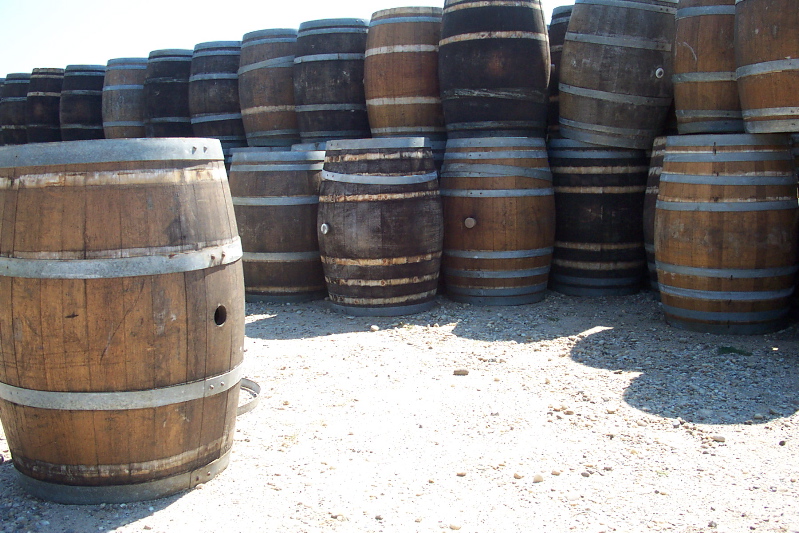



Structure and common types
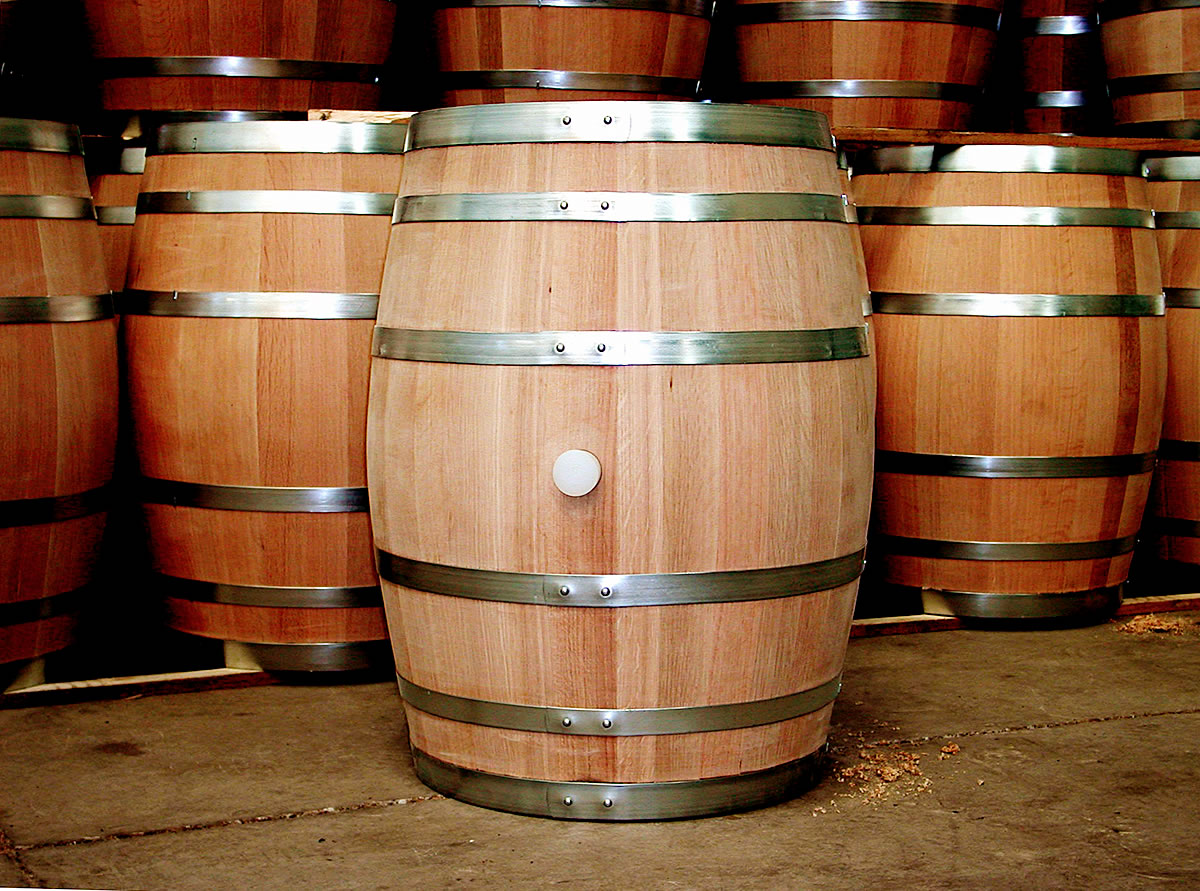
Traditional wooden barrels are built from curved staves held by metal hoops, with two heads (ends) and a bung or spigot for filling and emptying. Variants include casks, butts, hogsheads, tuns and kegs; terminology and standard sizes differ by region and by commodity. Modern industrial equivalents include metal drums used in chemicals and oil, and plastic barrels for lightweight, corrosion-resistant storage.
Materials and effects on contents
Wooden barrels, especially those made from oak, are prized in beverage production because the porous wood and its chemical compounds impart desirable flavors and allow controlled oxygen transfer. Producers age wine, whisky and some beers in oak to develop aroma, color and texture; cooperage practice also varies features such as toasting or charring to influence character. Metal drums prioritize durability and impermeability for industrial liquids, while plastic containers are light and resistant to rust.
History and craft
Coopering (the craft of making barrels) is an ancient skilled trade that became important for maritime commerce because barrels are strong yet could be rolled and stowed efficiently. Their rounded shape resisted crushing under cargo loads and they could hold liquids or dry goods for long voyages. Barrels displaced many earlier containers and were central to storage and trade for centuries.
Uses in food, drink and industry
Barrels serve several roles: bulk storage and transport, controlled aging for beverages, and convenient handling in warehouses. Winemakers and distillers select barrel size, oak type (for example American versus European oak), and surface treatment to achieve particular results. Breweries sometimes use barrels for specialty beers. Outside food and drink, barrels and drums are widely employed for oils, chemicals and fuels.
Barrel as a unit of measure
Beyond the physical object, "barrel" also denotes standardized volume units that vary by commodity and country. In the petroleum industry a barrel commonly means 42 US gallons, abbreviated "bbl", a convention that traces to early American oil production in regions such as the Pennsylvanian fields and later use in places like West Virginia. That quantity equals about 158.987 litres or 42 US gallons, and the term has remained the reference unit for production, trading and pricing even though crude oil is seldom moved today in literal wooden barrels. The word "barrel" also appears in other historical measures—for example, a barrel of flour was often defined as about 196 pounds—so context matters when the term is used.
Standardization and modern context
- Materials: wood imparts flavor; metal offers strength and impermeability; plastic reduces weight and corrosion.
- Function: aging and flavor development in beverages versus bulk transport and containment in industry.
- Measurement: "barrel" may refer to different volumes depending on commodity; the petroleum barrel is the best-known standard measure (standard measure).
Today barrels persist both as practical containers and as cultural symbols of storage, maturation and trade. From the cooper's workshop to modern logistics and commodity markets, the barrel connects a traditional craft to contemporary industrial systems. For further reading about coopering techniques, historical sizes and regional terms see resources on craft history and standards noted in specialized literature and guides (cooperage, measurement standards).
Questions and answers
Q: What is a barrel?
A: A barrel is a container that holds liquids such as petrol, beer, wine, and oil.
Q: What materials are barrels made of?
A: Barrels are most commonly made of either wood or metal, but many are now made of plastic.
Q: What is the use of barrels in the aging process of wine and other beverages?
A: Barrels are used to age wine as well as other beverages like whisky and beer. Most of those are made of oak wood.
Q: How much is one barrel of oil?
A: One barrel of oil is 158.987 liters or 42 US gallons.
Q: Why is the term "bbl" used for the measurement of one barrel of oil?
A: The term "bbl" is used for the measurement of one barrel of oil because the early Pennsylvanian oil fields used wooden barrels to store and move oil around. Later, in 1866, people in West Virginia started using the term regularly and set the amount to 42 American gallons.
Q: Is oil commonly stored and transported in barrels today?
A: No, oil is rarely stored or transported in actual barrels today. However, the term "barrel" is still used to mean a 42-gallon measurement.
Q: Can a barrel be used to measure dry goods?
A: Yes, a barrel can also be used to measure dry goods. For example, a barrel can mean 196 pounds (about 89 kilograms) of flour.
Author
AlegsaOnline.com Barrel: container, unit of measure, history and uses Leandro Alegsa
URL: https://en.alegsaonline.com/art/9095