
Oak (Quercus): characteristics, uses, ecology and cultural role
Overview of the oak (genus Quercus): species, appearance, life cycle, wood and uses, ecological importance, history, and notable distinctions including live oaks and acorns.
Overview
Oaks belong to the genus Quercus, a group of trees and shrubs with roughly six hundred recognized species distributed across the temperate and subtropical regions of the Northern Hemisphere. Oaks vary from compact shrubs to large canopy trees and are familiar for their robust form, lobed or toothed leaves, and characteristic fruits known as acorns. The term "oak" sometimes appears in common names of related genera as well.
Image gallery
10 Images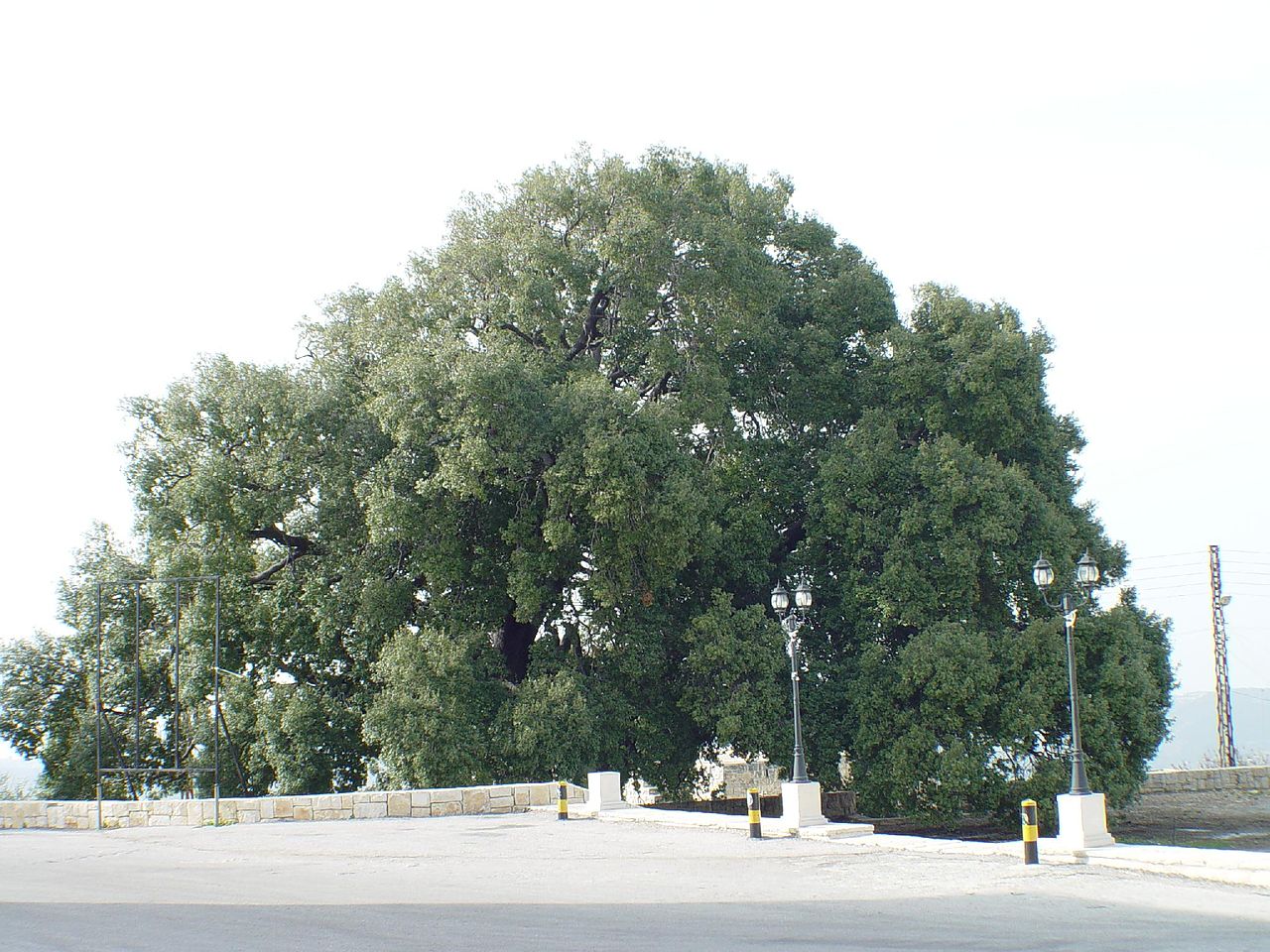


Physical characteristics
Leaves are typically arranged spirally and show a wide range of shapes: many species have lobed margins, others have serrated edges, and some retain entire, smooth leaves. Many temperate oaks are deciduous but often hold onto dead leaves until new growth in spring; other species, commonly called "live oaks," are evergreen. Oaks are monoecious: male flowers are produced as hanging catkins while small female flowers develop in the leaf axils and mature into single-seeded nuts.
Fruit, growth and longevity
The familiar oak fruit is an acorn — a single-seeded nut partially enclosed in a cupule. Acorn development time varies by species, typically taking several months to over a year to ripen. Oaks are generally slow-growing and long-lived: many individuals survive for several centuries, and some notable trees approach or exceed a millennium under favorable conditions. Their wood is classified as hardwood and can be dense and durable.
Ecology and importance
Oaks often dominate temperate forest communities and can form long-lasting woodland types where they are the climax species. They provide food and habitat for numerous mammals, birds, insects and fungi: acorns feed deer, rodents and jays; cavities in older trees shelter nesting birds and bats; and oak leaves support specialist caterpillars and a rich fungal community. Oaks play key roles in soil stabilization, carbon storage and landscape structure.
Uses and cultural significance
Oak wood has been prized for shipbuilding, carpentry and furniture-making because of its strength, grain and resistance to decay when properly treated. Historically, large oak stands supplied timber for boats and construction; this demand has shaped human land use and led to selective harvesting. Oaks also feature prominently in folklore, heraldry and national symbolism across many cultures.
Conservation, management and distinctions
Many oak species face pressures from habitat loss, intensive forestry, invasive pests and changing climates. Conservation efforts include protecting veteran trees, restoring mixed-age woodlands and encouraging natural regeneration. Important distinctions within the genus include the broad groups often referred to as white oaks and red/black oaks, which differ in leaf morphology, acorn maturation time and wood chemistry, and the ecological category of "live oaks," which denotes evergreen habits found in several unrelated oak lineages.
Key features at a glance
- Genus: Quercus; about 600 species noted in botanical accounts.
- Leaves: spirally arranged, shapes ranging from lobed to entire.
- Reproduction: monoecious, male catkins and female flowers; fruit = acorn.
- Wood: hardwood, historically important for construction and furniture.
- Ecological role: keystone in many temperate ecosystems, high biodiversity value.
Further reading and references
- Tree or shrub overview
- Shrub forms of oak
- Genus Quercus information
- Species count and classification
- Leaf arrangement details
- Leaf morphology
- Oak fruit description
- Nut structure
- Acorn specifics
- Live oak ecology
- Taxonomic notes
- Hardwood classification
- Oak-dominated forests
- Historic land use changes
- Woodland loss and history
- Timber use in shipbuilding
- Properties of oak timber
- Furniture and joinery uses
- Softwood vs. hardwood
- Pine as a comparison
Questions and answers
Q: What is an oak tree?
A: An oak tree is a tree or shrub in the genus Quercus, with about 600 living species.
Q: What type of leaves do oaks have?
A: Oaks typically have spirally arranged leaves with rounded edges, although some may have jagged edges or smooth margins.
Q: When do deciduous species drop their dead leaves?
A: Deciduous species usually don't drop their dead leaves until spring.
Q: What kind of flowers does an oak tree produce?
A: In spring, an oak tree produces both male flowers (as catkins) and small female flowers.
Q: What is the fruit of an oak tree called?
A: The fruit of an oak tree is called an acorn and it carries one seed (rarely two or three). It takes 6–18 months to mature, depending on the species.
Q: What are "live oaks"?
A: Live oaks are evergreen trees that occur across the genus Quercus and are not a taxonomic group.
Q: How long can oak trees live for?
A: Oak trees can live up to 1000 years if left untouched by humans.
Related articles
Author
AlegsaOnline.com Oak (Quercus): characteristics, uses, ecology and cultural role Leandro Alegsa
URL: https://en.alegsaonline.com/art/71609
Sources
- species.wikimedia.org : Quercus
- eoearth.org : Oak
- backyardnature.net : "Oak flowers"
- wikidata.org : Q12004
- ville-ge.ch : 194255
- id.biodiversity.org.au : 71370
- biolib.cz : 3455
- eol.org : 32233
- gd.eppo.int : 1QUEG
- florabase.dpaw.wa.gov.au : 48314
- efloras.org : 127839
- efloras.org : 127839
- flora.org.il : quercus
- fossilworks.org : 54594