
Gallon (unit of volume)
A gallon is a non‑SI unit of liquid volume with several historical forms. Today the U.S. liquid gallon and the imperial gallon remain in common use; both differ in size and application.
The gallon is a traditional unit of volume used to measure liquids. It is not part of the International System of Units (SI) and has existed in multiple regional forms. In modern practice two principal gallons are in regular use: the U.S. liquid gallon and the imperial gallon.
Image gallery
5 Images


Definitions and common values
The two common definitions are:
- U.S. liquid gallon: defined as 231 cubic inches, approximately 3.78541 liters.
- Imperial gallon: originally based on the volume of 10 pounds of water, standardized in 1824 and equal to 4.54609 liters.
History and development
Various gallons evolved from medieval trade measures for wine, beer and grain; these regional gallons differed in size and name. During the 19th century the British Imperial system formalized a single imperial gallon for use across the United Kingdom and its empire. The United States retained older customary measures and continues to use the U.S. gallon for many domestic purposes.
Uses and practical importance
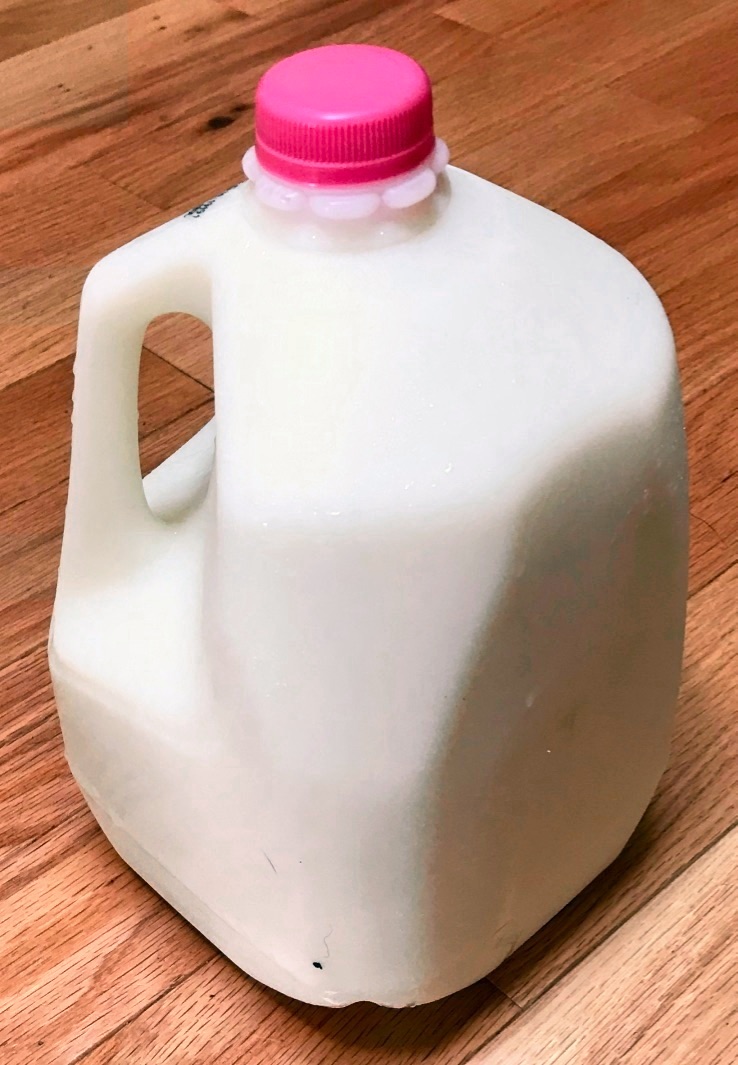
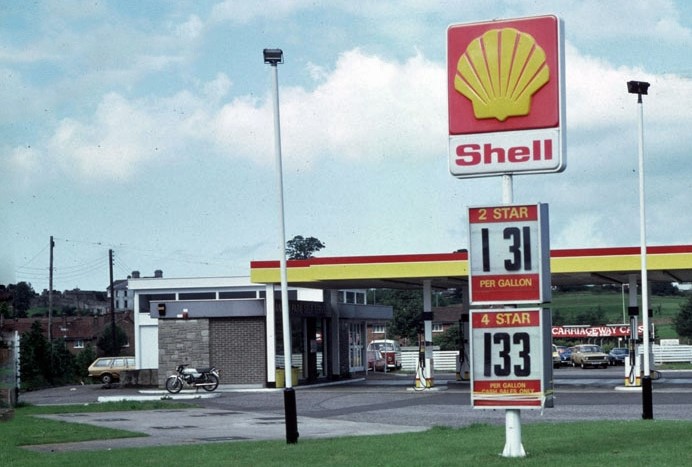
Gallons are commonly used for retail sale of fuels, milk and other liquids, and appear in specifications such as fuel economy (miles per gallon). Many countries that once used gallons have adopted the liter for official commerce, but gallons persist in everyday use in some places.
Distinctions and conversion
Because the two gallons differ by nearly 20%, it is important to note which gallon is meant. For conversions consult reliable references or conversion tables: see general information on measurement systems when comparing volumes. The abbreviation generally used is gal.
Other related measures include the U.S. dry gallon (seldom used) and various historical gallons once applied to particular commodities. For legal, commercial, or scientific work the exact definition and conversion should always be specified.
Related articles
Author
AlegsaOnline.com Gallon (unit of volume) Leandro Alegsa
URL: https://en.alegsaonline.com/art/37330