
Skirmisher (military role)
Skirmisher: light troops deployed ahead or on the flanks of a main force to screen, scout, harass, delay, and disrupt the enemy. Overview, tactics, history, and notable examples across eras.
A skirmisher is a light combatant sent forward of, or to the sides of, a main formation to perform screening, reconnaissance and harassment tasks. Historically the term describes a soldier operating in loose order to harass or probe an opponent rather than hold a fixed front. Skirmishers move more independently than massed infantry and typically avoid direct, sustained engagements until reinforced.
Image gallery
8 Images
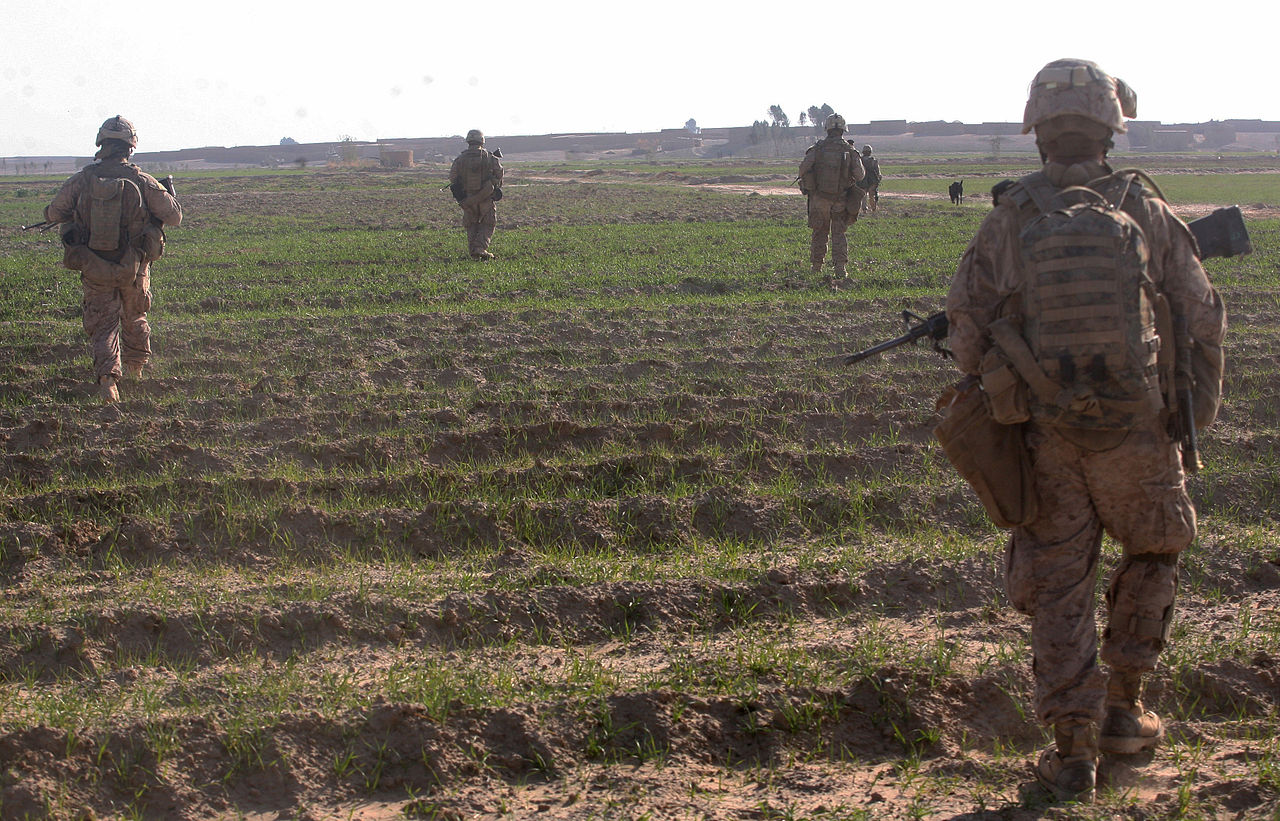


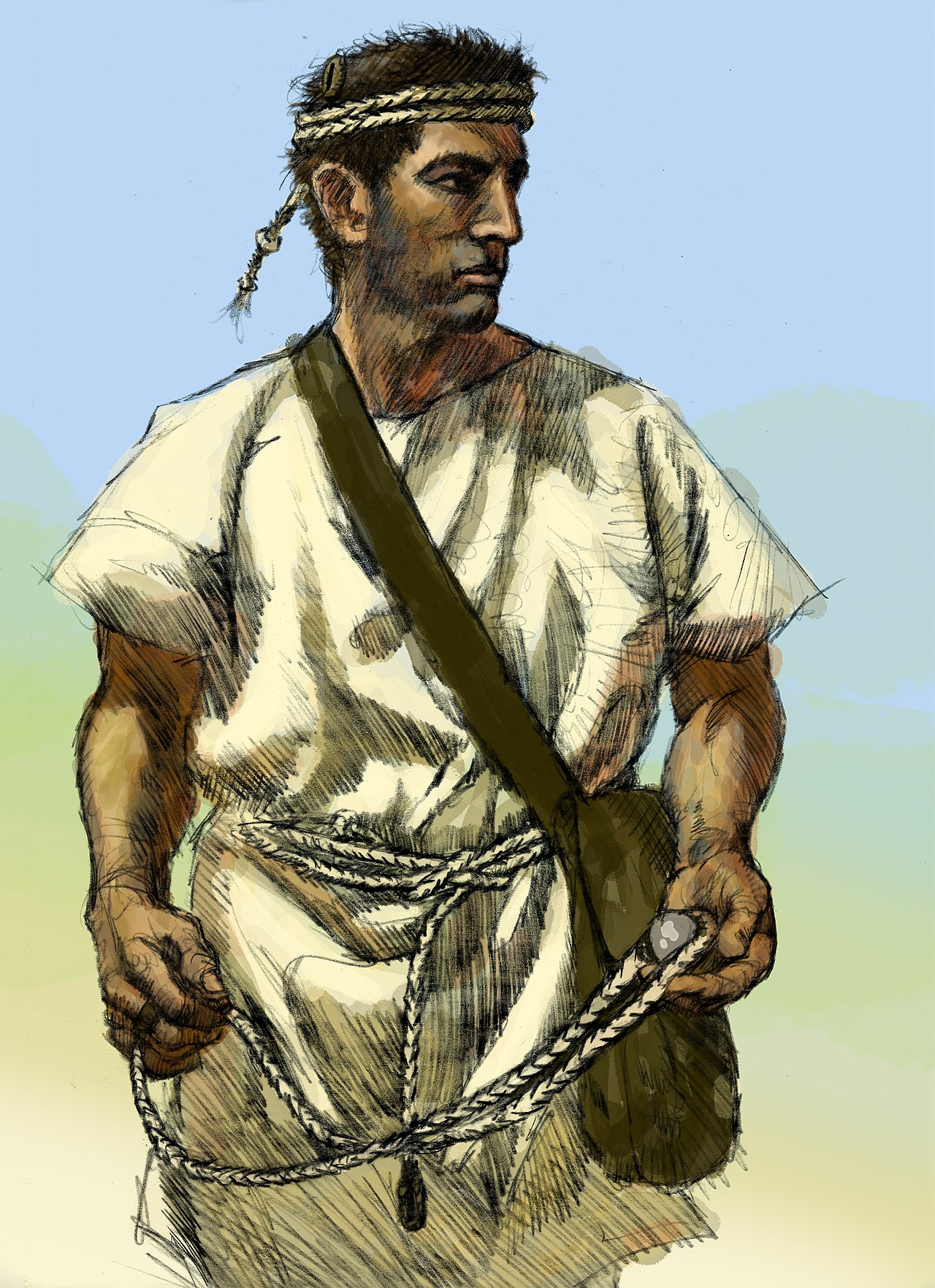
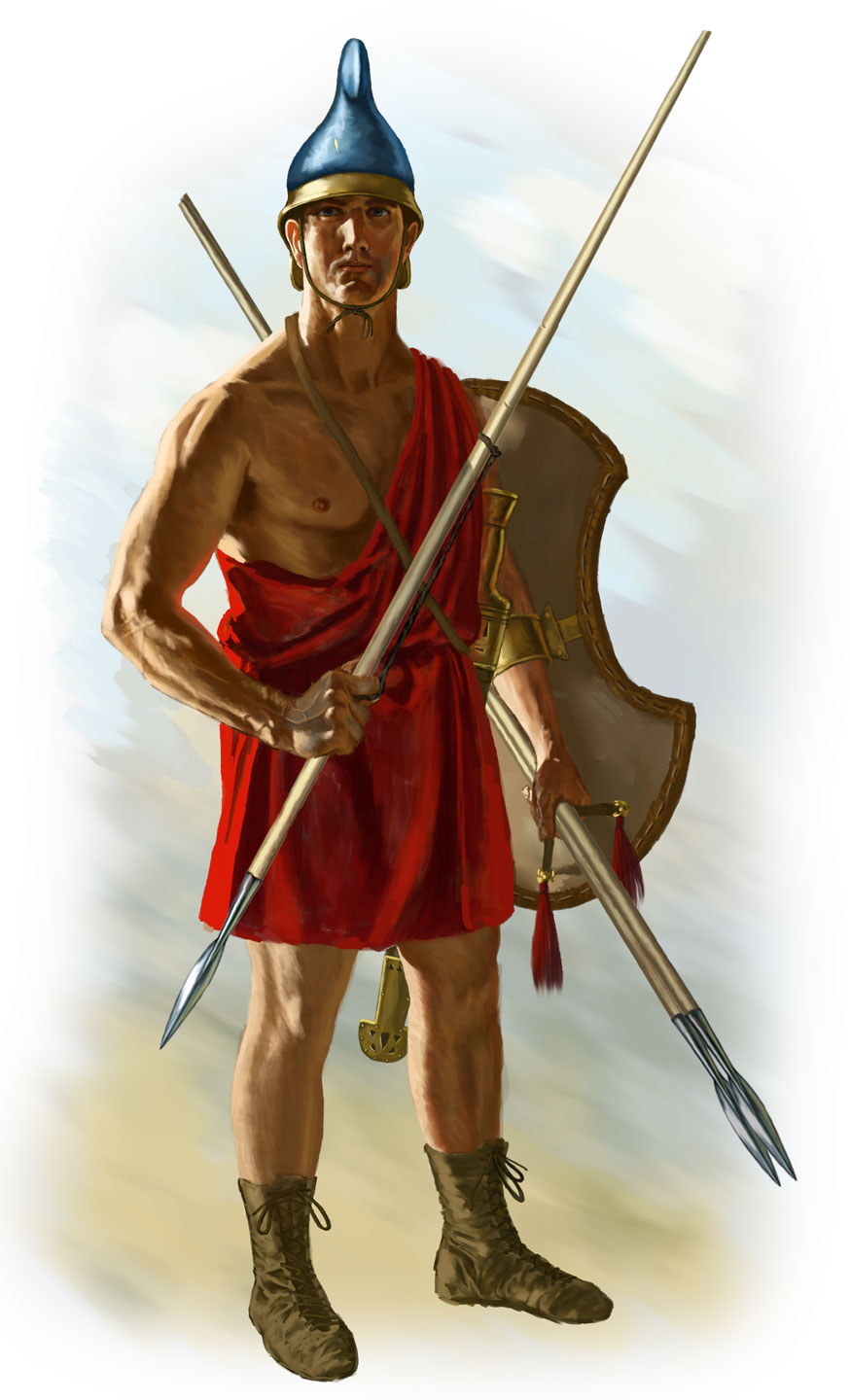

Role and characteristics
Skirmishers are valued for mobility, initiative and situational awareness. Their roles commonly include scouting, screening friendly forces from surprise attack, delaying enemy advances, and creating local pressure to disrupt formations. They often use cover, concealment and hit-and-run techniques rather than close-order volley fire.
- Primary missions: reconnaissance, screening, harassment, and delaying actions.
- Typical armament: light firearms, rifles, javelins, bows, or carbines—weapons favoring range and mobility.
- Platforms: both light infantry and mounted cavalry have performed skirmishing duties.
Tactics and deployment
Skirmishers operate in loose order—small groups or a skirmish line that spreads out to cover ground and exploit terrain. They are often deployed in front of the main body as a screen, or on the flanks to guard against turning maneuvers. Tactics emphasize observation, selective engagement, and withdrawal to deny the enemy decisive contact while buying time for the main force.
History and development
The word skirmish entered English in the late medieval period to describe a small-scale fight in front of larger armies, and those who fought in such actions came to be called skirmishers. The term traces to Old French eskirmir, meaning to defend. Light troops with skirmishing roles appear in many eras: classical javelin throwers and archers, Roman velites and later peltasts, the rifle-armed light infantry of the early modern period, and the dedicated skirmish lines used in 18th–19th century warfare.
Uses, examples and notable facts
Skirmishers have been crucial in shaping battlefield outcomes by gathering intelligence and shaping the enemy’s approach. In more recent history, irregular and specialist units continue skirmishing functions in reconnaissance and special operations. A short, preliminary encounter between skirmishers and opposing forces is often called a skirmish in military literature, distinct from main-line battles.
While the tools and doctrines have evolved, the core idea remains: light, agile troops used ahead of or alongside main forces to influence the battle without committing to the massed combat that defines the principal engagement.
Questions and answers
Q: What is a Skirmisher?
A: A Skirmisher is a soldier who is usually sent ahead of a main body of troops to harass the enemy.
Q: What is the purpose of Skirmishers?
A: The purpose of Skirmishers is to either harass the enemy or prevent a surprise attack or flanking maneuver by being placed on the flanks.
Q: What is a Skirmish?
A: A Skirmish is a term first used in the 14th century, which meant a small-scale fight between two opposing forces or a preliminary battle involving troops in front of the main force.
Q: What is the origin of the word Skirmish?
A: The word Skirmish comes from the Old French eskirmir "to defend".
Q: Who were Skirmishers usually?
A: Skirmishers were usually infantry or cavalry soldiers who formed a skirmish line ahead or next to friendly troops.
Q: When were Skirmishers used?
A: Skirmishers were commonly used in battles and wars throughout history.
Q: What was the role of Skirmishers in battles?
A: The role of Skirmishers in battles was to engage the enemy, cause distractions, and gather intelligence about the enemy.
Related articles
Author
AlegsaOnline.com Skirmisher (military role) Leandro Alegsa
URL: https://en.alegsaonline.com/art/90945
Sources
- thefreedictionary.com : "skirmish"
- twcenter.net : "Skirmishers of 19Th Century and American Civil War"
- civilwarhome.com : "Definitions of Civil War Terms"
- mvep.org : "Skirmish Doctrine"
- johnsmilitaryhistory.com : "Civil War Tactics in Perspective"