
Silphium: the lost seasoning and resin of ancient Cyrene
Silphium was a prized plant and resin in the ancient Mediterranean, especially Cyrene; its exact identity is uncertain and it may be extinct. This article outlines its uses, history, and legacy.
Overview
Silphium (also called silphion, laserwort, or laser) was a plant prized in antiquity for its aromatic resin and its medicinal uses. It is best known as a major export of the Greek city of Cyrene and appears frequently on that city’s coinage. Ancient writers described its resin under names such as laser or laserpicium, highly valued both as a culinary seasoning and as a remedy. Modern scholars continue to debate the plant’s precise botanical identity and whether the original species still survives.
Image gallery
6 Images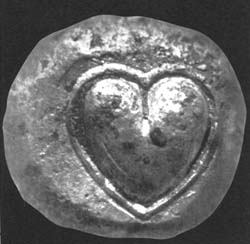



Identification and botanical relatives
The true species behind silphium is not definitively known. Many authorities propose a member of the genus Ferula, a group of umbelliferous plants that produce pungent resins. Some suggestions point to plants similar to extinct or rare regional Ferula species; others compare its properties to the resinous gum of living relatives such as Ferula species still used today. Asafoetida, a resin from related Ferula plants, is widely recognized as a later substitute and remains available in markets.
History, origin and economic importance
Silphium was intimately linked to the economy of Cyrene in North Africa. The plant’s resin was a chief article of trade and appears on many Cyrenean coins, attesting to its commercial importance. Ancient sources and local traditions credited the plant with legendary origins and divine favor; some accounts associated it with the god Apollo. Classical authors repeatedly noted its high value, with Roman writers likening its worth to valuable coinage such as a denarius.
Uses and reputation
Silphium was used both as a flavoring and as a medicinal substance. Culinary recipes and anecdotes from antiquity mention it as a seasoning prized for its aroma and taste. Medical writers recommended it for a range of ailments; later authorities attributed contraceptive and abortifacient properties to the resin, though ancient descriptions are varied and modern assessment must be cautious. Its combined culinary and therapeutic use made it an item of cultural as well as economic importance across Mediterranean societies.
Substitutes, decline and legacy
Over time silphium became scarce, and other resins such as asafoetida were used as less costly alternatives. Ancient records suggest that overharvesting, habitat change, or climatic shifts contributed to its decline near Cyrene. Whether any wild populations persisted, gave rise to cultivated forms, or ultimately vanished is a matter of scholarly debate; some sources describe it as effectively extinct in historical times. The plant’s memory persisted in literature, coin imagery, and regional iconography.
Notable facts and cultural traces
- Silphium’s resin had several names in antiquity; the common labels include laser and laserpicium.
- Its prominence is reflected beyond Cyrene: Egyptian and Minoan scripts and symbols appear to reference silphium in some contexts, indicating a wider cultural reach (Egyptian records, Minoan inscriptions).
- Scholars continue to examine literary descriptions, coin imagery and botanical analogues—such as classical sources and modern field comparisons—to clarify its identity.
While certain details remain uncertain, silphium’s role as a luxury seasoning and medicinal resin is well attested. Its economic prominence in Cyrene and lingering presence in ancient literature make it a notable example of how a single plant product could shape trade, culture and myth in the Mediterranean world. For further study, see numismatic and botanical investigations that reference the plant’s iconography and proposed relatives (coin studies, botanical research, glyph records, Roman accounts, classical compilations, Ferula literature).
Questions and answers
Q: What was silphium used for in classical antiquity?
A: Silphium was used as a seasoning and as a medicine.
Q: Where was silphium primarily traded from?
A: Silphium was primarily traded from the ancient North African city of Cyrene.
Q: What is the valuable product from the silphium plant?
A: The valuable product from the silphium plant is its resin, which is called laser, laserpicium, or lasarpicium.
Q: Which ancient cultures used silphium in their writing?
A: The Egyptians and the Minoan civilization of Knossos used a special glyph in their writing for the silphium plant.
Q: How did the Romans view silphium?
A: The Romans considered silphium to be "worth its weight in denarii" (silver coins).
Q: What is the origin of silphium according to legend?
A: According to legend, silphium was a gift from the god Apollo.
Q: What is another plant species that has been suggested as a possibility for silphium?
A: Ferula tingitana is another plant species that has been suggested as a possibility for silphium.
Related articles
Author
AlegsaOnline.com Silphium: the lost seasoning and resin of ancient Cyrene Leandro Alegsa
URL: https://en.alegsaonline.com/art/90437
Sources
- perseus.tufts.edu : The Histories
- perseus.tufts.edu : Description of Greece
- perseus.tufts.edu : Natural History
- ancient-coins.com : "Silphium: Ancient wonder drug?" · archive.org