
Solanales: the nightshade and morning-glory order of flowering plants
Solanales is an order of flowering plants within the asterid clade. It includes familiar food and ornamental species (nightshades, morning-glories) and is characterized by sympetalous flowers and diverse alkaloids.
Solanales is an order of flowering plants placed among the asterids. Members are part of the broader group of flowering plants and are conventionally treated together because of shared floral and chemical traits. For taxonomic overviews see relevant databases and summaries of the asterid assemblage.
Image gallery
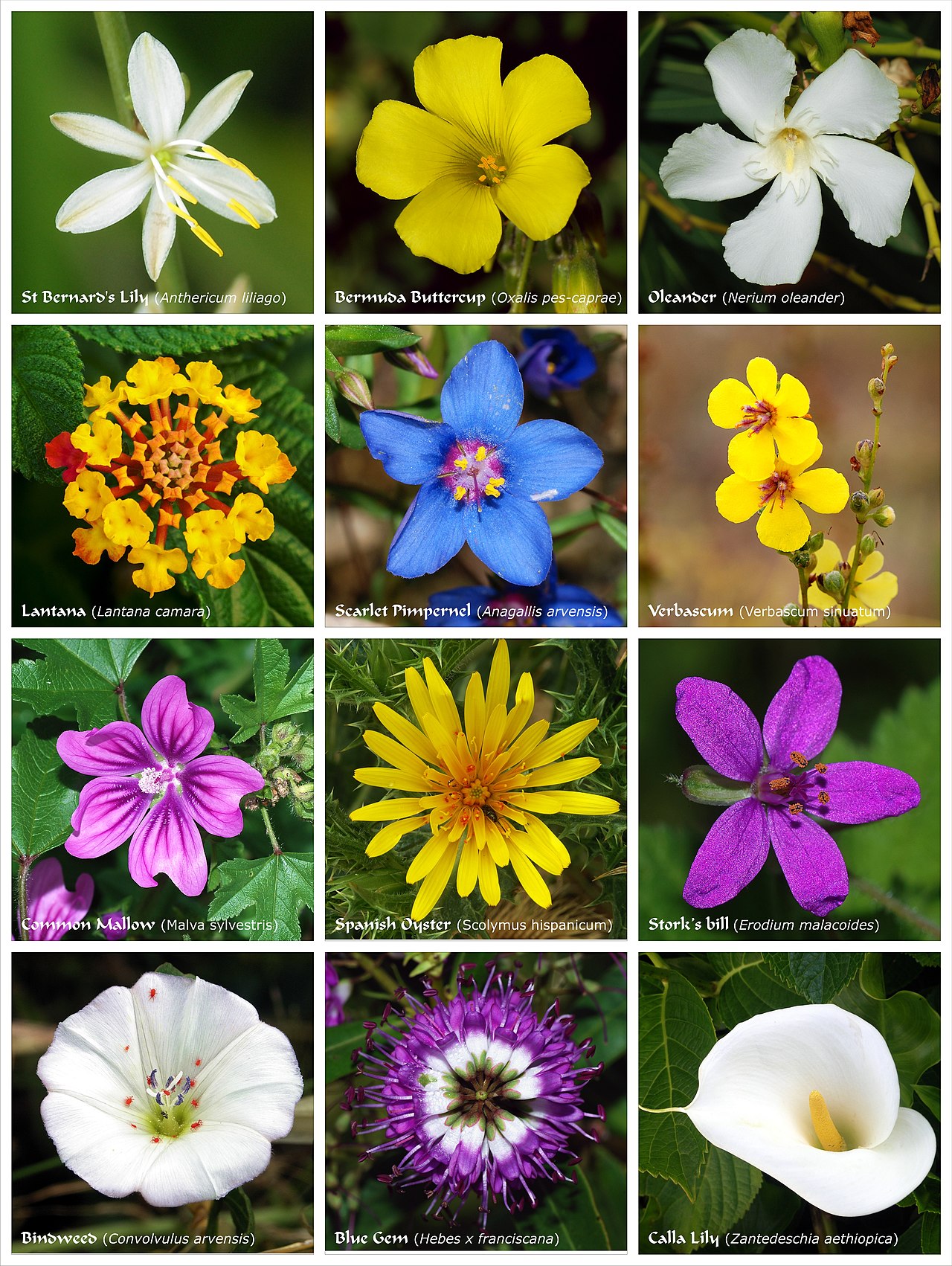
2 Images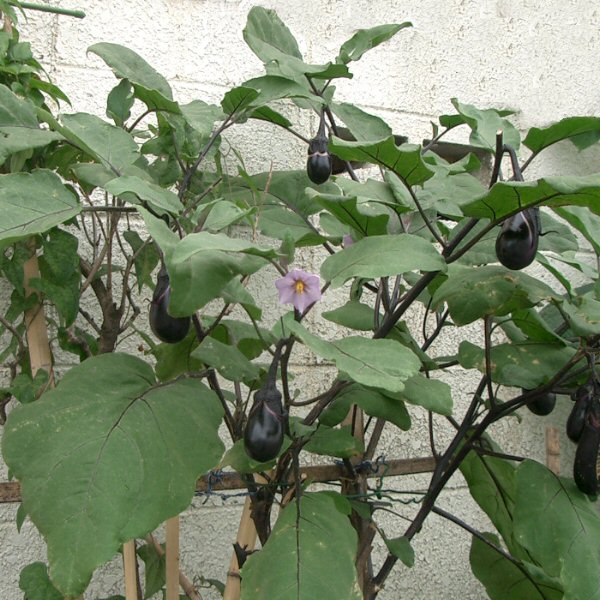
Typical characteristics
Species assigned to this order are diverse in habit: herbs, shrubs, vines and occasional trees. Flowers generally show fused petals (sympetaly), often in a five-part arrangement with five stamens. Fruit types vary and include berries and dry capsules. Many Solanales produce potent alkaloids and other secondary compounds that affect herbivores and humans.
Notable families and examples
The best-known family is Solanaceae (the nightshades), which contains key food plants such as potato, tomato, eggplant and many peppers, together with ornamentals like petunia. Convolvulaceae (the morning-glory family) includes twining vines and garden flowers. Several smaller families are also placed in Solanales in modern classifications.
Uses and significance
Plants in this order are economically important: staples and vegetables, ornamental species, and sources of medicinal or toxic compounds. Alkaloids such as nicotine, atropine and tropane derivatives occur in several genera and have both pharmacological uses and toxic effects when misused.
History and taxonomy
The circumscription of Solanales has changed with advances in molecular phylogenetics. Older systems used alternative names (for example Polemoniales in some treatments) and assigned families differently; recent classifications place a set of morphologically diverse families together on the basis of DNA evidence within the asterids.
Distinctions and further reading
- Recognize the order by its fused corolla and typical five-part floral plan.
- Differentiate Solanales from superficially similar orders by floral anatomy and chemical profiles.
- For additional taxonomic detail consult specialist floras and online resources via taxonomic portals or modern plant systematics summaries (asterid overviews).
Related articles
Author
AlegsaOnline.com Solanales: the nightshade and morning-glory order of flowering plants Leandro Alegsa
URL: https://en.alegsaonline.com/art/91625