
Silver birch (Betula pendula)
Betula pendula, the silver birch, is a slender deciduous tree native to Europe and parts of Asia; valued for its white bark, catkins, rapid colonising habit and uses from ornament to traditional crafts.
The silver birch (Betula pendula) is a deciduous tree known for its distinctive white bark and graceful, often pendulous branches. Common English names include silver birch, warty birch and European white birch. It belongs to the birch group and is widely planted and naturalised outside its native range.
Image gallery
10 Images




Description
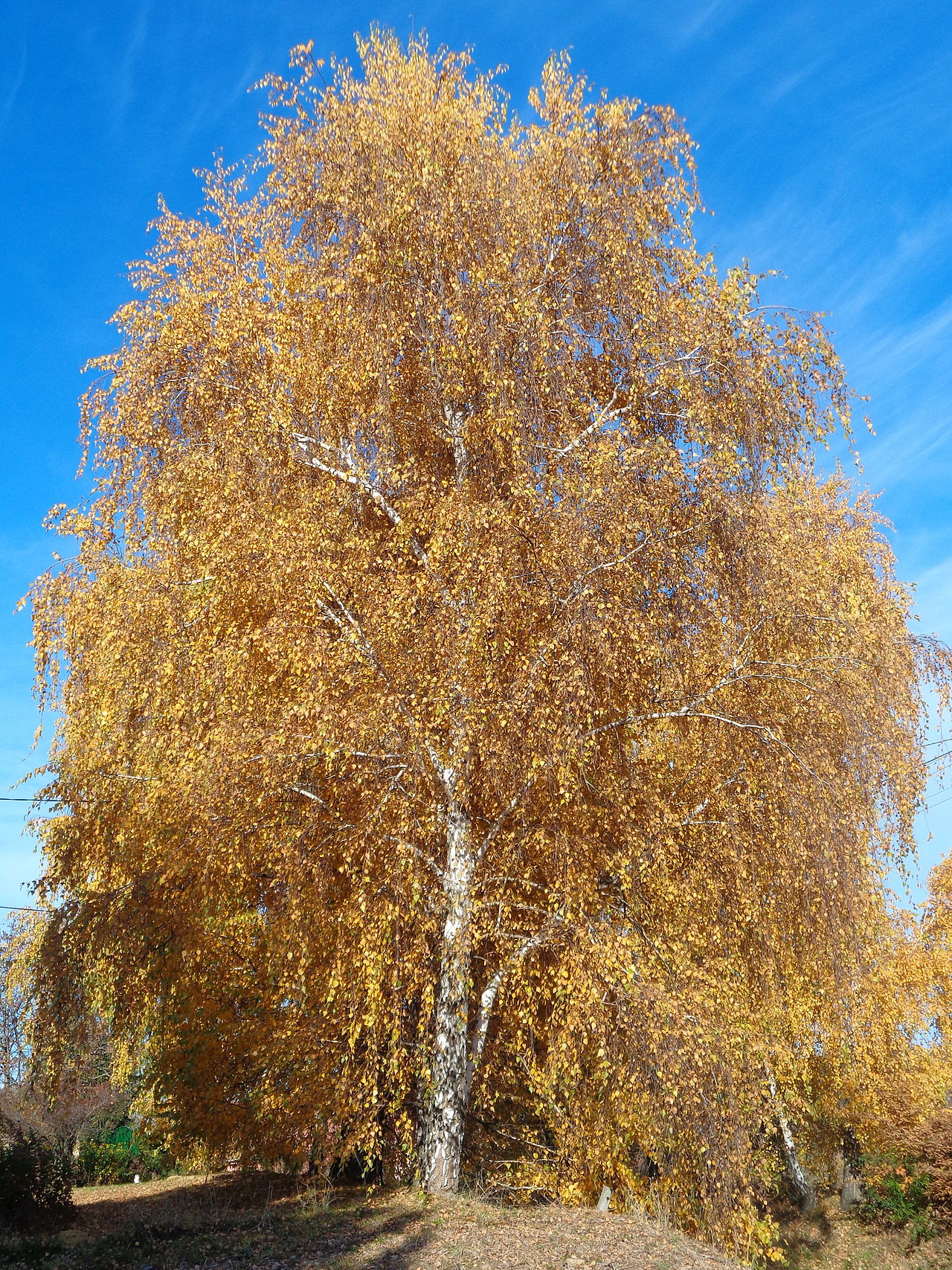
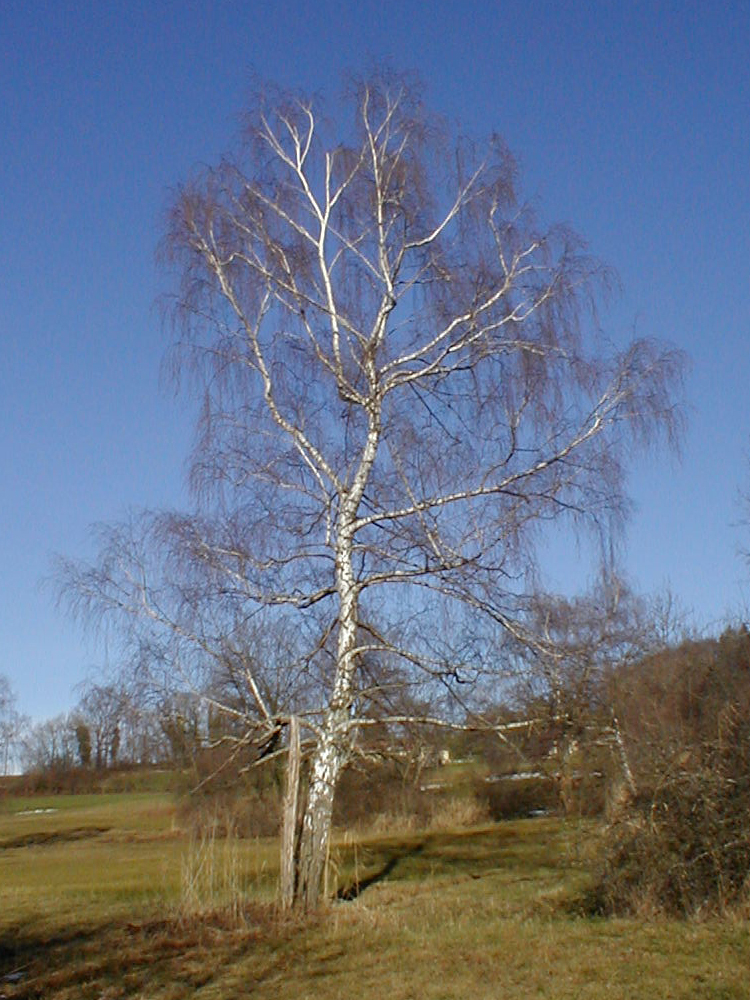
Silver birch is a medium-sized tree with a relatively light, open crown and triangular to ovate leaves that turn bright yellow in autumn. Young twigs are slender and occasionally pendulous, especially on mature specimens. The trunk typically shows pale, papery bark that flakes in thin layers and contrasts with darker fissured areas. Like other birches, it produces its flowers in catkins; the species is monoecious, bearing both male and female catkins on the same individual and relying largely on wind for pollen and seed dispersal. See also notes on the structure of a catkin.
Leaves are simple and often a little toothed along the margin; depending on growth conditions the trees can appear sparing-leaved and airy. The wood is relatively light and straight-grained, and the tree has a reputation as an early successional or pioneer species colonising open ground.
Distribution, habitat and ecology
Native across much of Europe and parts of temperate Asia, silver birch favours well-drained, often sandy or poor soils where it can establish quickly after disturbance. It tolerates a range of climates but prefers cooler temperate regions. In some regions it has been introduced and planted for timber, ornamental and restoration purposes. As a component of mixed woodlands it supports a variety of insects, lichens and fungi and provides winter shelter and seed for birds and small mammals.
Ecologically it is often distinguished from its close relatives by bark and branching habit; it shares its family affiliation with other genera in the Betulaceae and the genus Betula in particular. The species may suffer from pests and diseases that affect birches elsewhere, including borers and fungal pathogens, though susceptibility varies regionally.
Uses, cultivation and notable facts
- Ornamental: widely planted for its striking bark and autumn colour in parks and gardens.
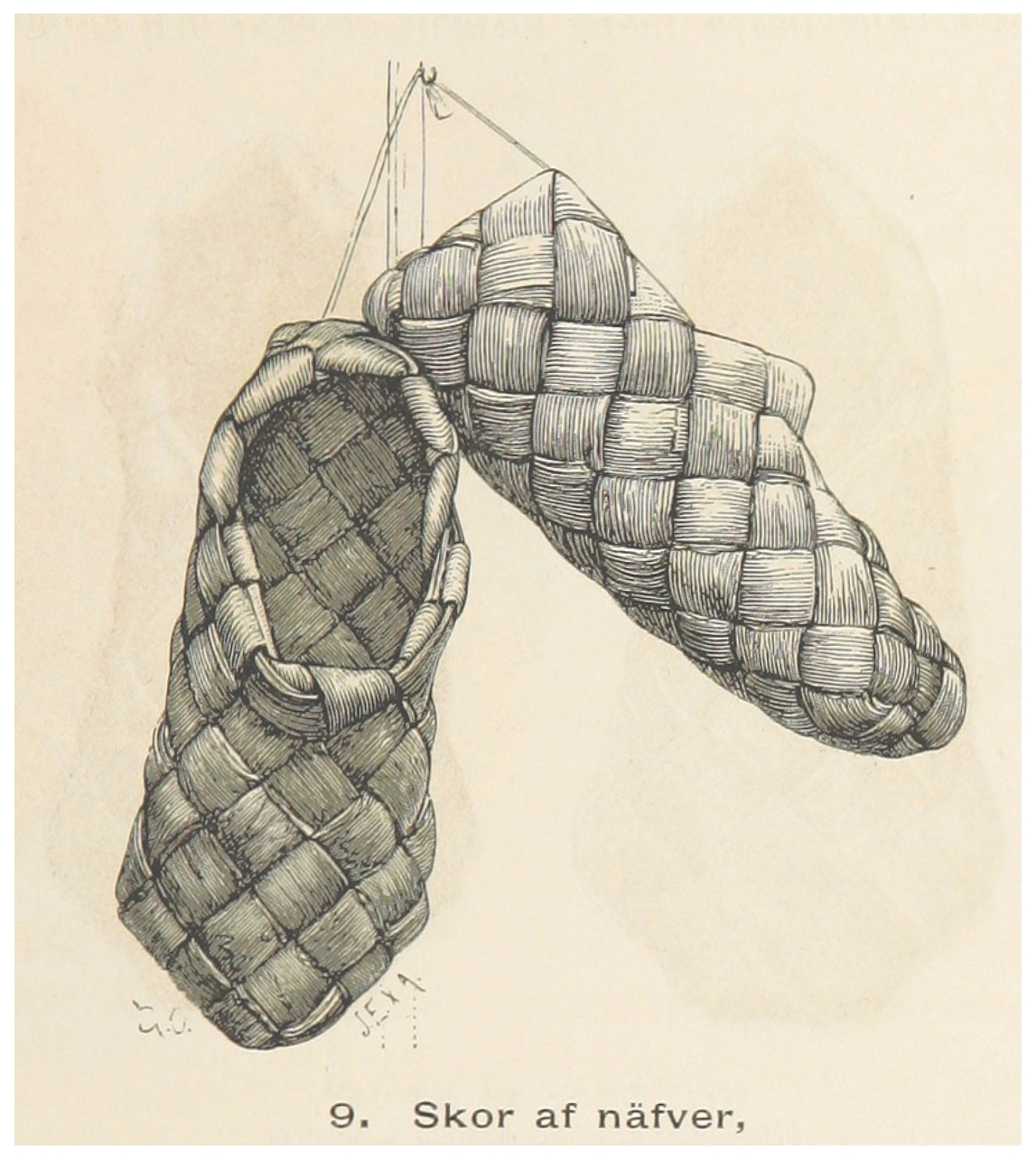
- Traditional and practical uses: bark has been used historically for roofing, containers and as a source of materials for crafts; sap is tapped in some areas for beverages and syrups.
- Wood and fuel: the timber is used for small carpentry, turnery and as firewood; because it grows quickly it is sometimes used in short-rotation coppice.
Gardeners and foresters value silver birch for its ability to improve light soils and for the ecological niches it creates. When distinguishing similar species, such as downy birch, note differences in twig hairiness, leaf shape and branch posture. For cultural, ecological and practical information consult regional guides or authoritative horticultural sources that cover leaf and bud characteristics and management recommendations.
Further reading and identification resources are available from field guides and arboretum collections; introductory materials often include images and keys to separate silver birch from other white-barked species and to explain the seasonal appearance of its catkins and seeds.
For more detailed botanical or conservation data consult specialist texts or databases that focus on temperate tree species and their roles in woodland succession and habitat restoration. Additional links and resources can be found through institutional plant databases and regional conservation organisations (see catkins) or horticultural networks (seasonal care). Practical propagation and care tips are covered in cultivation guides and nursery information (genus overview), while timber and craft uses are treated in traditional woodworking references (family and uses) and community learning sites (leaf traits).
Questions and answers
Q: What is the silver birch?
A: The silver birch is a deciduous tree in the family Betulaceae that grows in Europe, parts of Asia, and North America.
Q: What are some other names for the silver birch?
A: Some other names for the silver birch include warty birch, European white birch, and East Asian white birch.
Q: What size does a silver birch tree typically grow?
A: The silver birch is a medium-sized tree.
Q: What do the leaves of a silver birch tree look like?
A: The leaves of a silver birch tree are triangle-shaped.
Q: What color do the leaves of a silver birch tree turn in the autumn?
A: The leaves of a silver birch tree turn yellow and fall in the autumn.
Q: What do the twigs of an old silver birch tree look like?
A: In an old silver birch tree, the twigs are slender and often hang downwards.
Q: Are silver birch trees monoecious or dioecious?
A: Silver birch trees are monoecious, meaning they have both male and female catkins on the same tree.
Related articles
Author
AlegsaOnline.com Silver birch (Betula pendula) Leandro Alegsa
URL: https://en.alegsaonline.com/art/90450
Sources
- iucnredlist.org : Betula pendula