
Sod (turf): composition, cultivation, uses, and history
Sod is living grass and the soil bound by its roots, harvested as rolled or pieced turf for instant lawns, erosion control, sports surfaces and landscaping. This article covers composition, care, uses and history.
Overview
Sod—often called turf—is a layer of living grass and the thin layer of underlying soil that is held together by a dense network of roots. In horticulture and landscaping it is commonly sold as rolls or squares so that a ready-made green surface can be installed quickly. Homeowners and professionals choose sod to establish an immediate lawn or to stabilize exposed ground.
Image gallery
7 Images



Composition and production
Sod consists of three basic components: the visible grass canopy, the root mass, and the upper soil layer that binds them. Commercial sod farms grow specific grass species to form thick, interwoven roots that hold soil when cut. Varieties are selected for climate tolerance (cool-season or warm-season grasses), wear resistance and recovery. After reaching the desired density, sod is harvested in strips or patches and transported to installation sites.
Installation and care
Proper site preparation is essential: soil should be graded, cleared of debris, and amended to improve drainage or fertility. Sod is laid tight-edged to minimize seams, rolled to ensure contact, and watered immediately to help roots establish. Early maintenance focuses on consistent moisture, gradual mowing, and limiting heavy traffic until the turf is rooted. Over time, routine fertilizing, aeration and pest management sustain a healthy stand.
Uses and benefits
- Instant lawns and residential landscaping provide immediate aesthetics.
- Erosion control on slopes and disturbed soils reduces runoff and soil loss.
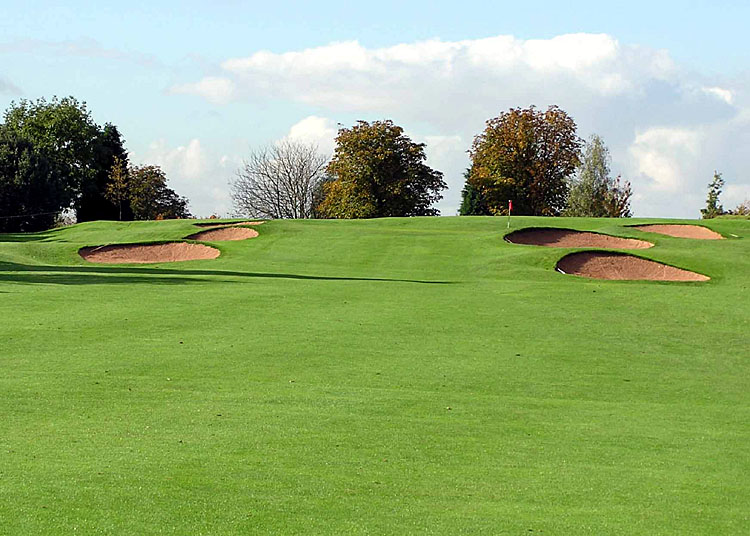
- Sports fields and golf courses use specialized sod blends for durability and uniform play surfaces.
- Rehabilitation projects use sod to rapidly re-establish vegetation.
History and notable facts
The practice of using turf predates modern sod farming. Historically, blocks of grass and earth were incorporated into construction and fortifications in some regions, serving as insulation or structural material; such uses evolved into the modern concept of portable turf. Today, sod production is a specialized agricultural industry supplying landscapers and homeowners. Compare sod with seeding: sod offers immediate cover and less erosion risk, while seeding is generally less expensive but slower to establish.
Related concepts and terms include grass species selection, soil preparation, and the role of roots in turf stability. Historical references note sod’s use in earthworks and fortifications in some cultures. For practical installation guidance and product options consult a landscaping professional or industry resources such as trade guides and regional extension services.
Related articles
Author
AlegsaOnline.com Sod (turf): composition, cultivation, uses, and history Leandro Alegsa
URL: https://en.alegsaonline.com/art/91495