
Siachen Glacier: geography, history, and strategic significance
High-altitude glacier in the eastern Karakoram; site of long-standing military deployments and environmental concern. Overview of its geography, history, uses, and contemporary issues.
Overview
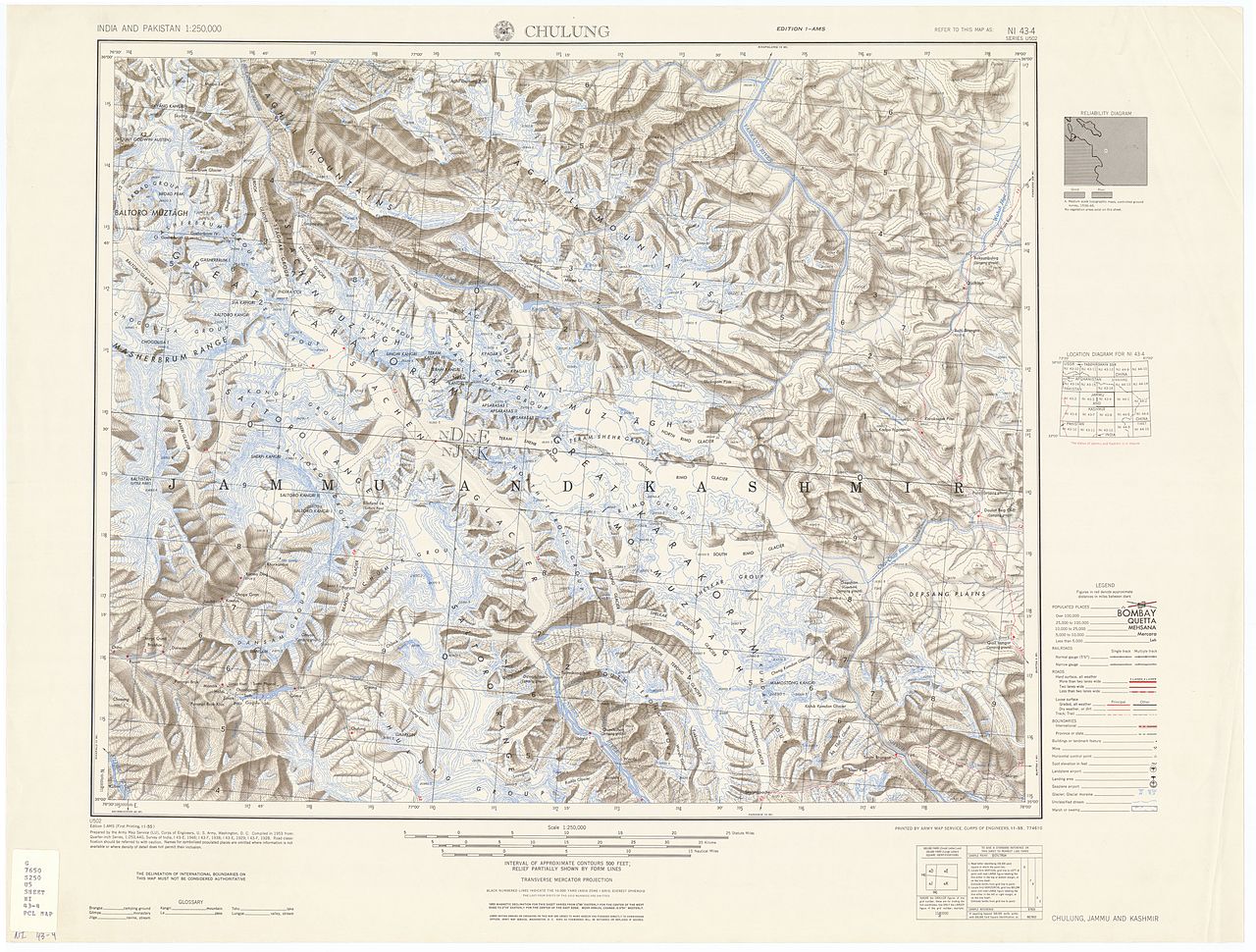
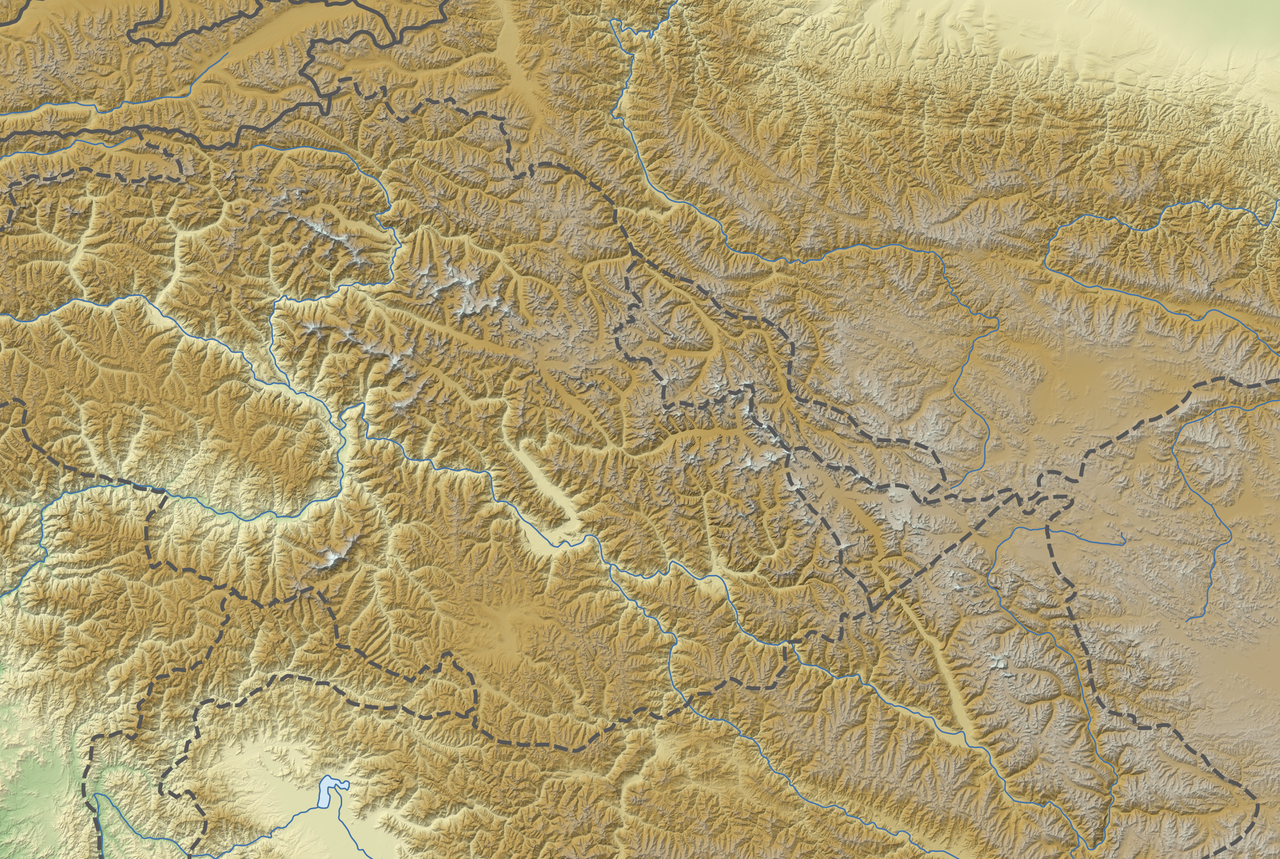
The Siachen Glacier lies in the eastern Karakoram range of the greater Himalaya. Straddling a disputed sector near the de facto line between India and Pakistan, it is noted for extreme altitude, harsh weather and strategic significance. Often described as the longest glacier in the Karakoram and the second-longest non-polar glacier in the world, Siachen has become better known for human activity here than for tourism or scientific access.
Image gallery
9 Images





Geography and physical characteristics
Siachen originates close to the high-altitude pass known as Indira Col, with its accumulation zone rising above 5,700 metres and its snout descending to roughly 3,600 metres. The glacier channels ice, snow and meltwater through a steep, crevassed valley. Glacial features include icefalls, medial moraines and heavily crevassed flow lines. Scientists monitoring regional glaciers treat Siachen as an important indicator of cryospheric change in the western Himalaya.
History and human presence
Historically remote and sparsely visited, the glacier entered modern attention in the latter half of the 20th century as territorial claims and patrols intensified along the poorly demarcated frontier. In 1984 India established permanent positions on the glacier in a move widely reported as a military occupation to control strategic heights. Since then, both nations have maintained a continuous high-altitude military presence, with most casualties attributed to avalanches, altitude illness and extreme weather rather than direct combat.
Uses, importance, and impacts
Beyond its military role, Siachen feeds glacier-fed rivers that contribute to downstream water systems used for irrigation and local livelihoods. The human presence has environmental consequences: waste and fuel residues accumulate in a fragile alpine ecosystem, and climate warming appears to be altering melt patterns and ice extent. International and regional experts have urged measures to reduce environmental damage while addressing security concerns.
Notable facts and distinctions
- The glacier is one of the world's longest outside polar regions and sits among some of the planet's highest military deployments.
- Logistics and patrols in this area require specialized high-altitude equipment and acclimatisation for personnel.
- Efforts to negotiate demilitarisation have been discussed intermittently, but ground positions and political sensitivities have made agreements difficult.
Researchers, policymakers and environmental groups continue to monitor Siachen for its combination of strategic, hydrological and ecological importance. For maps, satellite imagery and further reading on the Karakoram context see regional overviews and technical studies linked through authoritative sources such as the glacier-focused portals and defense analyses (glacier studies, Karakoram resources).
Related articles
Author
AlegsaOnline.com Siachen Glacier: geography, history, and strategic significance Leandro Alegsa
URL: https://en.alegsaonline.com/art/90141