
Shaving: techniques, tools, styles, history and safety
An overview of shaving: what it is, common tools and styles, basic techniques, safety tips, and a brief cultural history.
Overview
Shaving is the act of removing unwanted hair from the face or other parts of the body. It can be done for hygiene, comfort, aesthetic preference, or cultural reasons. Methods range from manual blades to powered devices and temporary chemical depilatories. Despite the different tools, the basic goal is the same: cut or remove visible hair close to the skin.
Image gallery
10 Images




Tools and products
Different approaches use different equipment. Common items include:
- Razor types: disposable, cartridge, safety, and straight razors.
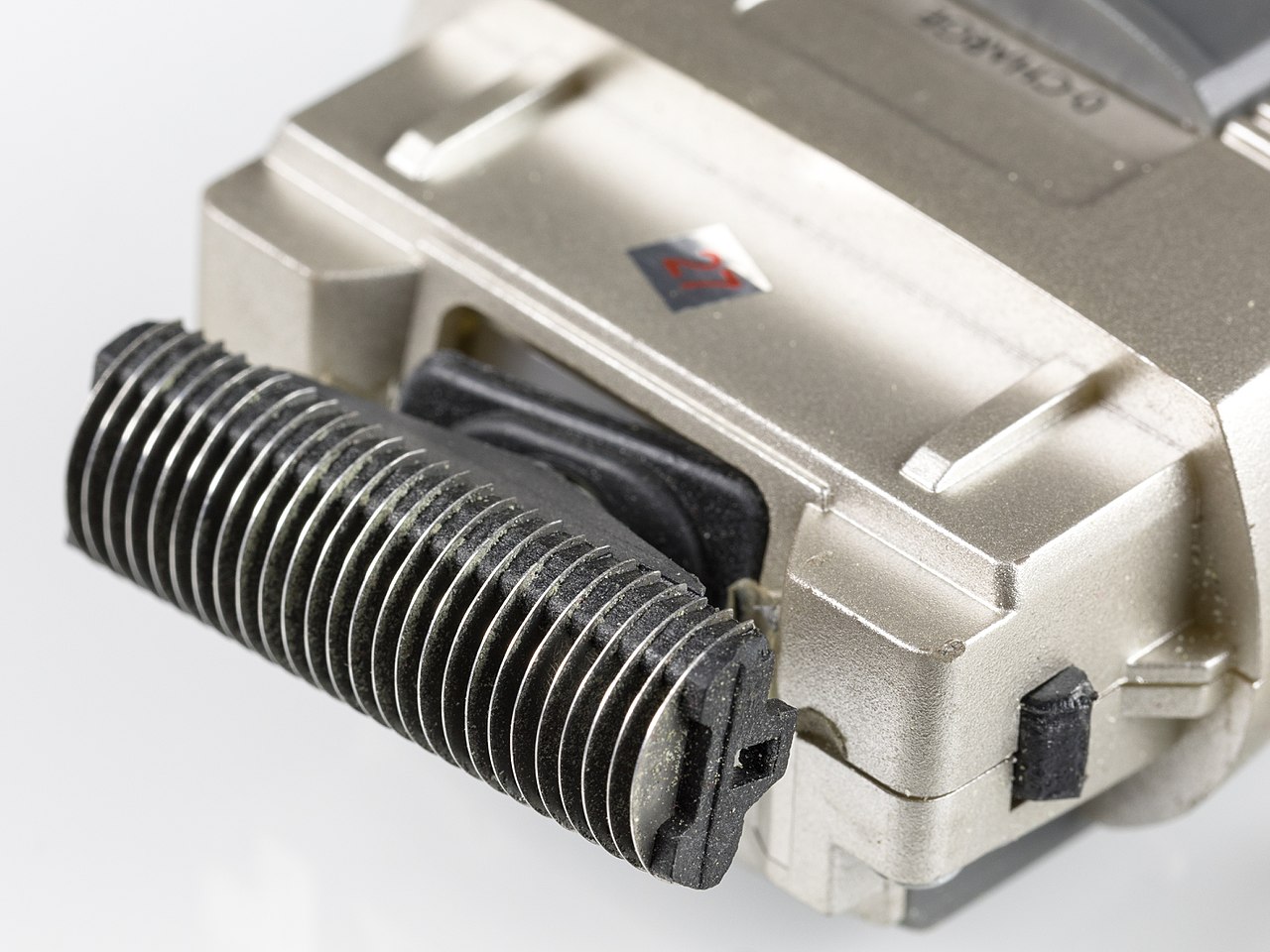
- Electric shavers and beard trimmers for quick or dry use.
- Preparatory and finishing products: shaving soap, cream, gel, brush, alum, and aftershave balms.
- Support items: scissors, combs, mirrors, and antiseptic solutions.
Common styles and facial hair terms
Shaving choices shape personal appearance. Some people choose a completely clean look, others maintain short stubble, while some leave hair in defined forms. Examples include hair left on the chin as a goatee, full beard styles that connect mustache and chin, or a separated mustache. Grooming frequency and shaping determine the final style.
Basic technique and safety
Effective shaving reduces irritation and cuts. A simple wet-shaving routine is:
- Soften hair with warm water and, if available, a pre-shave oil.
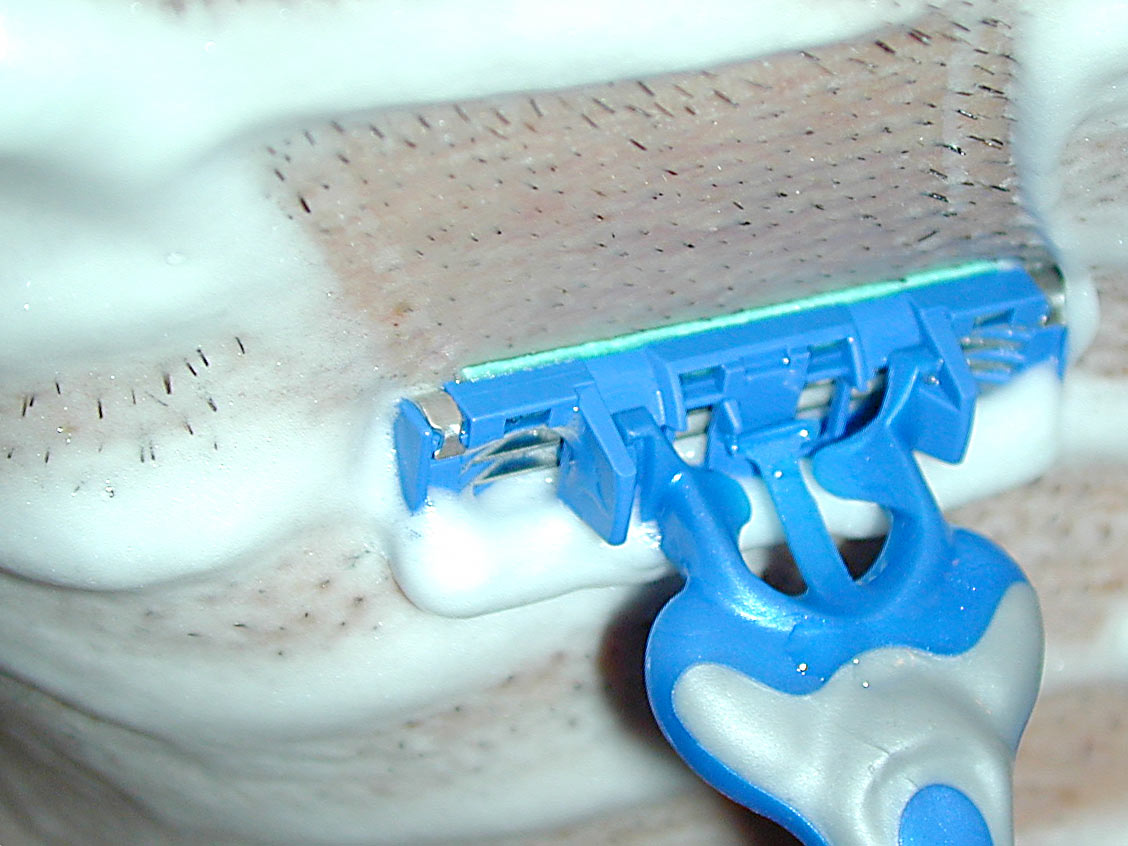
- Apply lather or cream to protect the skin.
- Use short, gentle strokes with light pressure and rinse the blade often.
- Rinse, pat dry, and apply a soothing aftershave or moisturizer.
Key safety points: change blades regularly, avoid shaving over active acne, and use care near sensitive or scarred skin to prevent nicks and infection.
History and cultural notes
Shaving has ancient origins and has carried different meanings across cultures and eras—religious observance, class and fashion signals, or practical hygiene. Technological advances transformed practice from sharpened tools to safety razors, disposable cartridges, and modern electric shavers, making grooming faster and more accessible.
Care, problems and professional help
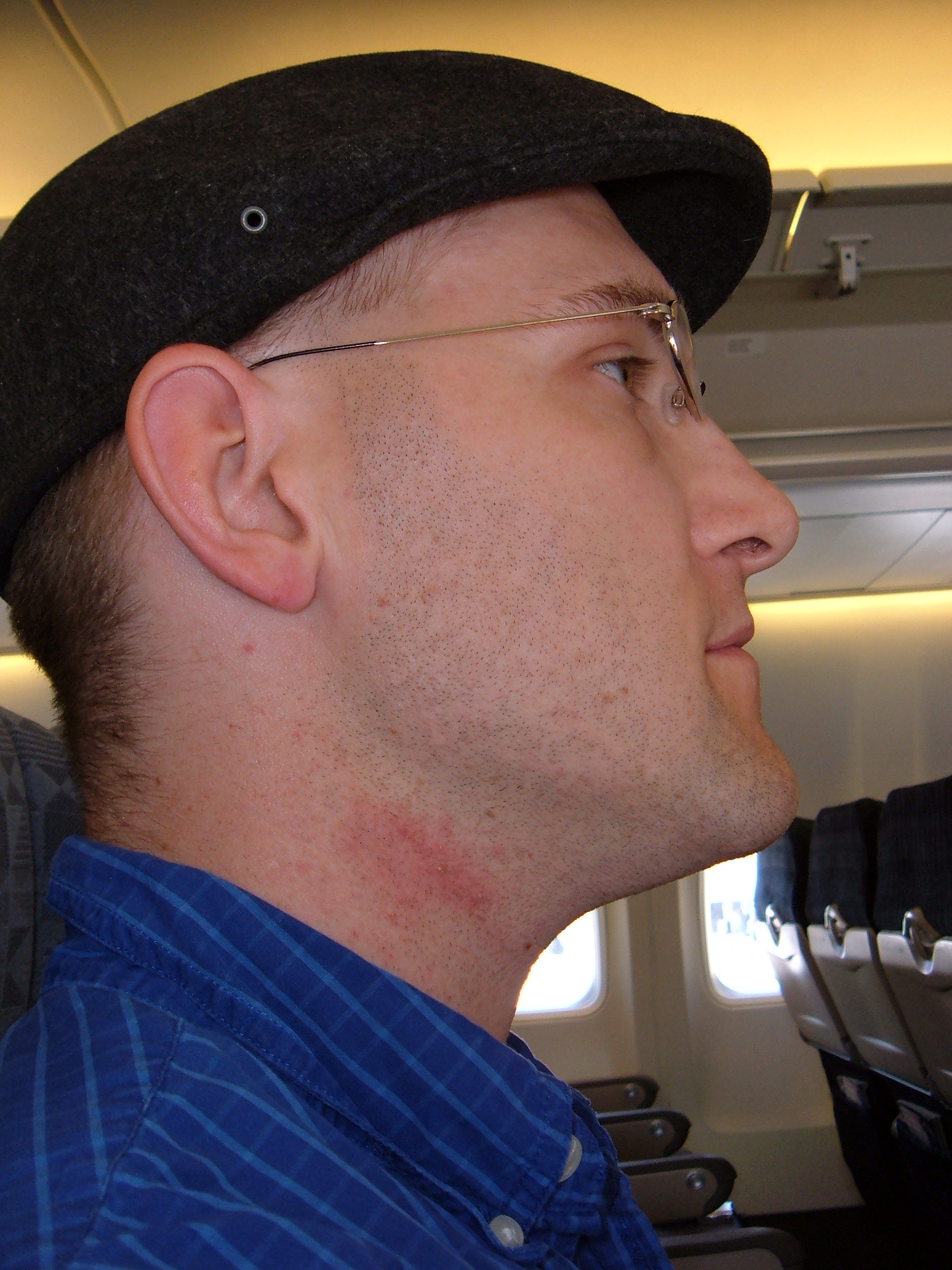
Common issues include razor burn, nicks, and ingrown hairs; they are often managed by adjusting technique, using appropriate products, and maintaining clean blades. Barbers remain a valuable resource for shaping and persistent problems. Whether done daily or occasionally, shaving choices reflect personal preference, comfort, and cultural context.
Related articles
Author
AlegsaOnline.com Shaving: techniques, tools, styles, history and safety Leandro Alegsa
URL: https://en.alegsaonline.com/art/89540