
Razor (personal grooming tool)
A razor is a handheld device with one or more blades used to remove hair. This article explains types, history, construction, uses, maintenance, and safety considerations.
A razor is a handheld tool designed to remove unwanted hair by cutting close to the skin. Razors may carry a single blade or multiple blades and are commonly used for facial shaving, leg and underarm hair removal, and hairline trimming. The action of a razor contrasts with scissors or depilatory creams because it severs the hair shaft at skin level rather than dissolving or pulling it out. Blades are the critical element of a razor and are made, finished and mounted in different ways to balance sharpness, durability and safety. Many people distinguish between wet shaving and dry shaving methods; wet shaving uses water, soap or shaving cream to lubricate the skin during the cut, while dry shaving is typical for electric devices. Shaving practices vary by culture, gender, and personal preference.
Image gallery
9 Images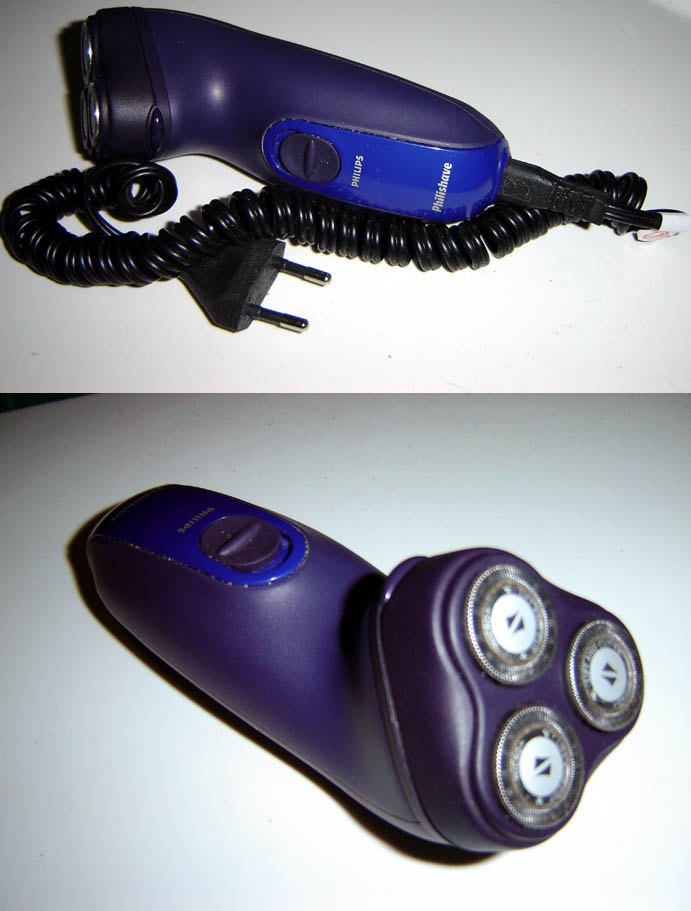


Types and basic characteristics
- Straight razors — a single long blade that folds into its handle. They require skill to use safely and regular maintenance such as stropping and honing.
- Safety razors — metal handles that hold a replaceable single blade in a guarded head to reduce the risk of cuts; they are a long-standing alternative to straight razors.
- Cartridge and disposable razors — convenience-focused systems with preloaded multi-blade cartridges or entirely disposable heads for easy replacement.
- Electric razors and clippers — powered devices with oscillating or rotating cutters; some are intended for close dry shaving, others for trimming hair on the head or body.
History and development
Basic cutting implements intended for grooming date back to antiquity. Archaeological finds from the Bronze Age include small blades fashioned from bronze that could serve as early razors; some have an oval form. Over centuries, metalworking advances produced sharper steel blades and more refined handles. The straight razor dominated until safety and replaceable-blade systems popularized safer, more convenient shaving. The 20th century introduced electric shaving technology, enabling faster dry shaving and separate devices designed specifically for haircutting.
Uses, maintenance and safety
Razors are used for facial grooming, body hair removal, and barbershop haircutting. Proper maintenance differs by type: straight razors are honed and stropped to keep the edge; safety and cartridge blades are replaced periodically; electric shavers need cleaning, lubrication and occasional blade cassette replacement. Basic safety recommendations include using a fresh or well-maintained blade, preparing the skin (warm water and lubricant for wet shaving), shaving with the hair grain on sensitive areas, and keeping tools clean to reduce infection risk.
Environmental and practical considerations
Disposable blades and multi-blade cartridges create ongoing waste, so some users choose reusable metal-handled systems with recyclable stainless steel blades. Electric razors reduce consumable waste but use electricity and contain electronic components that require responsible disposal. Personal choice is often driven by factors such as skin sensitivity, cost, convenience and environmental impact.
For more detailed guidance on blade care, technique and product types see resources and manufacturers' instructions: general tool guides, blade care, and product pages at shaving resources or historical summaries at archaeology sites, metallurgy overviews and design notes showing early shapes such as the oval forms found in excavations.
Questions and answers
Q: What is a razor?
A: A razor is a tool used for shaving hair from the face, legs, and underarms.
Q: What materials were the earliest razors made of?
A: The earliest razors were made of bronze and had an oval shape.
Q: What are the different kinds of razors available?
A: The different kinds of razors available are straight razors, safety razors, and electric razors.
Q: Which kind of razor is rarely used?
A: Straight razors are rarely used.
Q: For what purpose is a slightly different type of electric razor used?
A: A slightly different type of electric razor is used to trim and cut hair from the head, because hair can be cut much more quickly with electric haircutting razors than with scissors.
Q: Who mostly use razors for hair removal?
A: Men mostly use razors for shaving their face, and women mostly use razors for shaving their legs and underarms.
Q: What is the history of razors?
A: The earliest razors known are from the Bronze Age, and they were made of bronze and had an oval shape.
Related articles
Author
AlegsaOnline.com Razor (personal grooming tool) Leandro Alegsa
URL: https://en.alegsaonline.com/art/81413