
Second Polish Republic (1918–1939)
The interwar Polish state re-established after World War I, which consolidated borders in the early 1920s, underwent political change under Józef Piłsudski, and was occupied in 1939 at the outbreak of World War II.
The Second Polish Republic was the modern Polish state reconstituted after the First World War. Proclaimed in 1918, the republic existed until the invasion and partition that accompanied the outbreak of World War II in 1939. Its creation followed the collapse of neighbouring empires and a period of military and diplomatic struggle that established a centralized national government and institutions associated with renewed Polish sovereignty.
Image gallery
10 Images



Government and politics
Officially a republic, the new state initially operated under parliamentary forms and multiple competing parties. Political life was lively and often polarized, with frequent cabinet changes and broad social debates over land, minority rights, and economic policy. In the mid-1920s authority shifted toward a stronger executive role after a political upheaval; the era of influential leadership that followed is associated with Józef Piłsudski. Throughout the interwar decades, constitutions, legal reforms, and administrative reorganization reshaped the balance between parliament, presidency, and government.
Territory and neighbours
By the early 1920s, after several wars and treaties, the republic's boundaries were largely settled; formal arrangements and agreements finalized much of its territory by 1922. The state shared borders with a number of countries and special entities in a changing Europe. Neighbours included:
- Czechoslovakia
- Germany (the Weimar Republic) and the semi-autonomous Free City of Danzig
- Latvia and Lithuania
- Romania
- Soviet Russia / Soviet Union
History and defining events
The republic emerged after more than a century of partitions and imperial rule. Its early years were marked by border conflicts, local uprisings, and negotiated settlements that defined much of modern Poland's frontiers. Military engagements and diplomatic accords in the immediate postwar period determined the eastern and western limits and consolidated a multiethnic polity. Political developments in the 1920s and 1930s reflected efforts to modernize institutions while responding to economic hardship and security concerns in a volatile international environment.
Society, economy and culture
The interwar state was socially and ethnically diverse, with significant communities of Ukrainians, Jews, Belarusians and others alongside ethnic Poles. Agriculture retained a central role in the economy even as industrialization and urban growth advanced. Cultural and intellectual life experienced renewal: literature, theater, visual arts, and scientific research flourished in many cities. Education reforms expanded schooling, while social tensions over land distribution, minority rights, and economic inequality remained prominent political issues.
Armed forces and foreign relations
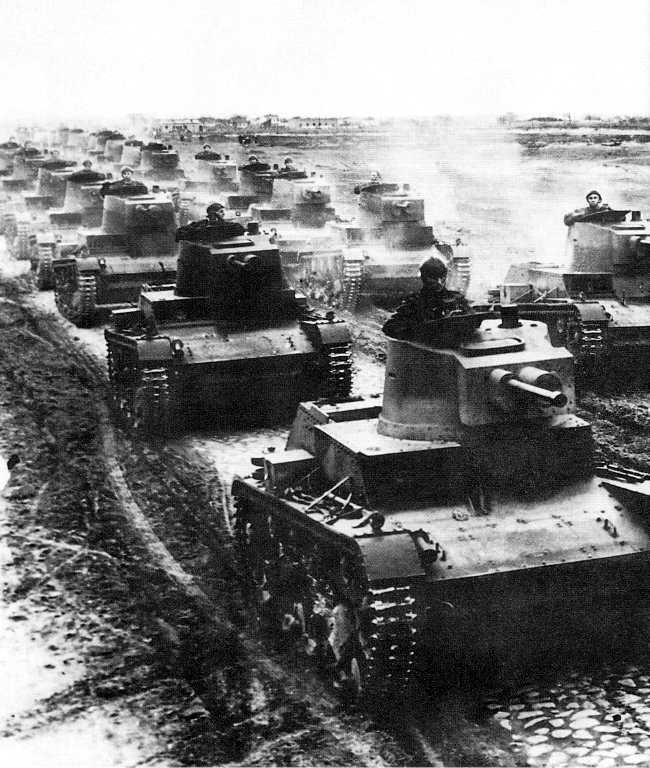
The republic maintained armed forces shaped by the experience of recent conflicts and the perceived need to defend fragile borders. Diplomacy aimed to secure recognition, build trade links, and balance relations with larger neighbours. The state's foreign policy navigated a difficult environment of competing powers, shifting alliances, and rising authoritarian regimes in Europe, all of which affected security planning and international posture.
End of the interwar state and legacy
The political entity known as the Second Polish Republic ceased to function as an independent state in 1939, when invasions and occupations by neighbouring powers brought an end to the interwar order. Its legacy includes the institutional structures, legal traditions, and cultural developments that influenced later Polish administrations. Historians note both the achievements of state-building and modernization and the unresolved social and political challenges that made the republic vulnerable in a turbulent international context.
For further reading on institutions, key events, demographic composition and cultural life of the interwar period see specialized studies and archival collections accessible via libraries and academic resources (general overview, independence movements, 1918 context, 1939 events, border settlements, Czechoslovakia relations, Germany relations, Danzig, Latvia, Lithuania, Romania, Soviet Union, Piłsudski).
Related articles
Author
AlegsaOnline.com Second Polish Republic (1918–1939) Leandro Alegsa
URL: https://en.alegsaonline.com/art/88438