
Seljuk dynasty: origins, empire, culture and legacy
Medieval Turkic dynasty that forged the Great Seljuk Empire in the 11th–14th centuries, reshaped Middle Eastern politics, patronized Persian culture and influenced later Turkic states.
Overview
The Seljuks were a Turkic ruling house that emerged as a dominant force in the medieval Islamic world. Originating among Oghuz Turkic groups, they created what historians call the Great Seljuk Empire in the 11th century and maintained influence across large parts of Central Asia and the Middle East into the later medieval period. They are usually described as a Turkic, Sunni Muslim dynasty whose political and cultural activities left a lasting imprint on the region.
Image gallery
8 Images





Origins and expansion
Members of the Seljuk family originally belonged to an Oghuz clan that in the 9th century lived on the steppes north of the Caspian and Aral Seas, in an area now within modern Turkmenistan. Under leaders such as Tughril Beg and Alp Arslan the Seljuks moved into Iran, Iraq, and Anatolia. Their territory at its height stretched from parts of Anatolia to eastern regions near present-day Afghanistan, creating an imperial core often referred to simply as the Great Seljuk Empire or Seljuk Empire.
Government, society and religion
Seljuk rulers combined Turkic military traditions with Persian administrative practices. They retained local bureaucrats, used Persian as the language of court culture, and employed viziers to organize government. As patrons of Sunni Islam they supported the Abbasid Caliphate in Baghdad and promoted Sunni institutions; at times this brought them into conflict with Shiʿi groups and other religious communities. Their rule included a mix of nomadic and settled populations, and they granted land and revenues to military commanders to secure loyalty.
Culture, learning and architecture
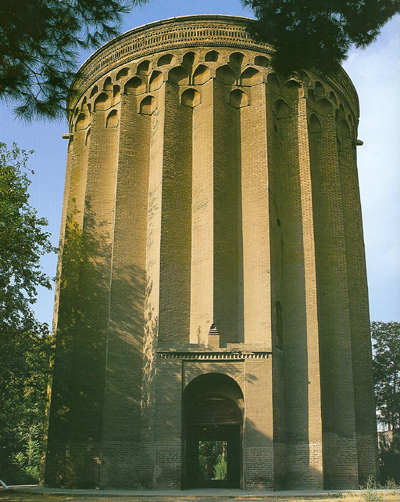
The Seljuks played a central role in the flowering of Persianate culture across the Middle East. They founded schools and mosques, and their patrons included famous administrators such as Nizam al-Mulk, who promoted madrasas that shaped Sunni scholarship. Seljuk architectural styles—characterized by mosques, caravansaries and madrasas with brickwork and geometric decoration—became influential in later Islamic architecture.
Military history and legacy
Seljuk armies were instrumental in major events of the period: Alp Arslan’s victory at Manzikert (1071) accelerated Turkic settlement in Anatolia and contributed to the eventual rise of successor states such as the Sultanate of Rum. Seljuk forces also engaged with the armies of the First Crusade and other regional rivals. Over the 12th and 13th centuries the empire fragmented into regional dynasties; nevertheless, Seljuk political and cultural models shaped subsequent powers, including later Turkish polities and the development of medieval Islamic institutions.
Notable facts and modern relevance
- The Seljuks acted as protectors of Sunni orthodoxy and allies of the Abbasid caliphs in Baghdad, shaping religious authority in the region.
- They were an important bridge between nomadic Turkic traditions and settled Persian administration, influencing language and court culture across West Asia.
- Modern nations with historical ties to the Seljuk legacy include Azerbaijan, Turkey and Turkmenistan, where aspects of memory and medieval statecraft remain subjects of historical study.
For further reading on the dynasty’s origins, institutions and cultural achievements consult specialist histories and primary-source collections that examine the Seljuks’ role in medieval Eurasian history. Additional overviews and academic resources can be found via subject bibliographies and university publications.
Turkic Sunni Muslim dynasty Central Asia Middle East 11th century 14th centuries empire Great Seljuk Empire Anatolia Afghanistan Abbasid Caliphate Azerbaijan Turkey Turkmenistan 9th century steppes Caspian Aral Seas
Questions and answers
Q: Who were the Seljuks?
A: The Seljuks were a Turkic Sunni Muslim dynasty who ruled parts of Central Asia and the Middle East from the 11th to 14th centuries.
Q: What was their empire known as?
A: Their empire was known as Great Seljuk Empire that stretched from Anatolia to Afghanistan.
Q: What religion did they practice?
A: The Seljuks practiced Sunni Islam.
Q: How did they treat non-Sunnis?
A: Non-Sunnis such as Shia Muslims and Zoroastrians were heavily oppressed under Seljuk rule, as the Seljuks saw themselves as protectors of Sunni Islam and the Abbasid Caliphate.
Q: Where did the House of Seljuq originate from?
A: The House of Seljuq originated from a branch of Kinik Oghuz Turks who lived in the steppes north of the Caspian and Aral Seas in modern day Turkmenistan in the 9th century.
Q: Are there any present day descendants of the Western Turks?
A: Yes, present-day inhabitants of Azerbaijan, Turkey, and Turkmenistan are descendants of Western Turks.
Q: Did they fight against Christians during First Crusade?
A: Yes, during First Crusade,the Seljuks fought against Christians.
Related articles
Author
AlegsaOnline.com Seljuk dynasty: origins, empire, culture and legacy Leandro Alegsa
URL: https://en.alegsaonline.com/art/88696