
Seabed (sea floor): structure, ecology, exploration, and human impact
The seabed is the ocean’s bottom surface. This article outlines its major geological zones, sediments, life forms, mapping and exploration methods, and the modern human pressures and uses of this environment.
The seabed, also called the sea floor or ocean floor, is the bottom surface of the world’s oceans and continental seas. Its extent and character vary from shallow coastal shelves to the deepest ocean trenches. For a general introduction see seabed.
Image gallery
10 Images


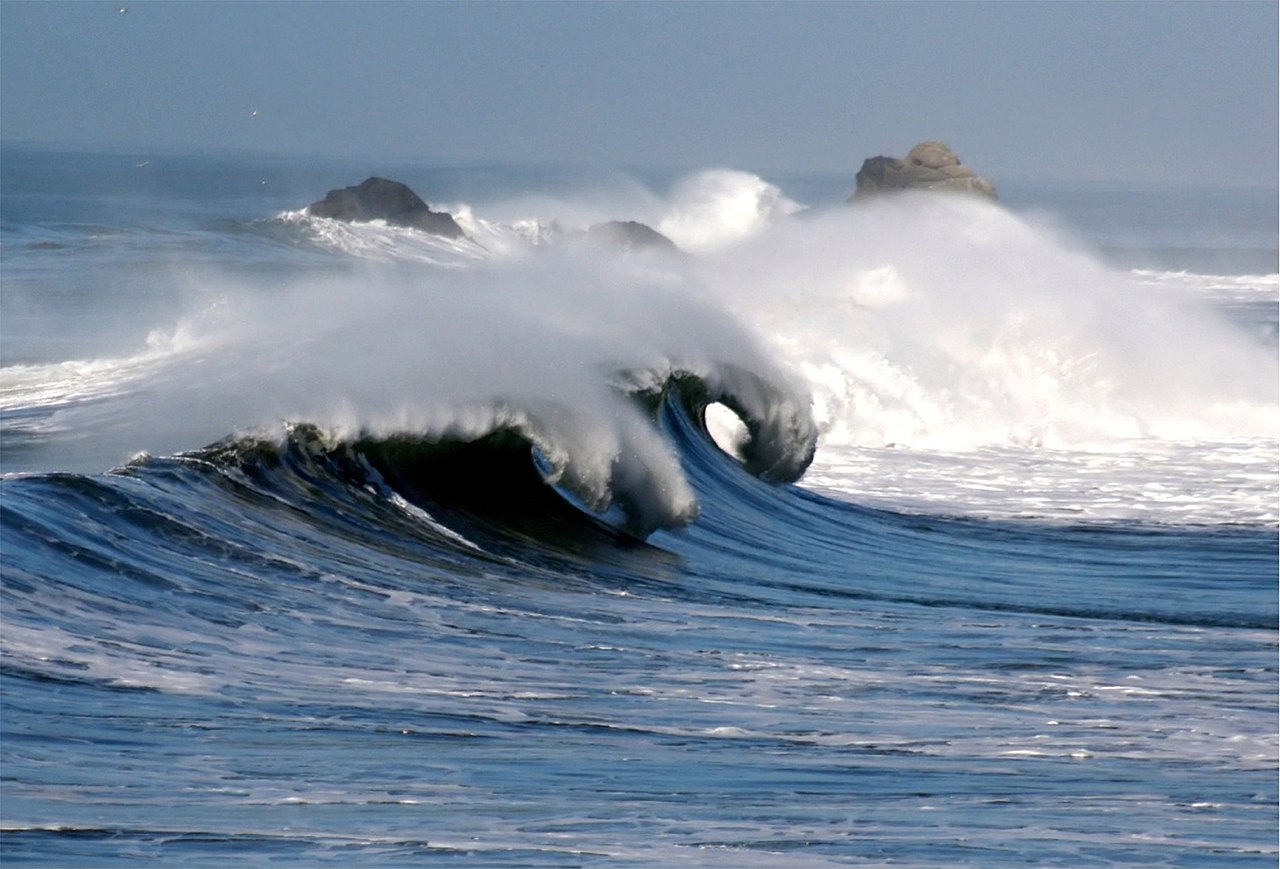
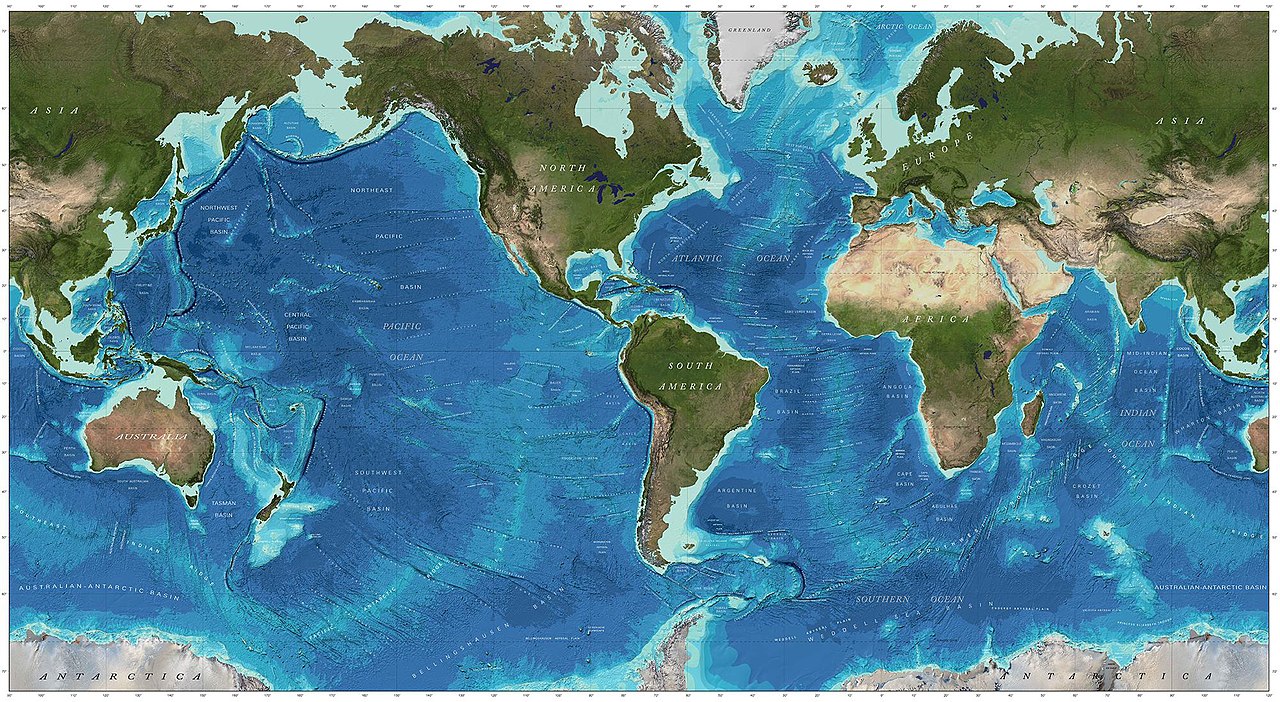


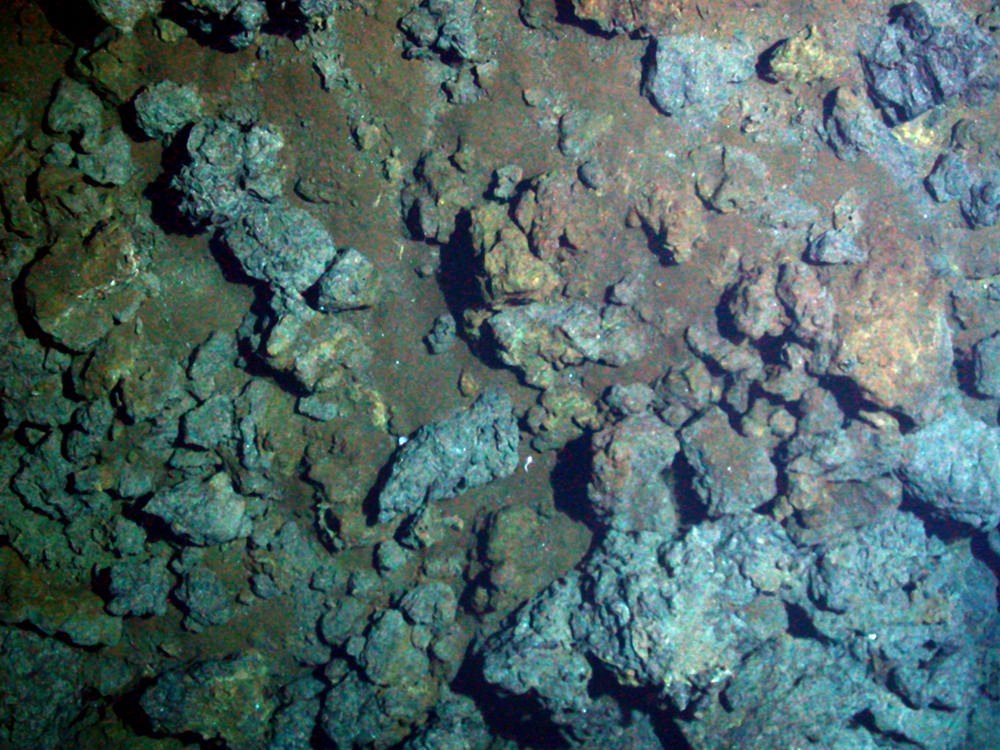
Structure and major features
The seafloor is divided into broad zones determined by depth and slope. Typical components include:
- Continental shelf: the gently sloping submerged edge of continents;
- Continental slope and rise: steeper areas that lead toward the deep ocean;
- Abyssal plains: vast, relatively flat regions covered by fine sediments;
- Mid-ocean ridges and seamounts: volcanic mountain ranges and isolated underwater mountains;
- Ocean trenches: narrow, very deep troughs associated with plate boundaries.
Sediments, geology and chemistry
Seafloor sediments come from eroded land material (terrigenous), microscopic organisms (biogenic), chemical precipitation, and windblown dust. In some areas manganese nodules and hydrothermal deposits accumulate. Plate tectonics, volcanism and sedimentation together shape bathymetry and influence local chemistry and mineral resources.
Life on the seabed
Although light is absent on most of the deep seabed, a diverse benthic community exists. Organisms include bacteria, worms, crustaceans, echinoderms and sessile animals that live on or within sediments. Unique ecosystems occur near hydrothermal vents and cold seeps where chemosynthesis supports complex food webs.
Exploration, mapping and human impacts
Humans study the seabed with remote sensing, multibeam bathymetry and direct observation from manned submersibles and research submarines (submarines), remotely operated vehicles, as well as by occasional visits from scuba divers (scuba divers) in shallow water. The seabed is also affected by fisheries, seabed mining proposals, undersea cables, pollution and climate-driven changes in sedimentation and oxygen levels.
The seabed is ecologically and economically significant: it stores carbon, supports biodiversity, and contains resources and infrastructure that require international cooperation and scientific study to manage sustainably.
Related articles
Author
AlegsaOnline.com Seabed (sea floor): structure, ecology, exploration, and human impact Leandro Alegsa
URL: https://en.alegsaonline.com/art/88284