
Antarctic: region, environment, ecology and human activity
The Antarctic is the South Pole region — the continent of Antarctica plus surrounding ice, seas and islands. Overview of its geography, climate, wildlife, scientific presence and legal protections.
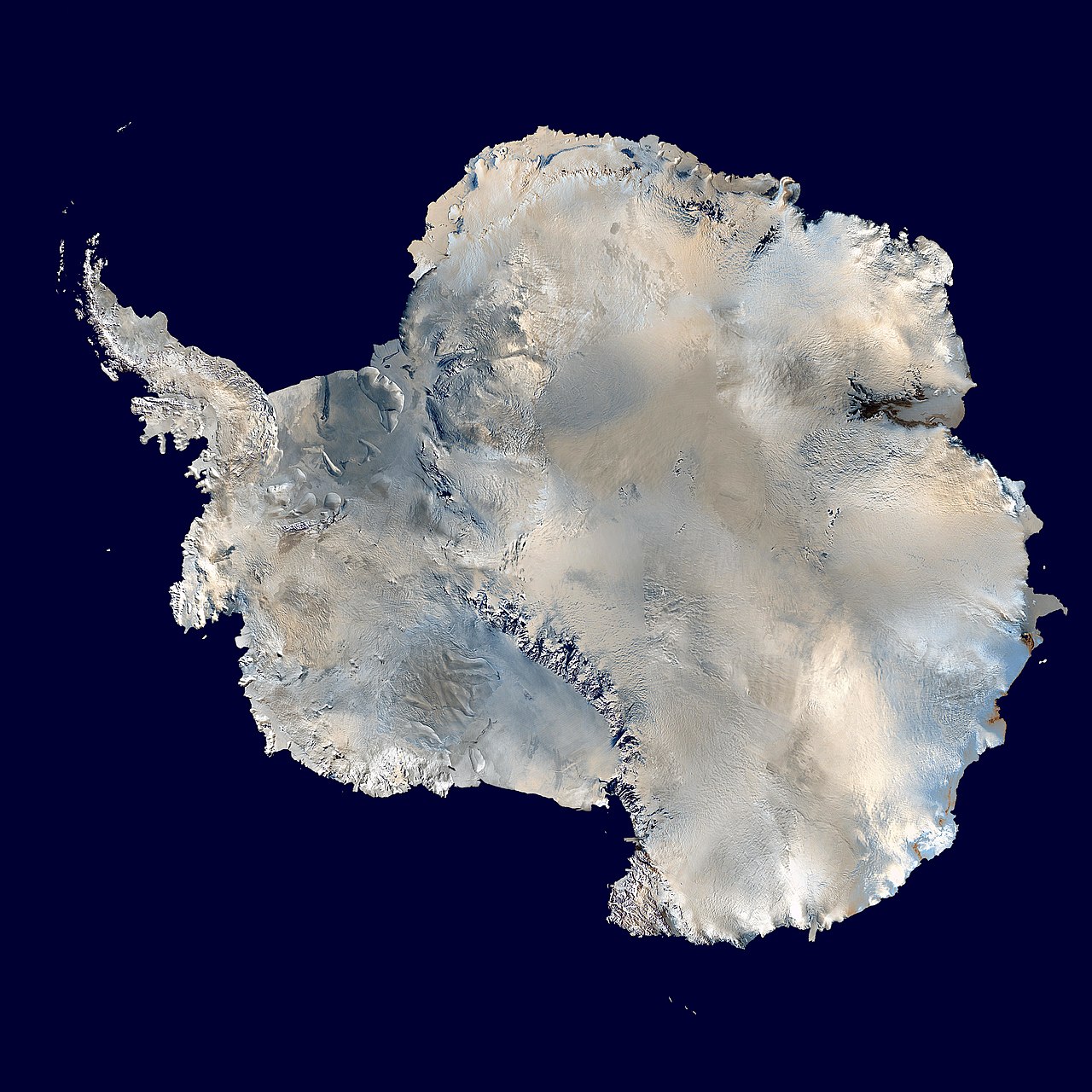
The Antarctic refers to the polar region surrounding the Earth's southernmost point. It is centered on the Earth's South Pole and stands opposite the Arctic area around the North Pole. In common usage the term denotes not only the landmass but also the fringing seas, sea ice and scattered islands that lie within the Southern Ocean.
Image gallery
10 Images




Extent and physical characteristics
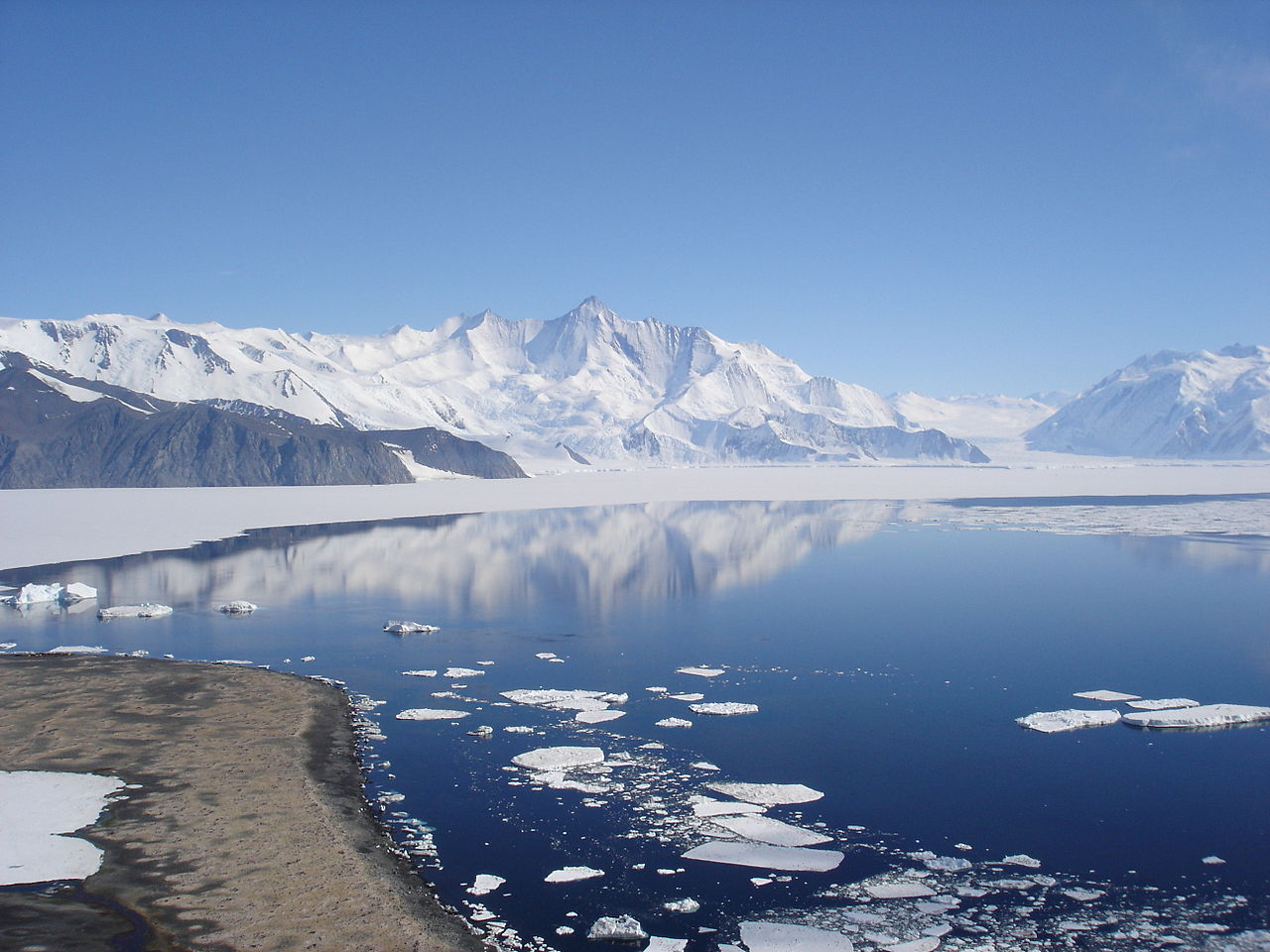
The Antarctic includes the continental landform and the broader marine and cryospheric systems. The primary landmass is the continent known as Antarctica, surrounded by the Southern Ocean. Countless smaller islands and extensive seasonal sea ice are integral parts of the region. Much of the continent is covered by an ice sheet that holds the majority of the planet's freshwater ice.
Climate and environment
The Antarctic climate is the coldest on Earth, with large contrasts between the high interior and the relatively milder coastal zones. Winds, katabatic flows, and persistent sea ice strongly influence local weather and ocean circulation. The region plays a critical role in global climate through its influence on ocean currents and heat exchange.
Wildlife and ecosystems
Life in the Antarctic is adapted to extreme cold and seasonal cycles. Coastal and marine ecosystems support seabirds, penguins, seals and abundant krill, which form the base of many food webs. Terrestrial life is limited to hardy microbes, mosses and lichens in ice-free areas. These ecosystems are sensitive to changes in sea ice and ocean temperature.
Human presence, science and governance
Permanent human habitation is limited to research stations occupied year-round by international scientific teams. Exploration history, beginning in the 19th and early 20th centuries, gave way to cooperative science under agreements such as the Antarctic Treaty system, which emphasizes peaceful use, scientific cooperation and environmental protection.
Importance and notable facts
- The Antarctic is a key indicator of global climate change; ice loss there can influence sea level worldwide.
- Its marine ecosystems support commercially important species and unique food webs.
- International agreements restrict mining and regulate research to preserve the environment.
Because of its remoteness and extreme conditions, the Antarctic remains one of the least altered regions on the planet and a focal point for studies of climate, ice dynamics and unique life adapted to cold extremes.
Questions and answers
Q: What is the Antarctic?
A: The Antarctic is the area around the Earth's South Pole.
Q: What is located around the North Pole?
A: The Arctic region is around the North Pole.
Q: What does the Antarctic include?
A: The Antarctic includes the continent of Antarctica and the ices, waters and islands in the Southern Ocean.
Q: Where is the South Pole located?
A: The South Pole is located in the Antarctic.
Q: What is the difference between the Arctic and the Antarctic?
A: The Arctic is located around the North Pole, while the Antarctic is located around the South Pole.
Q: What is the Southern Ocean?
A: The Southern Ocean is the ocean around the continent of Antarctica and the islands in the Southern Hemisphere.
Q: Are there any landmasses in the Antarctic?
A: Yes, the Antarctic includes the continent of Antarctica.
Tags
Related articles
Author
AlegsaOnline.com Antarctic: region, environment, ecology and human activity Leandro Alegsa
URL: https://en.alegsaonline.com/art/4547