
Scottish Parliament
The devolved, unicameral legislature of Scotland, seated at Holyrood in Edinburgh. Established in 1999, it has 129 Members (MSPs) and legislates on many domestic matters while some powers remain reserved to Westminster.
Overview
The national legislature of Scotland, commonly known as the Scottish Parliament or "Holyrood", is a modern, devolved unicameral assembly based in Edinburgh. It was created following a 1997 referendum and statutory enactment by the Scotland Act 1998, and first met in 1999. Its purpose is to make laws and hold the Scottish Government to account on a wide range of domestic policy areas devolved from the UK Parliament.
Image gallery
10 Images

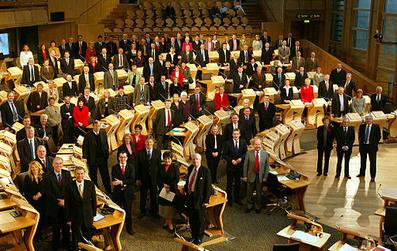

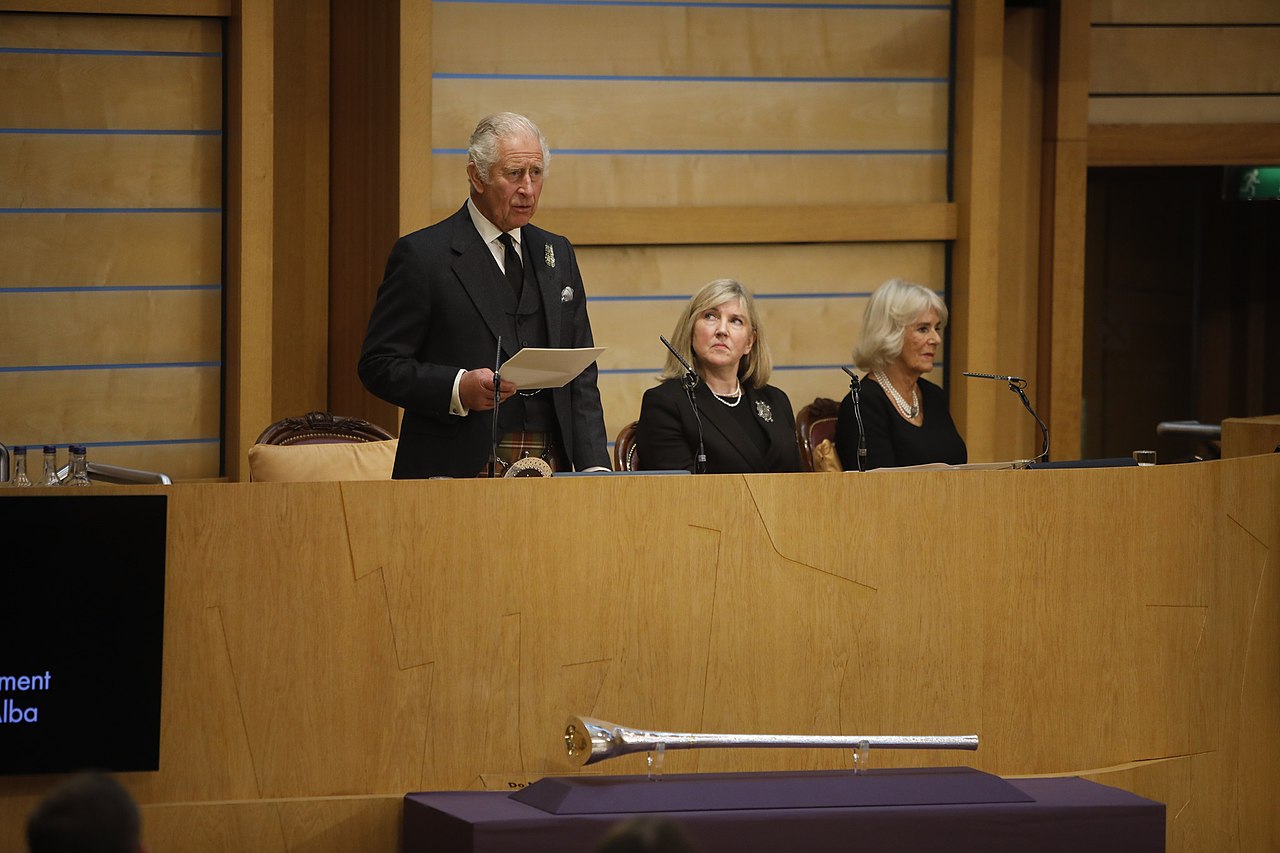


Historical background
The body draws a long line of institutional history from the earlier Parliament of Scotland: the medieval and early modern Parliament of Scotland (historical) that sat as the legislature of the Kingdom of Scotland. That earlier parliament ceased to exist in its independent form after the Acts of Union 1707, which united the Kingdom of Scotland and the Kingdom of England and merged their legislatures into the Parliament of Great Britain, meeting at Westminster in London. Centuries later, the re-establishment of a distinct Scottish legislature was realised through the devolution process in the late 1990s, reflecting renewed public and political support for a body located in Scotland to make decisions on many domestic matters.
Powers and responsibilities
The Scottish Parliament legislates on matters that are devolved to it; these include areas such as education, health, justice, transport, housing and social services. Certain topics remain reserved to the UK Parliament, including foreign policy, defence, immigration and UK-wide constitutional arrangements such as the offices and powers that define sovereignty. The allocation of responsibilities is set out in the Scotland Act and related legislation, and disagreements about whether a proposed law is within competence can be resolved through legal and political channels.
Composition and electoral system
The Scottish Parliament has 129 Members of the Scottish Parliament (MSPs), elected for fixed terms. The assembly uses the Additional Member System, a mixed electoral system combining first-past-the-post constituency representatives with regional list members to improve proportionality. Voters therefore have a constituency vote and a regional vote; the resulting composition typically includes MSPs from multiple parties as well as some independents. From among the MSPs the chamber chooses a Presiding Officer to chair proceedings and a First Minister who leads the devolved government.
Legislative process and scrutiny
Proposed laws are introduced as bills and pass through a sequence of debates, committee scrutiny and votes before receiving formal assent. Parliamentary committees play a central role in examining legislation, investigating issues of public policy, and scrutinising government actions and spending. The Parliament also maintains question times, debates and written question procedures to ensure ministers are accountable to elected members and to the public.
Committees and democratic practice
A network of subject committees, committees for public audit and standards, and crosscutting groups examine evidence, take submissions and produce reports that inform chamber debates and decisions. The institution operates on a principle of being democratically accountable to the people of Scotland through regular elections and accessible proceedings. Public petitions and consultations give citizens further routes to engage with parliamentary work.
Relationship with other legislatures
The Parliament functions in a constitutional environment where sovereignty remains reserved to the wider United Kingdom framework. It therefore works alongside the UK Parliament, formerly the Parliament of England and later the Parliament of Great Britain and the Parliament of the United Kingdom, while historical links also connect to institutions such as the Irish Parliament in the broader history of British and Irish governance. Practical inter-parliamentary arrangements and conventions help manage overlaps and interactions on matters of shared interest.
Building, location and public access
The Parliament meets in a contemporary complex at Holyrood close to the monarch's official Scottish residence, the Palace of Holyroodhouse. The site, architectural design and public facilities reflect a deliberate emphasis on transparency and accessibility. Members sit and debate in a single chamber, and public galleries, media facilities and online broadcasts enable citizens to follow proceedings; educational programmes and visitor services provide information about the Parliament's role and history in Scotland.
Identity, language and culture
The institution recognises Scotland's linguistic and cultural diversity; official references and some proceedings may include Scottish Gaelic and Scots, and the Parliament seeks to reflect the distinct legal, educational and social traditions of the country. While the assembly makes laws on a wide range of domestic matters, questions about the overall constitutional status of Scotland and the Parliament itself are matters reserved for discussion at the UK level or require constitutional change beyond the devolved settlement; such constitutional matters remain politically sensitive and subject to public debate.
Further notes
- The system of devolution is dynamic and periodically subject to legislative change and political negotiation.
- Reserved and devolved responsibilities are summarised in legislation and guidance published by the Parliament and the UK Government.
- For practical information about sessions, committees and current members consult official parliamentary publications and reputable news sources.
Readers seeking more background about the long history of Scottish legislatures may consult dedicated historical accounts of the earlier Parliament of Scotland, the political developments that led to union with the Kingdom of England, and the legal framework established by the Acts of Union 1707. For context on reserved powers and relations with agencies in London and Westminster, specialist commentaries and constitutional analyses provide detailed discussion.
The Parliament's remit continues to be a central feature of Scottish public life: it decides on public services such as health and education, while matters like foreign policy and immigration remain within the competence of the UK Government. Through its elected membership, which includes constituency and regional representatives, the Scottish Parliament carries out legislation, oversight and representation on behalf of the people it serves.
Related articles
Author
AlegsaOnline.com Scottish Parliament Leandro Alegsa
URL: https://en.alegsaonline.com/art/88145
Sources
- commons.wikimedia.org : Scottish Parliament
- studiolr.com : StudioLR