
Constitution: purpose, structure, types, history, and key features
An overview of constitutions: what they are, typical parts, written and unwritten forms, major historical examples, how they limit power, protect rights, and how they can be changed.
Overview
A constitution is the fundamental legal framework that sets out how public authority is organized and exercised in a political community. It explains the main institutions of government, the way officials are chosen and removed, the procedures for making and repealing laws, and the basic rights and duties of people within a polity. In general usage the term applies both to the constitution of a country and to the constitution of a state or other political unit; it is often treated as a higher form of law or supreme document that governs public authority, including the powers of the government and of its leaders.
Image gallery
10 Images





Typical parts and characteristics
Although constitutions vary widely, many contain similar elements to establish order and protect basic guarantees. Common content includes:
- Rules about the composition and powers of executive, legislative and judicial bodies, and the terms of office for public officials.
- Catalogues of fundamental rights and liberties that the state is expected to respect.
- Procedures for amending the constitution itself, often requiring special majorities or referendums.
- Mechanisms to limit government power and uphold the rule of law, including independent courts and oversight bodies.
Forms and distinctions
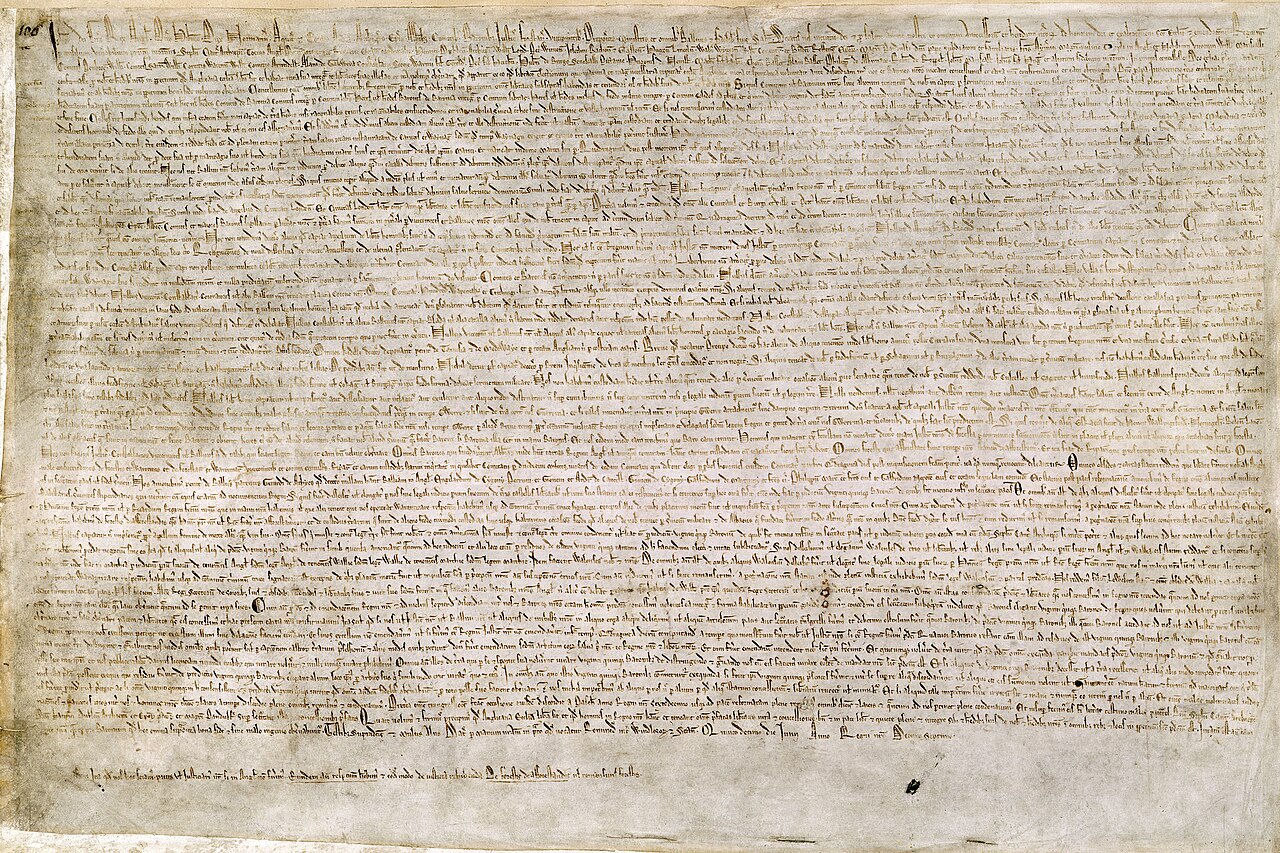
Constitutions can be classified several ways. A codified or "written" constitution collects rules in a single text; an uncodified or "unwritten" constitution relies on statutes, judicial decisions and conventions. For example, the United Kingdom's arrangements derive from historic statutes such as the UK tradition including the Magna Carta and the Bill of Rights, together with later Acts of Parliament and decisions by judges in systems of judicial precedent; some commentators therefore describe it as a de facto or "unwritten" constitution.
Historical development and examples
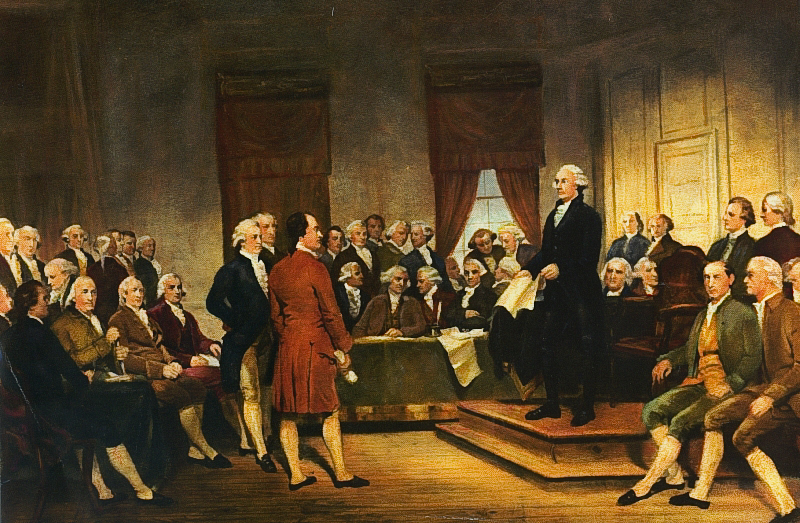
Written constitutions became prominent in the late 18th century. The United States Constitution of 1787 influenced many later charters and introduced ideas about separation of powers and judicial review. The U.S. replaced the earlier Articles of Confederation to create a stronger federal government. Other states chose long, detailed texts—India's 1950 constitution, for instance, is often cited as one of the most extensive modern constitutions—while some countries maintain shorter foundational documents or uncodified arrangements.
Functions, uses, and practical importance
Constitutions perform practical and symbolic functions. Practically, they provide predictable rules for governance, establish how laws are made and disputes are resolved, and protect individual and group rights. Symbolically, they express values such as popular sovereignty, constitutionalism and limits on arbitrary power. When governments respect constitutional constraints, the document helps maintain order and legitimacy; when leaders ignore or undermine it the result can be authoritarian rule or dictatorship, or the effective bending of rules that erodes democratic institutions.
Notable distinctions and considerations
Several important distinctions help in understanding constitutions: unitary versus federal arrangements (a Federation divides authority between central and regional governments); rigid versus flexible constitutions (how difficult it is to amend the text); and monist versus dualist systems for integrating international law. Constitutional design choices affect political stability, minority protection and the capacity of a state to adapt. Courts, political practice and civic culture also determine how a constitution works in everyday life.
Further reading and study
Those studying constitutions often examine landmark texts and historical documents to see how norms evolved. Useful touchstones include the Magna Carta, the English Bill of Rights, examples of modern written constitutions such as that of the United States, and extensive national charters like India's post‑colonial constitution. Comparative study highlights how different societies balance authority, rights and change.
For more detailed explorations, consult constitutional law textbooks, collections of primary texts and commentaries by legal scholars; primary sources and court decisions remain central to understanding how a constitution is interpreted and applied in practice.
country state law document government leaders office rights dictatorship Federation UK Magna Carta Bill of Rights Act 1689 Acts of Parliament judges judicial de facto United States Articles of Confederation
Questions and answers
Q: What is a constitution?
A: A constitution is a special type of law document that outlines how the government of a country or state should work. It includes details on how leaders are chosen and for how long, how laws are made and changed, who has the right to vote, and what rights citizens have.
Q: What is the Rule of Law?
A: The Rule of Law states that all people must obey the law and be subject to its authority, including those in positions of power such as government officials. This means that governments must abide by their own constitutions and not abuse their power.
Q: How does the UK's Constitution differ from other countries'?
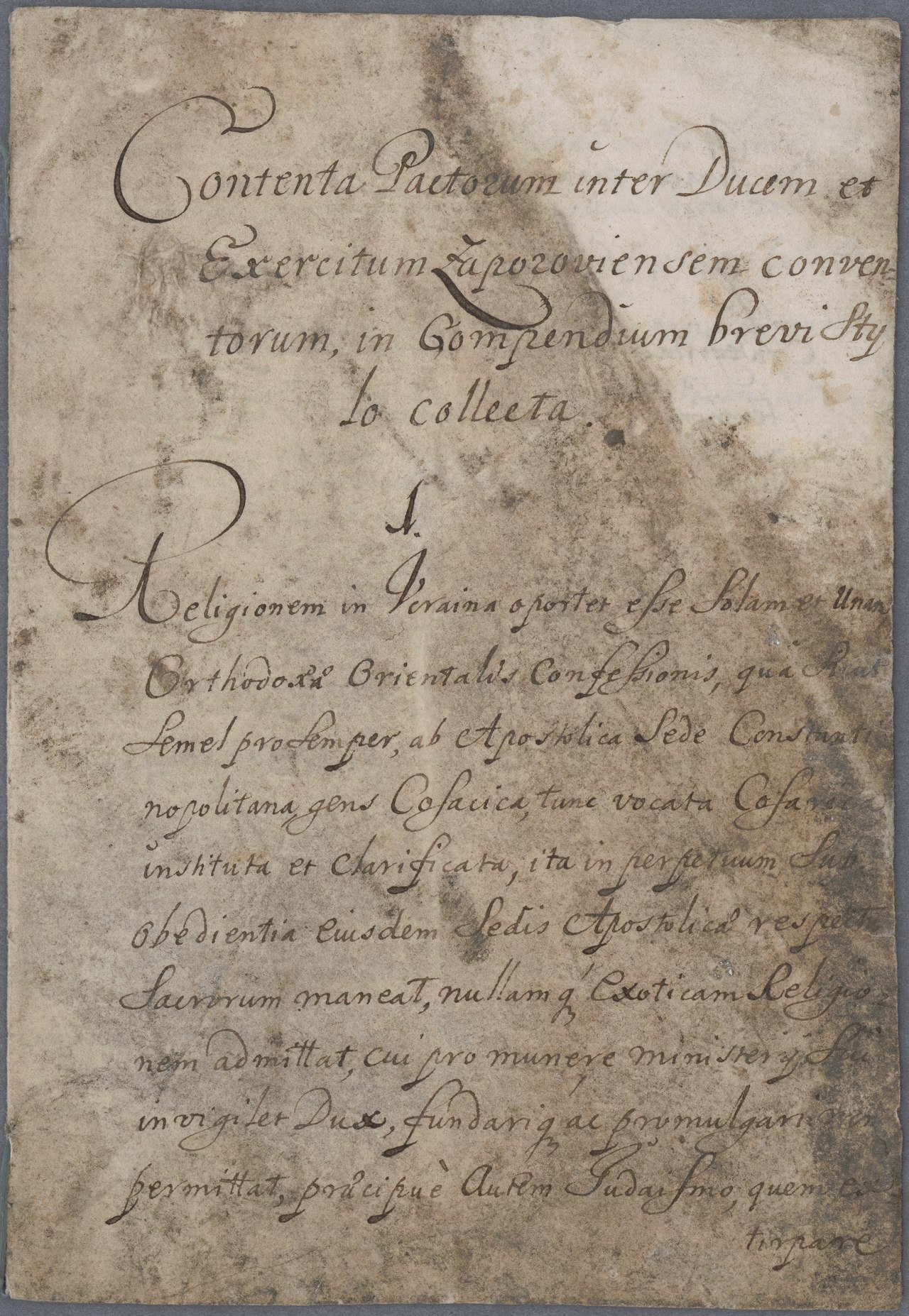
A: The UK's constitution is not written down in one single document like many other countries' are; instead it consists of written documents such as the Magna Carta and Bill of Rights Act 1689 along with common law decisions made by judges over hundreds of years. Therefore some people refer to it as an unwritten or de facto constitution.
Q: Who began writing constitutions?
A: The United States began this trend in 1787 when they wrote their own Constitution after gaining independence from Britain.
Q: How long is the Indian Constitution?
A: The Indian Constitution is currently the longest ever written constitution in the world; it contains 448 Articles, 12 Schedules, 5 appendices, and 98 amendments.
Related articles
Author
AlegsaOnline.com Constitution: purpose, structure, types, history, and key features Leandro Alegsa
URL: https://en.alegsaonline.com/art/22682