
Westminster: central London district and seat of government
Westminster is the historic and administrative heart of central London, home to the Palace of Westminster, Westminster Abbey, Whitehall and Downing Street, and a long-standing centre of British public life.
Overview
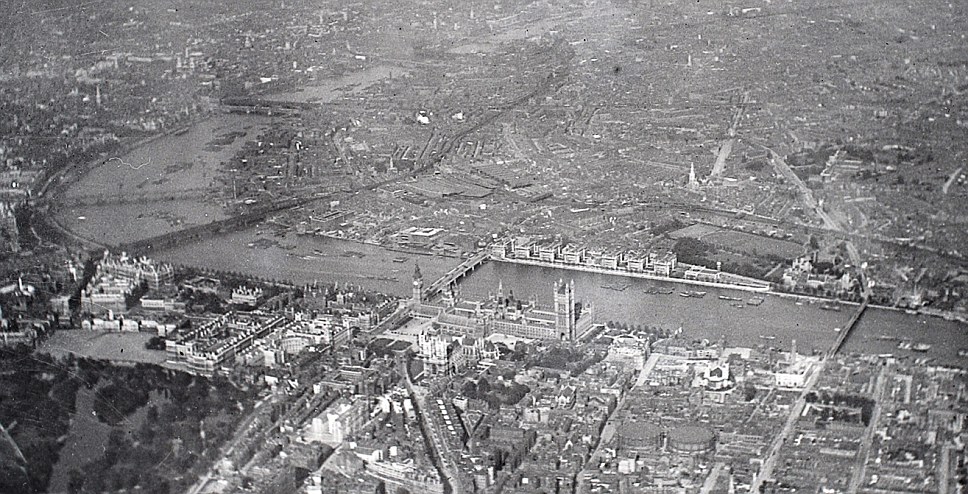
Westminster is the historic and administrative heart of the City of Westminster in London, located on the north bank of the River Thames. It contains some of the United Kingdom's most recognisable institutions and buildings, including the Palace of Westminster where Parliament meets, the medieval Westminster Abbey, the government offices along Whitehall, and the famous terrace of Downing Street. The area is commonly referred to simply as "Westminster" when discussing national government and politics and is the workplace and public address of the Prime Minister.
Image gallery
10 Images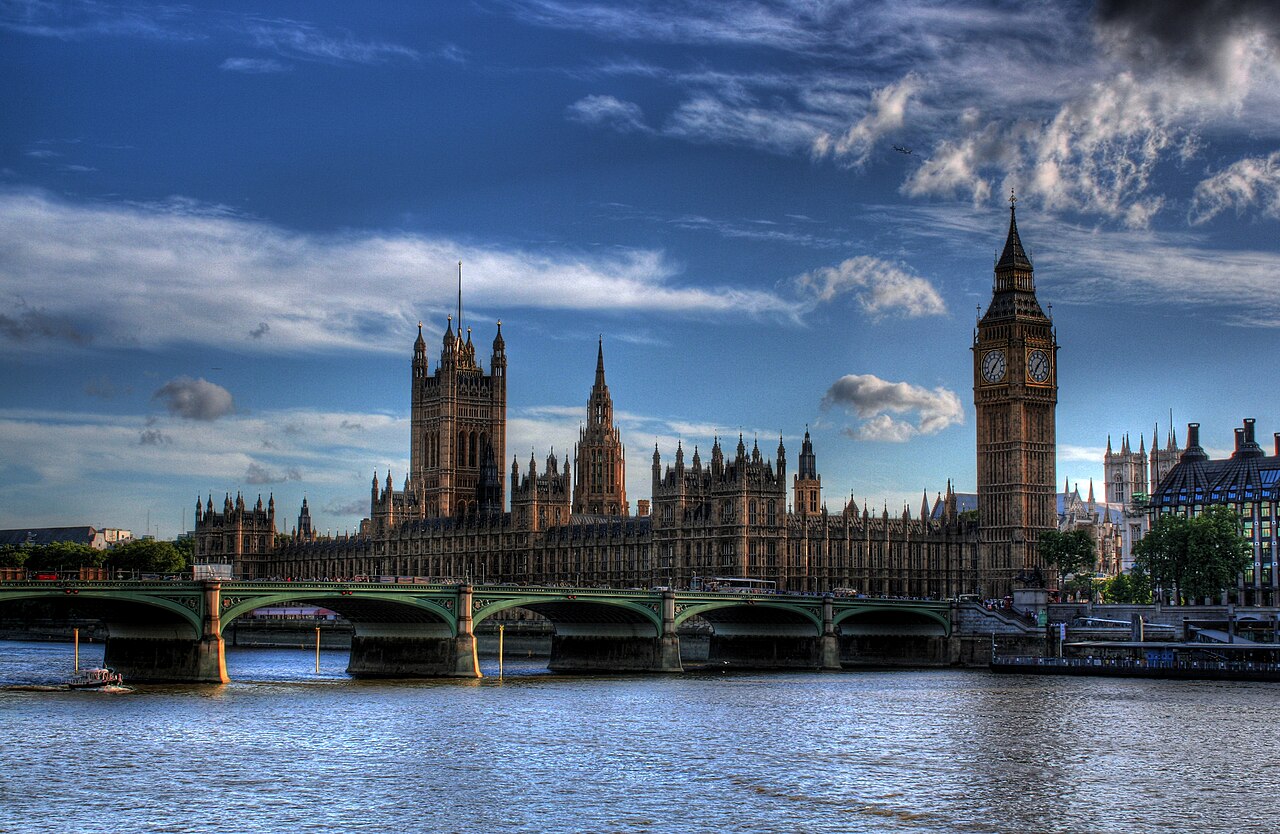



Principal landmarks
Key sites are concentrated in a compact area that is frequently visited together. Notable places include:
- Palace of Westminster (Houses of Parliament), a ceremonial and legislative complex beside the river.
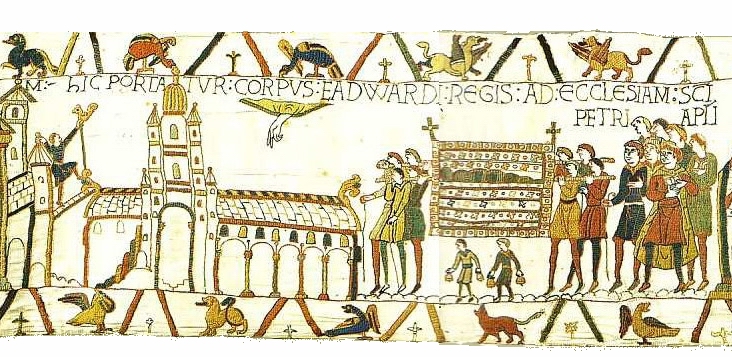
- Westminster Abbey, a medieval church associated with coronations, royal ceremonies and national commemorations.
- Whitehall, the street and area housing many central government departments and ministries.
- Downing Street, including No. 10, the residence and office most closely associated with the head of government.
- Other significant sites include ceremonial squares, historic churches and memorials that contribute to the area's civic role.
History and development
The place known as Westminster grew up in the Middle Ages around the abbey and a royal palace. Over centuries the palace developed into the centre of national governance while the abbey retained religious and ceremonial functions. Much of the present parliamentary complex dates from the 19th century, rebuilt in Gothic Revival style after earlier structures were destroyed or modified. The long continuity of royal, religious and governmental activity gives Westminster its distinct character.
Governance and symbolism
Westminster is both a working seat of government and a powerful symbol in public discourse. The name is often used metonymically to mean the national government or political establishment. Ceremonial events, state occasions and formal processions reflect the area's continued constitutional and symbolic importance to the United Kingdom.
Public life and events
The area hosts state ceremonies, parliamentary business, public demonstrations and official commemorations. Streets, squares and open spaces are used for processions and events that attract national attention, while security measures around sensitive sites are a persistent feature of everyday life in the district.
Conservation, tourism and access
Westminster attracts large numbers of visitors who come for guided tours, services at the abbey and views of historic architecture. Many buildings and environs are protected for their architectural and historic value, and conservation policies seek to balance preservation with the practical needs of a living government centre. The district is served by multiple public transport links and is readily accessible to residents and visitors, though high visitor numbers and security considerations affect access at times.
Further context
As the focal point for much of the nation's ceremonial life and parliamentary government, Westminster continues to evolve while retaining its central role in British public affairs. Its combination of living institutions, historic monuments and civic spaces makes it a distinct and internationally recognised part of London.
Related articles
Author
AlegsaOnline.com Westminster: central London district and seat of government Leandro Alegsa
URL: https://en.alegsaonline.com/art/107577