
Parliament of the United Kingdom
The sovereign legislature of the UK: its composition, powers, historical development, functions and contemporary role within a constitutional monarchy.
Overview
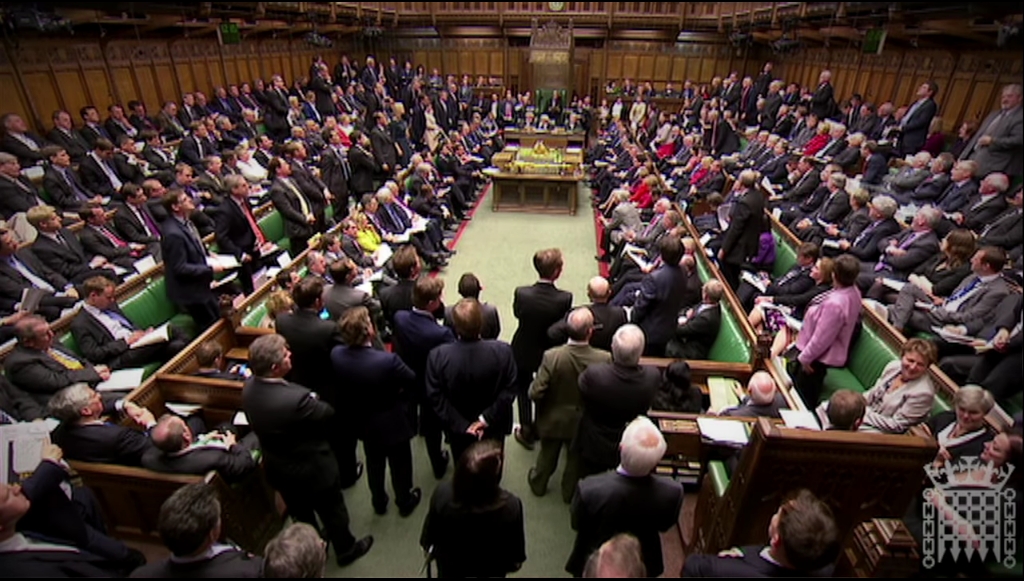
The Parliament of the United Kingdom is the country's supreme lawmaking institution. It operates within a constitutional monarchy in which the monarch is formally part of Parliament alongside the two Houses. The parliament sits at the heart of the political system of the United Kingdom, exercising authority over primary legislation, scrutinising government activity and authorising public spending. Its status as the ultimate legislative authority is often described by the doctrine of parliamentary sovereignty, meaning no other body can override its statutes.
Image gallery
10 Images


Composition and internal structure
Parliament is bicameral. The lower chamber, the House of Commons, is made up of Members of Parliament elected by the British people in general elections. The Commons is the principal locus of political power: it proposes and votes on most laws, controls taxation and must retain confidence in the government to sustain a prime minister. The upper chamber, the House of Lords, reviews and amends legislation and conducts detailed scrutiny. The Lords includes life peers, certain bishops and a limited number of hereditary peers; it can delay but not ultimately block most Commons legislation.
Formal roles and practical powers
In formal terms Parliament comprises three parts: the House of Commons, the House of Lords and the Crown in Parliament. Day-to-day work is done largely by MPs and peers: drafting statutes, examining secondary legislation and holding ministers to account through questions and committees. The monarch—currently King Charles III—gives Royal Assent to bills passed by both Houses, a constitutional formality in modern practice. Parliament also votes the public finances and can require the government to resign if it loses a confidence vote.
History and development
Parliament evolved over centuries from advisory councils. Early assemblies of nobles and churchmen, including groups of bishops and earls, advised medieval monarchs and set precedents for later representative bodies in the Middle Ages. Over time the English institution developed into a regular national assembly; during the early modern period political change accelerated. The separate legislatures of England and Scotland—respectively the Parliament of England and the Parliament of Scotland—were merged by the 1707 Act of Union into the Parliament of Great Britain. A further union with Ireland in 1801 replaced that body with the Parliament of the United Kingdom when the Irish Parliament ceased to sit independently.
Devolution, territories and modern significance
Since the late 20th century, some legislative powers have been devolved to bodies in Scotland, Wales and Northern Ireland, creating regional parliaments or assemblies for many domestic matters while leaving reserved powers to the UK Parliament. The sovereignty of Westminster remains a constitutional principle, but devolution has changed how lawmaking is shared across the islands. The Parliament also legislates for certain matters affecting overseas territories and defence, and it remains a central forum for debating national policy, international commitments and constitutional reform.
Functions, procedures and contemporary issues
- Primary functions: making statutes, authorising taxation and public expenditure, and scrutinising ministers through committees and questions.
- Key procedures: introduction of government and private members' bills, committee inquiry work, Prime Minister’s Questions, and the passage of budgets.
- Contemporary debates: reform of the House of Lords, the electoral system used for the Commons, and the balance between parliamentary control and executive power.
For readers seeking more detail on specific aspects—legislative procedure, membership, or constitutional status—see introductory and specialist sources via the official pages and scholarly commentaries linked here: parliament, House of Commons and House of Lords. The modern institution is the product of long historical change and remains central to public life and government in the United Kingdom.
Questions and answers
Q: What is the highest legislative body in the United Kingdom?
A: The Parliament of the United Kingdom of Great Britain and Northern Ireland is the highest legislative body in the United Kingdom and British overseas territories.
Q: Who is at the head of Parliament?
A: The monarch, King Charles III, is at the head of Parliament.
Q: How are members of parliament chosen?
A: Members of parliament in the lower house are chosen by British people through elections.
Q: When did development of Parliament start?
A: Development of Parliament started with councils of bishops and earls that advised kings and queens during the Middle Ages.
Q: When was the first Parliament of the United Kingdom established?
A: The first Parliament of the United Kingdom came into existence in 1801, after Irish Parliament joined with Parliamentary Great Britain.
Q: What was name used for British legislature between 1801-1927?
A: Between 1801 and 1927, British legislature's name was "Parliament of The United Kingdom Of Great Britain And Ireland".
Related articles
Author
AlegsaOnline.com Parliament of the United Kingdom Leandro Alegsa
URL: https://en.alegsaonline.com/art/74759
Sources
- parliament.the-stationery-office.co.uk : Davies M. 2003. Companion to the Standing Orders and guide to the proceedings of the House of Lords, 19th ed.
- en.wikisource.org : "Parliament." (1911). Encyclopædia Britannica, 11th ed. London: Cambridge University Press.