
Legislature: role, structure, history and variations
A legislature is an assembly empowered to make laws and oversee government. This article explains its functions, organisation, historical roots, common forms and differences across national and local systems.
A legislature is a deliberative body that makes, amends and repeals laws for a political community. The term derives from Latin roots and is often explained as referring to those who write or enact laws: Latin origins are commonly cited and the concept is closely tied to the making of laws. Legislatures operate at national and subnational levels and typically serve as a primary forum where public policy is debated and decided for a state or country.
Image gallery
10 Images


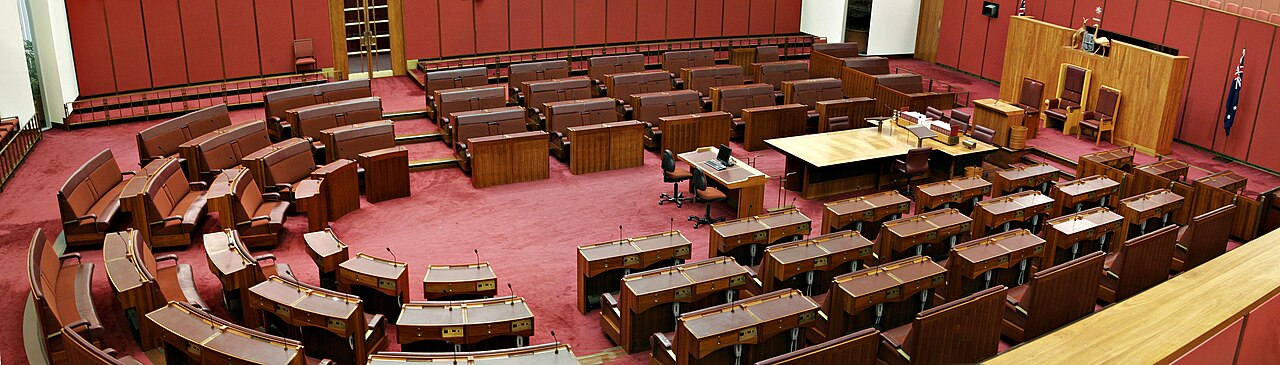


Composition and basic characteristics
Members of a legislature are usually either elected by voters or appointed to represent particular interests. The legal framework for a legislature—its powers, procedures and membership rules—is normally set out in a constitution or similar foundational law. Common features include: a presiding officer (often called a speaker), organised party groups, committees that examine details of proposed laws, and formal voting procedures.
Forms and terminology
Different countries use different names and structures for their lawmaking bodies. Typical names include Parliament, Congress and National Assembly. Legislatures may be unicameral (a single chamber) or bicameral (two chambers, often described as lower and upper houses). Subnational entities such as a district, city or region often have smaller legislative bodies commonly called councils, which make laws limited to their jurisdiction.
Functions and powers
Beyond passing statutes, legislatures usually perform several other key functions. These commonly include approving public budgets, scrutinising and holding the executive branch to account through questions and inquiries, ratifying or approving certain treaties and appointments in some systems, and representing citizens’ interests. In many democracies legislative committees do detailed examination of policy areas, providing expertise and a chance for amendments before full votes.
Origins and historical development
Legislative institutions have deep historical roots. Ancient assemblies, such as the citizen gatherings in classical Athens and deliberative bodies in Roman republican institutions, provided early models for collective lawmaking. Over centuries, the modern idea of representative legislatures evolved in different legal and cultural contexts, shaped by struggles for popular representation, the rule of law and separation of powers.
Systems, variations and notable distinctions
How a legislature relates to the executive varies by system of government. In parliamentary systems the executive is typically drawn from and accountable to the legislature, whereas in presidential systems the executive and legislature are separately elected and have distinct mandates. Other differences arise from electoral systems (proportional representation, majoritarian districts, mixed systems), which influence party composition and how representatives are chosen. Practical distinctions also include whether a legislature has strong oversight tools or limited powers, whether it sits full-time or part-time, and how transparent its proceedings are.
Importance and examples of use
Legislatures are central to modern governance because they provide a publicly accountable arena for making binding rules, distributing public resources and resolving policy disputes. Even at local level, municipal and regional councils create bylaws and set priorities for services. Whether called a Parliament, Congress or another name, the legislature remains a principal institution for collective decision-making in most political systems.
Questions and answers
Q: What does the word "legislature" mean?
A: The word "legislature" comes from the Latin language and means "those who write the laws."
Q: How are members of a legislature usually chosen?
A: Members of a legislature are usually either elected or appointed.
Q: What is a bicameral legislature?
A: A bicameral legislature is one that has two groups of members.
Q: What is a unicameral legislature?
A: A unicameral legislature is one that has only one group of members.
Q: Are there legislatures for small areas like cities or districts?
A: Yes, these legislatures are often called councils and they make smaller laws for their areas.
Q: Is there an official name for legislatures in many countries?
A: In many countries, the legislature is called a Parliament, Congress, or National Assembly.
Q: Does the constitution tell how a legislature should work? A:Yes, the constitution of that state or country usually tells how a legislature is supposed to work.
Related articles
Author
AlegsaOnline.com Legislature: role, structure, history and variations Leandro Alegsa
URL: https://en.alegsaonline.com/art/57005