
Parliament of Scotland (Estates of Parliament)
The unicameral legislature of the independent Kingdom of Scotland from the medieval era until the 1707 Union. Known as the Estates, it developed from royal councils and represented clergy, nobility and burghs.
Overview
The Parliament of Scotland, formally called the Estates of Parliament, was the national legislature of the independent Kingdom of Scotland. It is first recorded in the early thirteenth century, with a known meeting in 1235, and continued to sit in various forms until the Acts of Union in 1707. The body is often referred to as the Three Estates or simply the Scots Parliament.
Image gallery
8 Images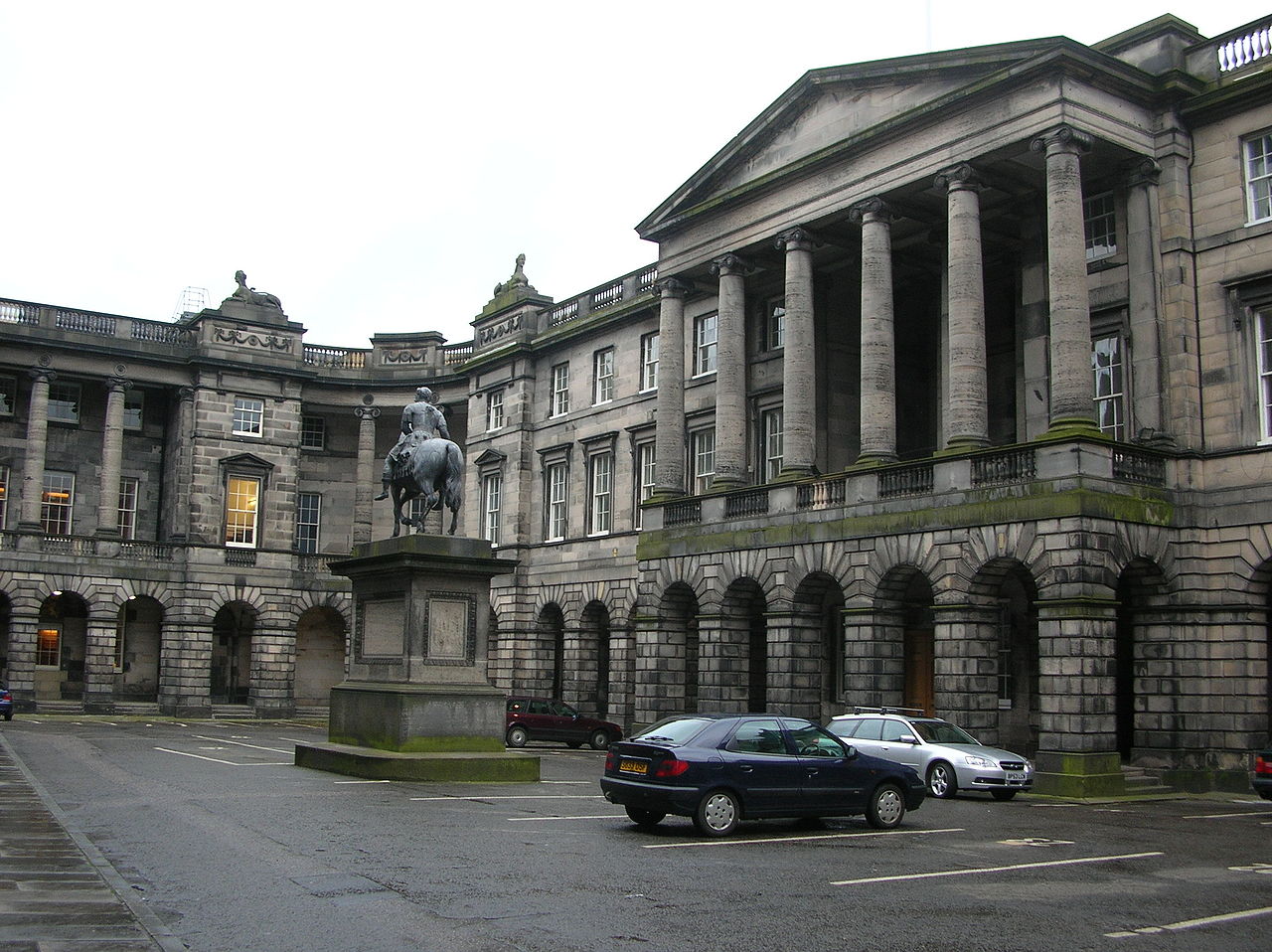


Composition and structure
Unlike the later English model of separate houses, the medieval and early modern Scottish parliament was unicameral: members sat together as estates. Over time its membership evolved to reflect the kingdom's power holders.
- Clergy — senior churchmen originally formed a distinct estate, though their political weight declined after the Reformation.
- Nobility — magnates and lords who held temporal authority and provided military and feudal support to the crown.
- Burgh commissioners and shire commissioners — representatives of royal burghs and the shires (landed gentry) who spoke for towns and counties.
Powers and activity
The Estates exercised legislation, consented to taxation, and handled petitions, justice and public policy alongside the monarch. It operated through formal sessions, committees and rolling negotiations between crown and estates. Meetings took place at royal residences and urban centers; over centuries the body developed recognized procedures for summons, voting and recording acts.
History and development
Emerging from the king's council in the high Middle Ages, the parliament became a distinct national institution that reflected Scotland's political and religious changes. Its role shifted notably after the sixteenth-century Reformation and during the seventeenth-century struggles between crown and estates. Debates over sovereignty, finance and union dominated its later decades.
Dissolution and legacy
The Parliament of Scotland ceased to exist as a sovereign legislature when the separate parliaments of Scotland and England were united by the Acts of Union in 1707 to form the Parliament of Great Britain. Its legal and cultural legacy influenced later constitutional developments; the idea of a distinct Scottish legislature was revived centuries later in a different form with the modern devolved Scottish Parliament. For further historical sources and records see general references to the institution as the Estates of Parliament, the Kingdom of Scotland and surveys of the Scots Parliament. Contemporary overviews and archival guides are available through specialist repositories and summaries such as parliamentary histories and collections of acts and proceedings (primary records, comparative studies). For origin stories and earliest sessions see narrative accounts that reference the meeting recorded in 1235 (origins) and later institutional change (union discussions).
Notable fact: while often called "the auld Scots Parliament," its procedures and membership adapted considerably across centuries rather than remaining static.
Related articles
Author
AlegsaOnline.com Parliament of Scotland (Estates of Parliament) Leandro Alegsa
URL: https://en.alegsaonline.com/art/74752