
Titan (Greek mythology)
Titans were a generation of powerful deities in Greek myth, born of Gaia and Ouranos, who ruled before the Olympian gods. Their conflict with Zeus and the Olympians reshaped the cosmos and inspired later cultural meanings.
Overview
In ancient Greek tradition the Titans are a group of early divine beings associated with primordial power and the structure of the cosmos. The Greek name Τιτάνες is often rendered in English as "Titans" or "Titans," and the term can be used broadly for several ancient offspring of the earth and sky. Classical authors use the label both for a specific group of twelve elder gods and for a larger class of elder deities who precede the Olympian gods. Τιτάνες are most fully described in the poetic tradition and are central to accounts of the succession of divine rulers in Greek mythology.
Image gallery
10 Images




Origins and principal members
The canonical Titans are generally given as the children of the personified Earth and Sky, Gaia and Ouranos. According to classical genealogies, the principal twelve often listed are:
- Oceanus
- Coeus
- Crius
- Hyperion
- Iapetus
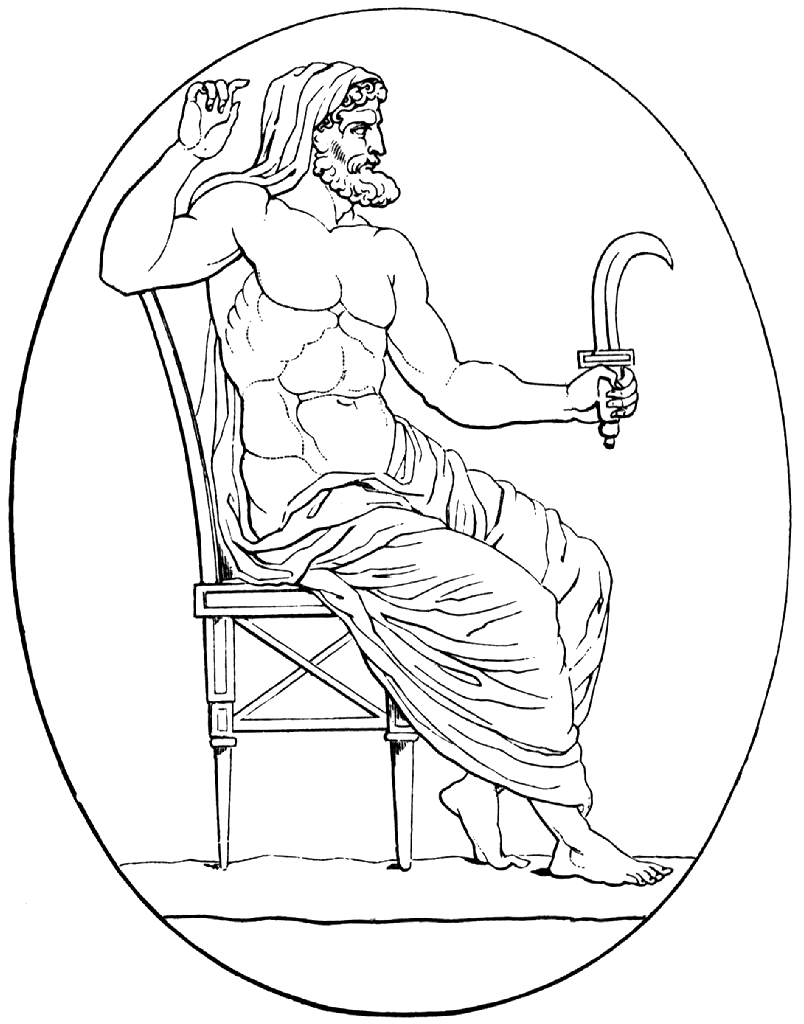
- Cronus (Kronos)
- Theia
- Rhea
- Themis
- Mnemosyne
- Phoebe
- Tethys
These figures embody large-scale natural or social powers—oceans, memory, justice, time—and they fathered or mothered many later gods, giants and mortal lineages. Their parents are Gaia (Earth) and Ouranos (Sky) in the traditional accounts.
The Titanomachy and the cosmic succession
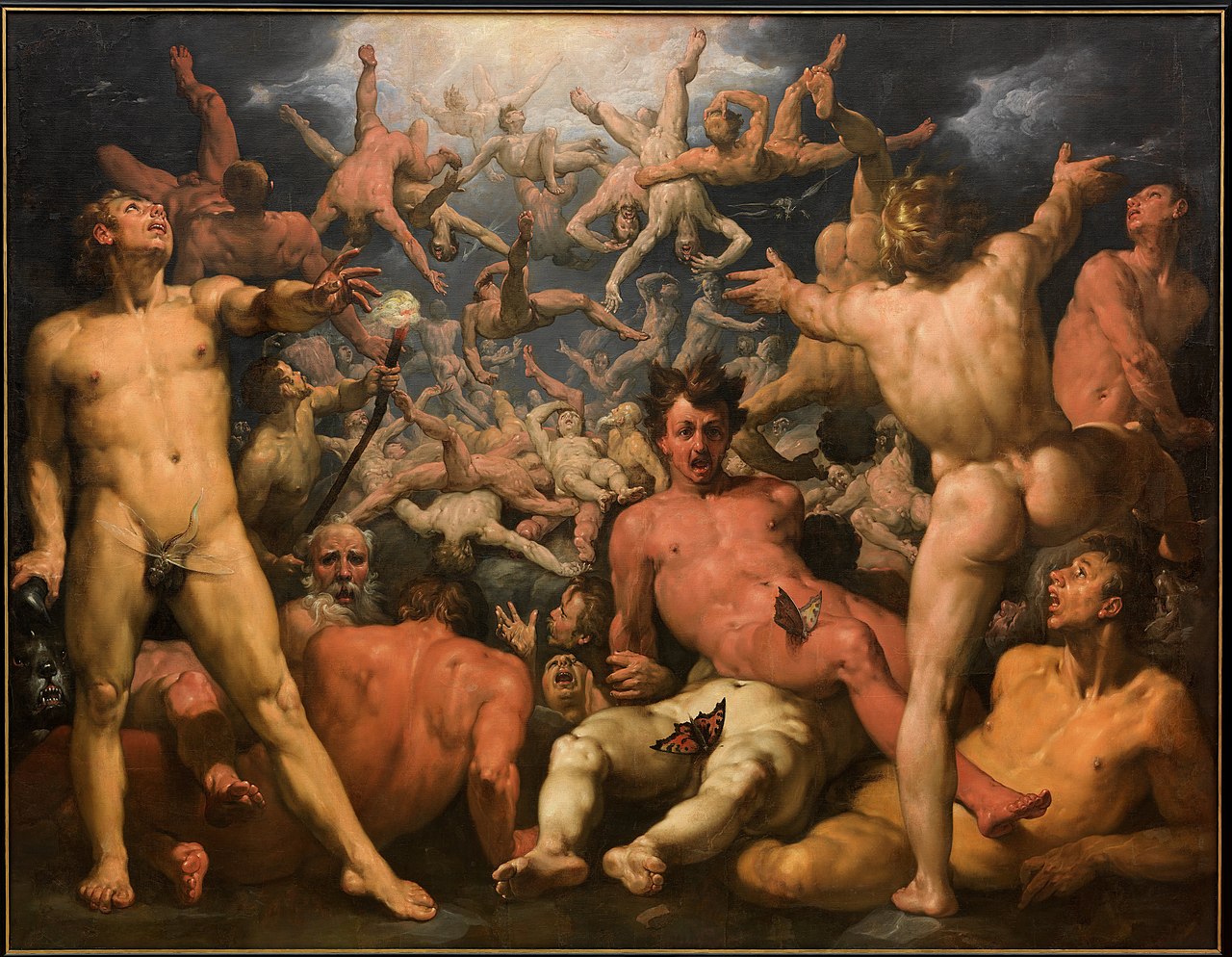
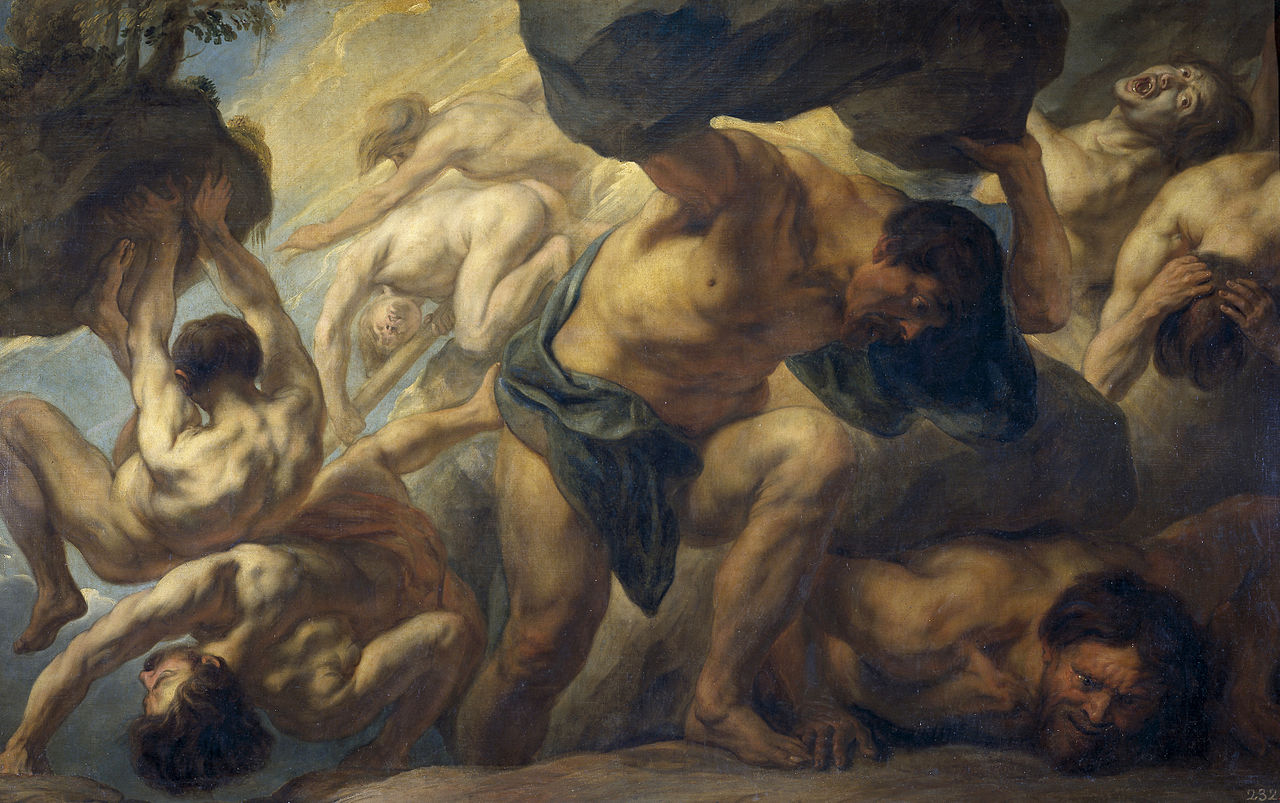
The most famous episode involving the Titans is the Titanomachy, a prolonged struggle between the older generation and the younger Olympian deities led by Zeus. In mythic narratives Zeus and his siblings rebel against Cronus and the other ruling Titans, overthrow them, and take control of the cosmos. Many sources report that defeated Titans were confined in the deep prison of Tartarus, while a few—either through neutrality or special circumstance—were treated differently; for example, certain Titans like Oceanus are not always said to have taken part in the rebellion. This sequence explains a divine change of rule rather than literal history, and it appears in poetic works and later retellings.
Roles, punishments, and notable figures
Individual Titans acquire distinctive fates in myth: Cronus is dethroned by his son Zeus; Prometheus, a descendant of the Titans, is famed for giving fire to humans and suffers a unique punishment; Atlas is compelled to hold up the heavens as a consequence of his role. Such episodes emphasize themes of generational conflict, lawful order, and the costs of challenging the new divine regime.
Legacy and cultural significance
Beyond ancient texts, the image of the Titans has resonated through art, literature and modern language. "Titan" has come to mean a person or thing of enormous strength, influence or size. Classical sources such as Hesiod's Theogony remain primary references for the Titans' genealogy and deeds, while subsequent dramatists, philosophers and artists reinterpreted the figures to explore authority, rebellion and the origins of the world. For further general information see Olympians and related mythic cycles in primary sources and scholarship.
Distinctions and scholarly notes
Scholars distinguish the elder Titan generation from later divine groups and from other pre-Olympian beings such as the primordial deities and various chthonic creatures. The term "Titan" is flexible in ancient usage: sometimes narrowly applied to the twelve elders, sometimes more widely used. For introductory references consult standard mythographic treatments and translations of early Greek poets, or explore summaries at reputable resources on Ouranos, Gaia and the underworld realm of Tartarus.
Related articles
Author
AlegsaOnline.com Titan (Greek mythology) Leandro Alegsa
URL: https://en.alegsaonline.com/art/100109