
Saturnalia: Roman festival of Saturn, customs and cultural legacy
Saturnalia was an ancient Roman mid‑December festival honoring Saturn, marked by religious rites, public banquets, gift‑giving, role reversals, permitted gambling and festive decorations with a lasting cultural legacy.
Overview
Saturnalia was one of the most popular and distinctive public festivals of ancient Rome, traditionally beginning on 17 December of the Julian calendar and later extended through 23 December. It combined formal religious observance at the Temple of Saturn in the Roman Forum with widespread popular rejoicing: public banquets, private feasts, the exchange of gifts, decorations and an atmosphere of licence that temporarily relaxed ordinary social rules.
Image gallery
10 Images





Customs and typical practices
The festival opened with a sacrifice and offerings at the Temple of Saturn, after which the civic calendar and many aspects of daily life paused. Schools and some courts were commonly closed, and business slowed as Romans took part in communal meals and games. Lighting lamps late into the night, decorating houses with greenery, and wearing less formal clothing were customary. Small presents called sigillaria — often figurines, tokens or candles — were exchanged between friends and family.
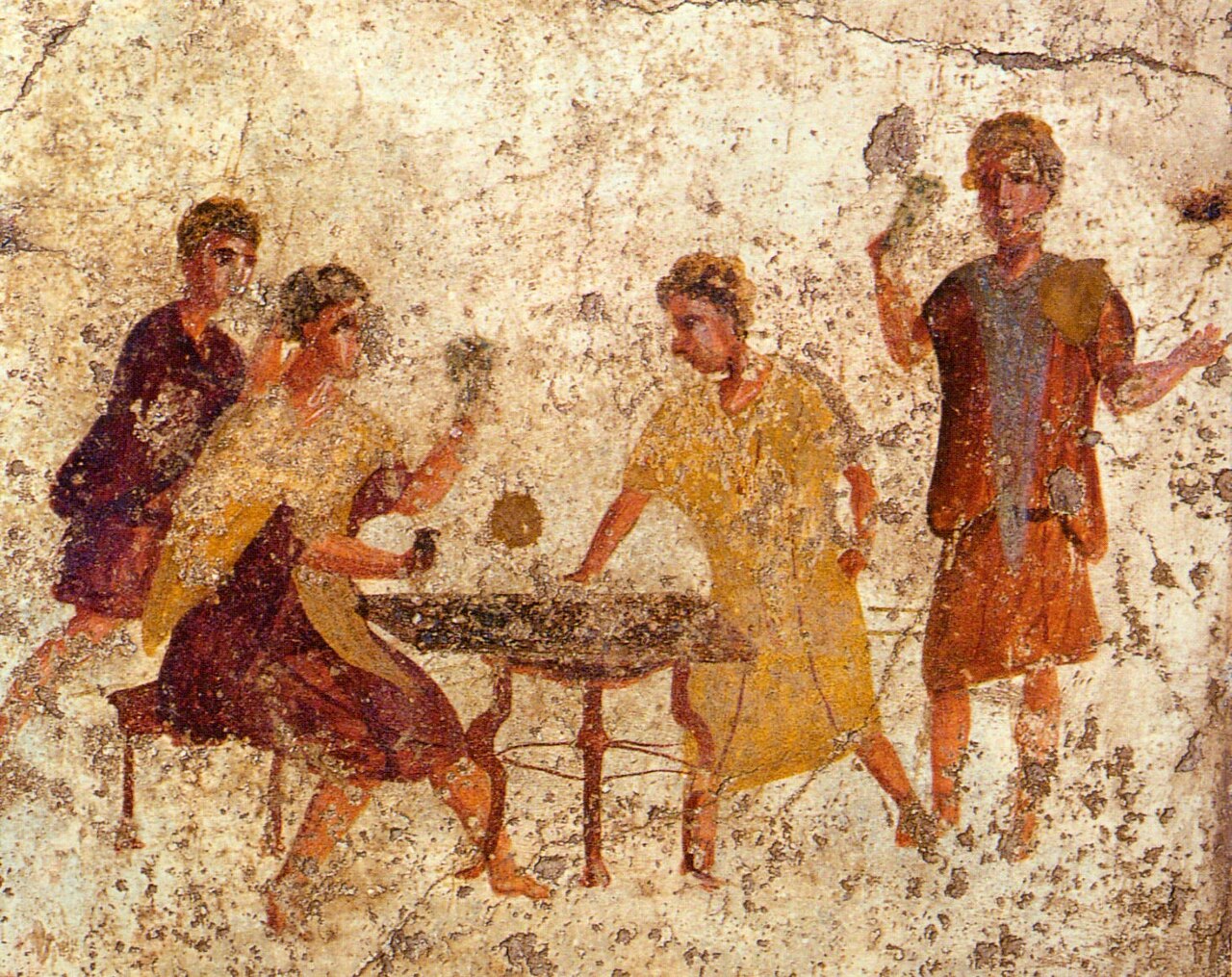
Gambling, normally restricted or penalized, was openly tolerated or encouraged during Saturnalia. A popular element was the election of a mock king, the saturnalicius princeps, who presided over games, issued playful orders and presided over a festive reversal of roles. Masters sometimes waited on their slaves, and familiar restraints on speech and behaviour were relaxed, producing a carnival‑like atmosphere in which jokes, satire and parody were more freely expressed.
Religious context and the Temple of Saturn
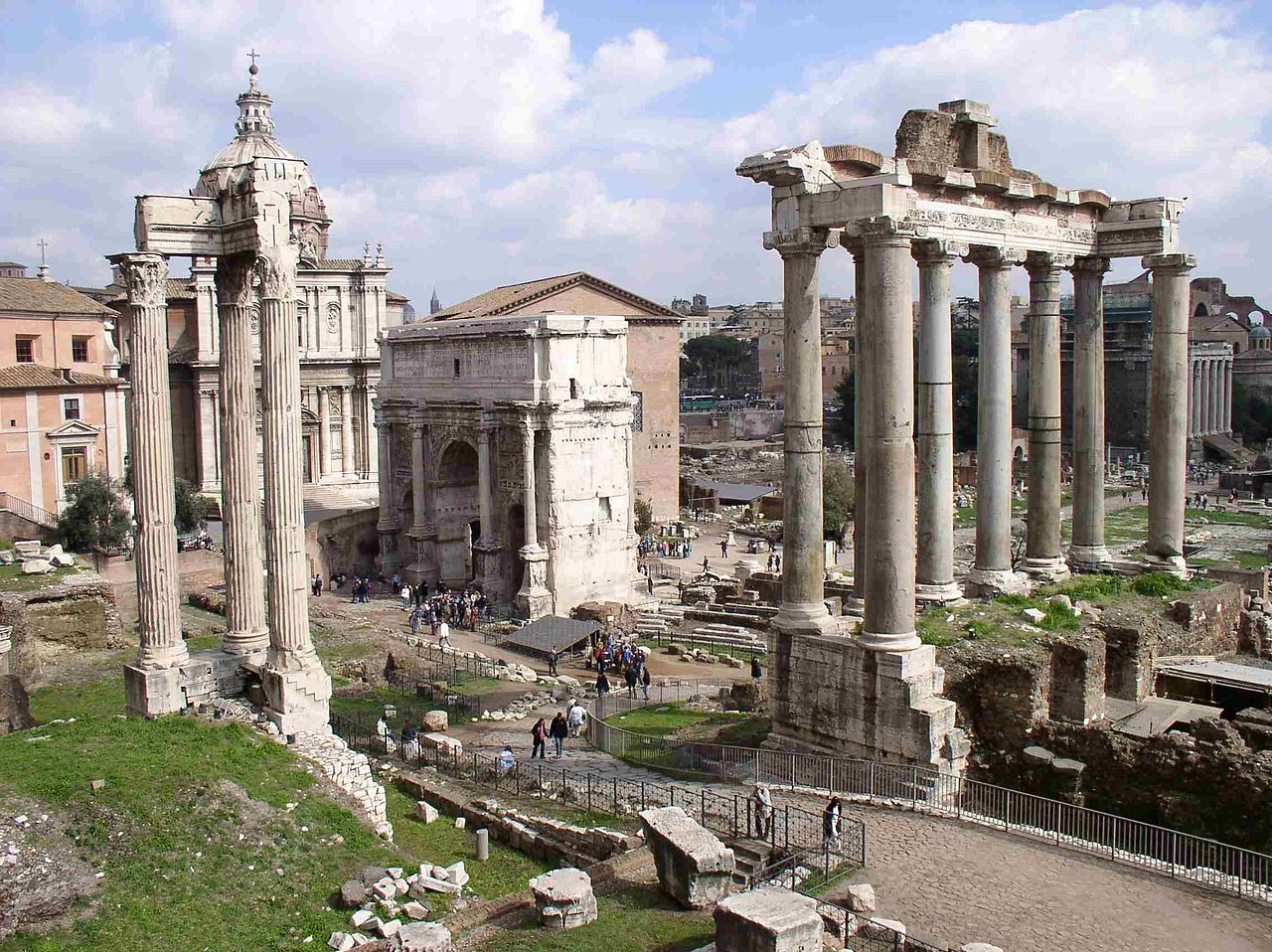
Saturn was an agricultural deity associated with sowing and plenty and, in Roman myth, with a mythic Golden Age. The festival preserved this link to seasonal renewal: its rites combined offerings for the god with communal sharing of food and wine. The Temple of Saturn in the Forum served as a focal point for public ceremonial acts and for the storage and display of civic wealth tied to the god's cult.
Origins, development and literary witnesses
Scholars see Saturnalia as evolving from rural, agrarian rites into a major urban celebration as Rome grew. The date fixed in the Julian calendar reflects Roman attempts to regularize religious observance. Ancient writers and compilers describe Saturnalia in considerable detail: moralists and philosophers sometimes criticized its excesses, while poets and convivial writers celebrated its delights. Works such as the essays and descriptions preserved by later authors provide the principal literary record of the festival.
Reception, influence and legacy
As Christianity became dominant in the late antique world, many seasonal customs associated with Saturnalia — feasting, gift‑giving, decorations and a period of communal mirth — were absorbed, transformed or displaced within new winter observances. Historians view Saturnalia as a useful window onto Roman social life, revealing how ritual, social inversion and public leisure intersected in an ancient urban society.
Further reading and sources
- Primary ancient accounts and inscriptions
- Archaeological and calendar studies of Roman festivals
- Studies on Saturn and agricultural rites
- Comparative festivals in the ancient Mediterranean
- Calendar reforms and the Julian date of Saturnalia
- The Temple of Saturn and the Roman Forum
- Rituals of role reversal and social order
- Reception of Saturnalia in later European traditions
Notable facts: Contemporary and later Roman authors remark on both the religious opening of the festival and the more popular, often subversive entertainments that followed. Saturnalia remains a key example of how ritual and leisure intersected in Roman public life.
Questions and answers
Q: Who was Saturnalia celebrated for?
A: Saturnalia was celebrated for the god Saturn.
Q: When was Saturnalia celebrated in the Julian calendar?
A: Saturnalia was celebrated on 17 December of the Julian calendar.
Q: Did Saturnalia last longer than 17 December?
A: Yes, Saturnalia later lasted longer, through to 23 December.
Q: How was Saturnalia celebrated?
A: Saturnalia was celebrated with a sacrifice at the Temple of Saturn, a public banquet, private gift-giving, continual partying, and a carnival atmosphere.
Q: Was gambling allowed during Saturnalia?
A: Yes, gambling was permitted during Saturnalia.
Q: Did masters serve their slaves during Saturnalia?
A: Yes, during Saturnalia, masters served their slaves.
Q: Was there a custom of electing a "King of the Saturnalia"?
A: Yes, a common custom during Saturnalia was the election of a "King of the Saturnalia".
Related articles
Author
AlegsaOnline.com Saturnalia: Roman festival of Saturn, customs and cultural legacy Leandro Alegsa
URL: https://en.alegsaonline.com/art/87501