
Semele — mortal mother of Dionysus in Greek mythology
Semele, daughter of Cadmus and Harmonia, is a mortal princess of Greek myth who becomes the mother of the god Dionysus. Her story explores themes of divine encounter, mortality and apotheosis.
Overview
Semele is a figure from ancient Greek mythology, known primarily as the mother of Dionysus and as a daughter of Cadmus and Harmonia. In most accounts she begins as a mortal Theban princess whose liaison with Zeus ends in both tragedy and transformation. Her tale appears in literary sources such as the Homeric Hymn to Dionysus and later Roman and Greek poetry.
Image gallery
5 Images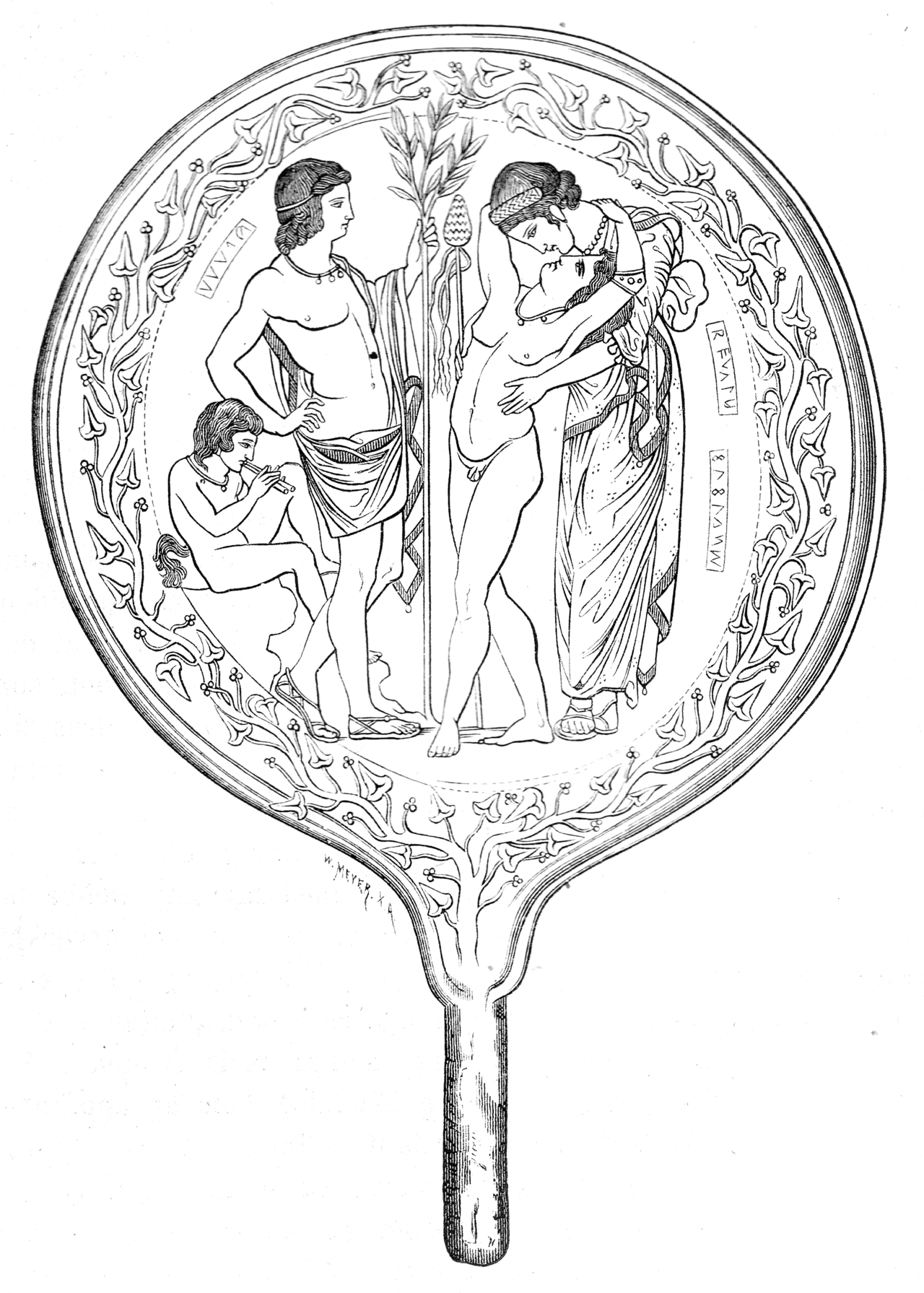


Myth
The best-known version relates that Zeus fell in love with Semele and secretly visited her. Hera, jealous of Zeus's affair, tricked Semele into demanding that Zeus reveal himself in his full divine form. Bound by his promise, Zeus appeared as a god in thunder and lightning; the sight and power of his true presence consumed the mortal Semele. Before she died, she was carrying Zeus's child. Zeus rescued the unborn infant and later sewed the child into his thigh until the pregnancy came to term; that child became the god Dionysus.
Some traditions add that when Dionysus grew up he descended to the Underworld to bring Semele back, and Zeus later granted her immortality. In that form she is sometimes called Thyone or seen as part of Dionysian divine company, a figure who crosses the boundary between life and death.
Family and portrayals
Semele's immediate family links her to Thebes and to the heroic generation that includes her siblings. Commonly cited relatives include:
- Father: Cadmus
- Mother: Harmonia
- Siblings: figures such as Ino, Agave, Autonoë and Polydorus (named variably in sources)
Artists and writers have long used Semele’s story to explore the peril of mortals encountering the divine and the theme of metamorphosis. She appears in classical drama, Hellenistic poetry and Roman works such as Ovid’s Metamorphoses, and her fate is a recurring subject in visual arts from antiquity through the Renaissance.
Legacy and interpretation
Semele’s narrative is often read symbolically: as a caution about human inability to withstand divine power, as a maternal precursor to a god of ecstasy and renewal, and as an origin myth explaining Dionysian rites that blend death and rebirth. Her elevation after death to a divine status (apotheosis) connects to wider ancient ideas about mortals becoming immortal through divine favor or association.
Further reading
General summaries and translations can be found in modern reference works and classical anthologies. For introductions and source collections see: Semele overview, primary texts, mythological studies, artistic depictions and interpretive essays.
Related articles
Author
AlegsaOnline.com Semele — mortal mother of Dionysus in Greek mythology Leandro Alegsa
URL: https://en.alegsaonline.com/art/88728